Why Breeding Rights on a Well Gloved Birman Cost Most
It’s easy to get swept up in the dream of bringing home a stunning Birman, especially if you have aspirations of joining the dedicated community of ethical breeders. But when you start looking at the price tags for kittens with "breeding rights," particularly those described as "well-gloved," it can be a real moment of sticker shock. You might find yourself wondering why such a significant premium is attached to these particular kittens. This guide aims to pull back the curtain and explain the multifaceted reasons behind the higher cost of breeding rights for a Birman with exquisite, show-quality markings.
The Pinnacle of Birman Beauty: Understanding "Well-Gloved" Markings
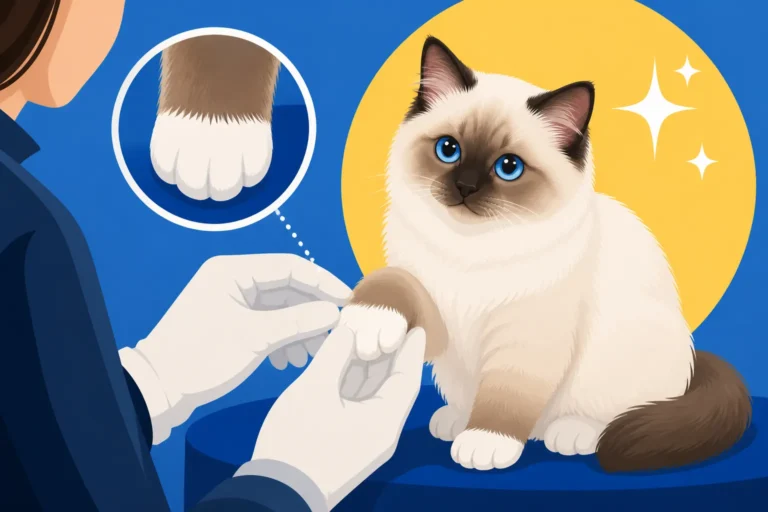
The Birman cat is renowned for its distinctive appearance, and nothing defines it quite like those pristine white "gloves" on its paws. These markings aren't just pretty; they are the breed's signature feature, steeped in legend and a cornerstone of the breed standard. When we talk about a "well-gloved" Birman, we're referring to a cat whose white paws meet these very strict, often elusive, aesthetic criteria.
What the Birman Standard Demands for Gloves and Laces
Imagine a painter meticulously detailing a masterpiece; that's the level of precision the Birman standard applies to its gloves. For the front paws, the white must be perfectly symmetrical, ending in a clean, straight line just above the "wrist" or paw pad. There should be no dark hairs peeking through the white, nor should the white creep too far up the leg. For the back paws, the "gloves" extend further up the hock, forming what are called "laces" – perfect points or V-shapes that finish high on the back of the leg, again, in perfect symmetry with each other and ideally ending in clean, matching lines.
This isn't just about "white feet." It's about a specific pattern, length, and symmetry that is notoriously difficult to achieve consistently. A Birman that truly embodies this ideal is a rare gem. Judges at cat shows scrutinize these markings with an eagle eye, and even the slightest imbalance or stray dark hair can lead to points deducted. This makes a kitten that perfectly meets these criteria incredibly valuable. If you want to dive deeper into these specifics, you can check out What Judges Look For on a Birman's Paws First.
The Elusive Genetics of Perfect Gloving
You might think that if both parents are champion, well-gloved Birmans, all their kittens would inherit perfect markings. Oh, how we wish it were that simple! The genetics behind the Birman's gloving are fascinating but incredibly complex. While every Birman carries two copies of the gloving gene (it’s fixed in the breed, meaning they all have it), the expression of that gene – how perfectly the white manifests – is influenced by a whole host of other modifier genes that breeders don't fully understand or control.
It's often a "roll of the dice" with each litter. You can have two exquisitely marked parents produce kittens with uneven gloves, "gauntlets" (white running too high up the leg), or "laces" that are too short or mismatched. This unpredictability means that a kitten born with truly ideal gloves is less common than you might think. This rarity directly impacts its value, especially for breeding purposes. It’s why you’ll often hear breeders lamenting the challenge of consistently producing those perfect markings, and why a cat that does achieve them is so prized. To learn more about this genetic puzzle, read Why Perfect Birman Gloves Are Almost Impossible to Breed and The Gloving Gene Every Birman Carries Two Copies Of.
Why Show Quality Markings Matter Immensely for Breeders
For an aspiring breeder, a Birman with show-quality markings isn't just a beautiful pet; it's a foundation cat, a key player in their cattery's future. Such a cat is a living embodiment of the breed standard, capable of competing successfully in conformation shows, earning titles, and ultimately, contributing to the advancement and preservation of the Birman breed.
Winning in the show ring isn't just about ribbons; it's about validating a breeder's program, showcasing the quality of their lines, and attracting future kitten buyers and potential breeding partners. A Birman with exemplary gloves is a testament to years of careful selection, strategic matings, and a deep understanding of the breed. This proven quality is what drives up the demand and, consequently, the price for breeding rights. It ensures that the breed's defining characteristics are passed down to future generations in the most desirable form possible.
Beyond the Paws: The Comprehensive Health and Genetic Investment
While those glorious white gloves are undeniably eye-catching, a truly valuable Birman with breeding rights is far more than just a pretty face. A responsible breeder invests an immense amount of time, money, and expertise into ensuring the health and genetic integrity of their breeding cats. This extensive, ongoing commitment is a huge component of why breeding rights cost what they do.
Extensive Health Screening
Before a Birman is even considered for a breeding program, it undergoes a battery of comprehensive health screenings to minimize the risk of passing on genetic diseases. This isn't a one-and-done process; many tests are ongoing.
- Hypertrophic Cardiomyopathy (HCM): This is a heart disease prevalent in many purebred cats, including Birmans. There's no DNA test for HCM in Birmans, so regular echocardiograms (heart scans) performed by a board-certified veterinary cardiologist are essential. These can be expensive and need to be repeated annually for breeding cats to monitor for any changes. Imagine the dedication required to schedule and pay for these specialist appointments year after year, just to ensure the heart health of your breeding cats. Understanding How HCM Shows Up in a Birman is crucial for any breeder.
- Polycystic Kidney Disease (PKD1): While not as common in Birmans as in some other breeds, PKD can still be a concern due to the historical outcrossing with Persians. Thankfully, there's a reliable DNA test for PKD1. A clear result is non-negotiable for a breeding cat.
- Feline Hypotrichosis with Short Life Expectancy (FOXN1): This is a specific genetic condition affecting Birmans, leading to a kitten being born bald and lacking a functioning thymus gland, making them highly susceptible to infections. A DNA test can identify carriers, allowing breeders to make informed mating decisions to avoid producing affected kittens. This kind of proactive testing protects the entire line. For more on this, check out FOXN1 Is the Birman's Own Genetic Disease.
The cumulative cost of these tests – the vet visits, the specialist fees, the lab work – for each breeding cat over its lifetime is substantial. This commitment to health means future kitten owners, whether pet or breeder, are getting a kitten from lines that have been conscientiously screened, significantly reducing the risk of devastating genetic illnesses. This ongoing financial outlay for health and prevention is built into the value of a breeding-quality Birman.
Pedigree and Genetic Diversity
While the Birman breed has a relatively narrow founder base due to its near extinction after WWII, responsible breeders still strive to maintain and improve genetic diversity within their lines. A well-constructed pedigree is a testament to this effort. When you acquire a Birman with breeding rights, you're not just getting a cat; you're gaining access to its lineage, a carefully curated family tree that reveals generations of health, temperament, and adherence to the breed standard. What a Narrow Founder Base Left in the Birman explains why this is so important.
A breeder will spend countless hours researching pedigrees, often across continents, to find the perfect match for their cats, looking for complementary traits and avoiding excessive inbreeding. This research, travel, and sometimes importing of new bloodlines all contribute to the value of a Birman destined for breeding. It ensures that the genetic pool remains as robust as possible, safeguarding the future of the breed.
The Breeder's Reputation and Lifelong Support
The price of a well-gloved Birman with breeding rights also reflects the breeder's invaluable expertise, reputation, and ongoing commitment to the breed and to you. A reputable breeder isn't just selling a kitten; they're offering mentorship, guidance, and a wealth of knowledge accumulated over years, sometimes decades, of experience.
This support can be absolutely crucial for a new breeder. They can advise on everything from nutrition to genetics, navigating show circuits, and finding suitable mates for your cat. This kind of experienced guidance can save you from making costly mistakes and greatly increase your chances of success. They also stand behind the health and temperament of their cats, offering guarantees and being there for advice long after the kitten has left their home. This implicit, lifelong support network is an intangible but incredibly valuable part of the overall cost. You'll find many breeders provide extensive paperwork, as detailed in Which Certificates a Birman Breeder Hands Over With the Kitten.
The Business of Breeding: What "Breeding Rights" Truly Entail
When you purchase a Birman kitten, it typically comes with a contract. This contract will either designate the kitten as "pet-only" or include "breeding rights." These aren't just fancy terms; they carry significant legal, ethical, and financial implications that distinguish them dramatically.
The Legal and Ethical Framework
"Breeding rights" means that the breeder is granting you permission to use that specific cat in a breeding program and register its offspring with the relevant cat registries. This permission doesn't come lightly. Responsible breeders are incredibly selective about who they grant breeding rights to, often requiring an application process, interviews, and even home visits. They want to ensure that their carefully bred lines will be continued by individuals who share their ethical commitment to the breed.
The contract for breeding rights will often include clauses about minimum health testing standards you must meet, age restrictions for breeding, and even criteria for selecting mates. It's a legal document that protects the integrity of the breed and the reputation of the cattery. This is a far cry from a "pet-only" contract, which typically stipulates that the cat must be spayed or neutered by a certain age and not used for breeding at all. The difference in these contractual obligations inherently drives up the cost, reflecting the added responsibility and potential impact on the breed's future. For insights into pet-only sales, consider Why a Mismarked Birman Is Sold on a Neuter Contract.
The Cost-Benefit for a Breeder
Consider the sheer financial and time investment a dedicated Birman breeder makes. It's not just the purchase price of their own foundation cats, which also had breeding rights attached. It includes:
- Cattery Maintenance: High-quality housing, specialized equipment, climate control, and sanitation.
- Nutrition: Premium food to ensure optimal health and coat condition for all their cats, not just the breeding ones.
- Veterinary Care: Routine check-ups, vaccinations, parasite control, emergency care, and all those specialized health screenings mentioned earlier.
- Show Fees & Travel: Entry fees for shows, travel expenses, grooming supplies, and time spent at events to gain titles and network.
- Time & Labor: The countless hours spent cleaning, feeding, socializing, grooming, managing breeding cycles, assisting with births, hand-rearing kittens if necessary, and providing crucial early care.
- Registrations & Pedigrees: Maintaining accurate records, registering litters, and obtaining official pedigrees.
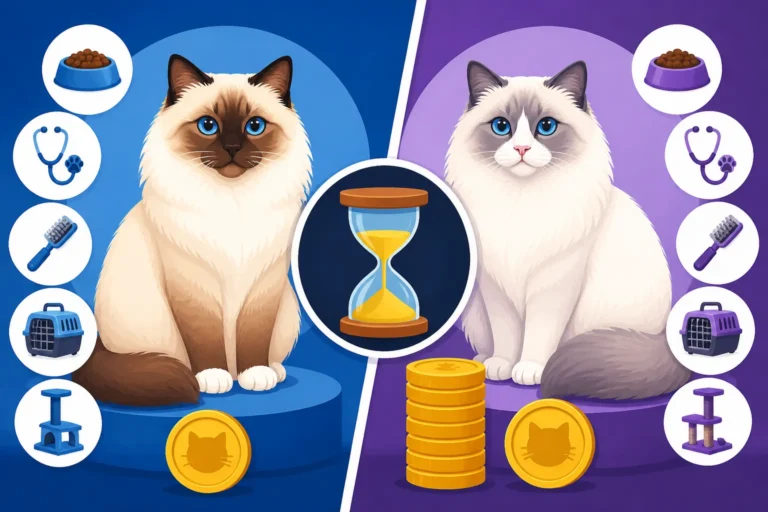
The price for breeding rights helps to recoup some of these enormous ongoing costs. It’s not just about profit; it's about sustaining a passionate hobby or small business that is dedicated to producing healthy, well-socialized, and breed-standard compliant Birmans. Without these funds, the rigorous standards and care would be unsustainable. When you purchase breeding rights, you're contributing to the perpetuation of these high standards.
Pet-Only vs. Breeding Rights
It's important to understand that most Birman kittens are sold as "pet-only." This means they're destined for a loving home where they'll be cherished companions, but they won't be used for breeding. These kittens typically cost less because the breeder isn't factoring in the future reproductive value or the ongoing support associated with a breeding program.
A pet-only kitten might be physically perfect but simply not "show quality" by the incredibly stringent Birman standard, or perhaps it has a minor cosmetic fault that wouldn't impact its life as a pet but would prevent it from winning in the show ring. How a Breeder Judges a Birman Kitten's Gloves illustrates this point. A kitten with breeding rights, especially one that is "well-gloved," represents the peak of a breeder's efforts and is expected to contribute positively to the breed's future. This distinction is paramount and is the primary driver of the price difference.
Breaking Down the Price Tag: The True Value of a Foundation Birman
When you see the price for a well-gloved Birman with breeding rights, it’s not just an arbitrary figure. It's a reflection of the culmination of all the factors we've discussed, representing an investment that goes far beyond the immediate aesthetics of the kitten.
Factors Influencing the Final Cost
Let's look at a clear breakdown of why that price tag is higher for a breeding-quality Birman:
| Factor | Pet-Only Kitten | Breeding Rights Kitten (Well-Gloved) |
|---|---|---|
| Glove Quality | May have uneven gloves, gauntlets, or other minor faults. | Near-perfect symmetry, ideal length, clean lines. |
| Show Potential | Little to none, purely for companionship. | High potential to win titles and championships. |
| Health Testing | Parents are health-tested; kitten receives standard vet care. | Parents are extensively health-tested, ongoing scans, and often a more comprehensive kitten vet check. |
| Genetic Contribution | None, spay/neuter required. | Expected to contribute healthy, typey offspring to the breed. |
| Breeder Support | General advice and support for pet ownership. | Extensive, ongoing mentorship and guidance for breeding. |
| Pedigree Value | Lineage provides confidence in health/temperament. | Lineage is a foundation for future breeding decisions. |
| Legal Contract | Requires spay/neuter. | Grants permission to breed, often with stipulations. |
| Rarity | Generally available in more numbers. | Exceptionally rare due to difficulty in breeding consistently. |
| Investment by Breeder | Cost of raising litter, basic vet care. | Enormous, ongoing investment in cattery, health, shows, time, and genetic planning. |
This table clearly illustrates that the additional cost for breeding rights on a well-gloved Birman isn't a markup for vanity. It's an acknowledgment of the rarity of such a perfectly marked cat, combined with the immense financial and personal investment the breeder has made to produce a healthy, show-quality animal capable of upholding and advancing the breed standard.
Understanding the Long-Term Investment
For an aspiring breeder, viewing the purchase of a well-gloved Birman with breeding rights as a long-term investment is key. While the initial outlay is higher, it can save you significant time, money, and heartache in the long run.
- Reduced Risk: Starting with a genetically healthy cat from well-screened lines reduces the likelihood of encountering expensive and heartbreaking genetic health issues in your kittens. Pet insurance from providers like Healthy Paws can help with unexpected vet bills, but starting with a solid foundation is invaluable.
- Show Success: A cat that can win in the show ring establishes your cattery's reputation more quickly and attractively than one that struggles to meet the standard.
- Quality Offspring: A cat that perfectly embodies the breed standard is more likely to produce offspring that also meet those high standards, making your future litters more desirable.
- Mentorship: The ongoing support from a reputable breeder is an investment in your own education and success as a new breeder.
Think of it as buying a high-quality tool for a specialized craft. You wouldn't skimp on the best tools if you were a master artisan, and breeding Birmans is certainly an art form. The initial investment in a top-tier, well-gloved Birman with breeding rights is the foundation upon which a successful, ethical, and respected breeding program is built. Don't forget the everyday costs of owning a Birman, which are also part of this long-term picture, and you can learn more about What Keeping a Birman Costs Every Year.
In the end, the cost of breeding rights on a well-gloved Birman reflects the deep passion, unwavering dedication, and significant financial commitment required to produce a cat that not only exemplifies the breathtaking beauty of the breed but also upholds its health and genetic integrity. For those truly committed to preserving and enhancing the Birman legacy, it’s an investment in excellence.
Disclaimer
This article is for general informational purposes only and does not constitute professional advice. Laws, prices and regulations vary by location and change over time. Consult a qualified professional for guidance on your specific situation.