What a Birman Costs Against a Ragdoll Over a Lifetime
It's incredibly exciting to consider bringing a beautiful, long-haired companion into your home, and often the choice comes down to two absolute darlings of the feline world: the Birman and the Ragdoll. You might think their luxurious coats and affectionate natures mean their care and costs would be almost identical, but that's a misconception many new owners stumble upon. The reality is, while both are wonderful, there are distinct differences in the financial commitment over their lifetimes. This comprehensive guide will meticulously break down the various expenses associated with owning a Birman versus a Ragdoll, from the initial kitten price to the ongoing daily care and senior veterinary needs, helping you budget wisely and choose the perfect fit for your family.
Initial Acquisition: The Kitten Price Tag
When you first start looking at these gorgeous breeds, one of the most immediate cost differences you'll encounter is the initial purchase price of a kitten. While both Birmans and Ragdolls are pedigree cats from reputable breeders, specific breed traits, demand, and genetic testing protocols can subtly shift where their prices land. It's not just about the fluff; it's about the lineage, the careful breeding, and the health assurances behind that adorable little face.
The Birman's Unique Gloving and Its Impact on Price
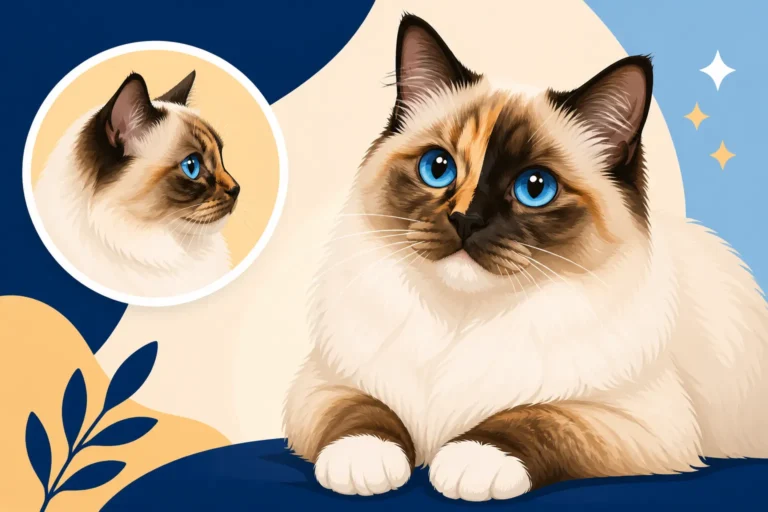
Birmans are famous for their distinct white "gloves" on their paws, a defining feature that breeders strive to perfect according to strict show standards. This unique genetic trait means that a Birman kitten's price can fluctuate quite a bit based on the symmetry and correctness of these markings. A kitten with perfectly matched white gloves and "laces" (the white markings running up the back of the hind legs) will almost always command a higher price, especially if it's considered show quality.
On the other hand, kittens with "mismarks"—perhaps uneven gloves, an extra splash of white on a leg, or a glove that extends too high—are often available at a lower "pet price." These kittens are just as healthy and loving, but they don't meet the stringent aesthetic criteria for the show ring. If you're simply looking for a beloved family member and aren't concerned with showing, a mismarked Birman can be a fantastic way to bring this breed home for a more modest initial outlay. You can read more about this in Why a Mismarked Birman Is a Pet Price Cat and Why a Birman With Four Matching Gloves Costs the Most. It truly comes down to those adorable feet!
Ragdoll Color and Pattern Variations
Ragdolls also have a pointed coat pattern, but their white markings (if present) are not called "gloves" and adhere to different breed standards. Ragdolls come in a variety of patterns like colorpoint, mitted, bicolor, and van, and several colors such as seal, blue, chocolate, lilac, red, and cream. While specific colors or patterns might be more fashionable at certain times, generally, the price difference among Ragdoll patterns isn't as dramatically influenced by minor "mismarks" as it is with a Birman's gloves.
A well-bred Ragdoll kitten, regardless of its specific pattern, tends to have a more consistent price range within a breeder's program. The rarity of a certain color might sometimes influence the price, but it's typically less about subtle variations in white markings and more about the overall quality and lineage of the cat. Understanding How a Birman Differs From a Ragdoll on Sight can help you appreciate these nuanced differences in their appearance and, by extension, their pricing structure.
Breeder Reputations and Health Testing
For both Birmans and Ragdolls, the breeder you choose plays a huge role in the initial cost. Reputable breeders invest significantly in the health and welfare of their breeding cats, which translates into the kitten's price. This includes extensive genetic health testing, proper nutrition, early socialization, and ensuring the kittens receive all necessary vaccinations and vet checks before going to their new homes. For instance, both breeds are susceptible to certain genetic conditions.
A responsible Birman breeder will screen for issues like hypertrophic cardiomyopathy (HCM) and polycystic kidney disease (PKD), even though PKD is less common now due to diligent testing. Similarly, Ragdoll breeders will screen for HCM, which is prevalent in the breed, and other genetic markers. These health screenings aren't cheap, but they are absolutely critical for giving your kitten the best start in life and potentially saving you much larger veterinary bills down the line. Always prioritize a breeder who provides clear documentation of these tests, even if it means a higher upfront cost. It's part of what determines What a Birman Costs From Kitten to Sixteen.
Annual Care Costs: Food, Grooming, and Litter
Once you bring your new feline friend home, the ongoing annual costs begin. Both Birmans and Ragdolls are large, long-haired cats, so you might expect similar expenses across the board. However, subtle differences in their coat types, activity levels, and overall size can lead to variations in your yearly budget.
Dietary Needs and Food Expenses
Both Birmans and Ragdolls are robust, medium-to-large cats that require a high-quality diet rich in protein to maintain their magnificent coats and muscular bodies. As with any cat, feeding a balanced diet is crucial for their long-term health, and premium cat foods, whether wet or dry, can represent a significant portion of your annual expenses. Because these breeds can live The Twelve to Sixteen Years a Birman Usually Gets, consistent quality nutrition is a long-term investment.
Some owners might opt for specialized diets or prescription foods later in life if health issues arise, such as kidney support diets, which can be more expensive. While their overall dietary needs are quite similar, a slightly larger Ragdoll (they often edge out Birmans in size) might consume a touch more food, leading to incrementally higher food bills over many years. Brands like Chewy offer a wide variety of high-quality foods that cater to different budgets and specific nutritional needs for these breeds. Remember, a healthy diet is foundational to preventing many common ailments.
Grooming Differences: Birman's Single Coat vs. Ragdoll's Fluffy Double
This is where you might see one of the more surprising differences in ongoing costs. Despite their similarly luxurious appearances, Birmans and Ragdolls have distinct coat types that affect grooming time and expense. Birmans possess a unique single coat—meaning they lack a dense undercoat. This makes their fur incredibly soft and silky, and, perhaps counterintuitively, less prone to matting than many other long-haired breeds. As a result, Birmans typically require moderate grooming, usually two to three times a week, to keep their coats pristine. For more on this, check out No Undercoat Is What Makes a Birman Easy to Groom. You might spend a bit on a good comb and brush, but professional grooming appointments are rarely necessary.
Ragdolls, on the other hand, have a semi-longhaired double coat. While their fur is also soft, the presence of an undercoat means they can be more prone to tangles and mats if not regularly groomed. A Ragdoll often requires daily or every-other-day brushing to prevent matting, especially in areas like their "britches" and under their armpits. While many owners do their own grooming, some might opt for occasional professional grooming sessions to handle stubborn mats or simply to keep their cat looking its best, which adds to the cost. How a Birman's Coat Differs From a Ragdoll's details these differences further.
Litter Box Logistics and Related Costs
Both large breeds naturally require larger litter boxes to comfortably accommodate their size, especially as they grow into adulthood. A generous-sized box helps ensure they use it consistently and reduces the chances of accidents outside the box. Beyond the initial purchase of a large litter box, the ongoing cost of litter itself needs to be considered.
For Birmans, with their pristine white gloves, many owners opt for low-dust or non-clumping litters that are less likely to stain their delicate paw fur. While many excellent choices exist, some specialized litters might come at a slightly higher price point. Ragdolls, with their dense coats, can also track litter more easily, making low-tracking or pelleted options appealing. Ultimately, the cost here depends on your preference for litter type, but given their size and long fur, both breeds will go through a substantial amount of litter over a year, so bulk purchases or subscription services can be a smart way to manage this expense.
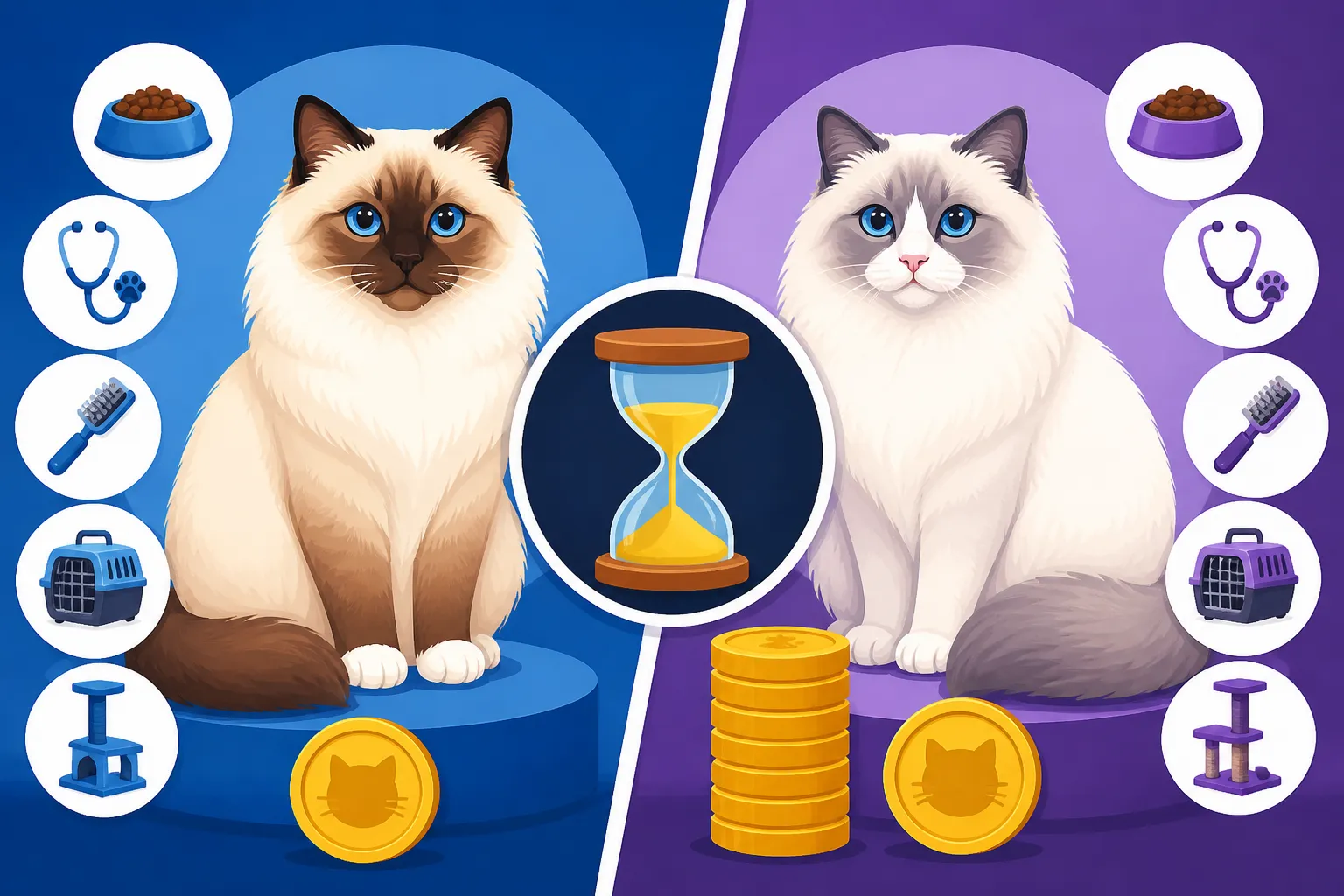
| Category | Birman (Typical Lifetime) | Ragdoll (Typical Lifetime) | Notes |
|---|---|---|---|
| Initial Purchase | Moderate to High | Moderate to High | Birman price highly dependent on glove markings; Ragdoll more consistent within pattern. Both require breeder health testing. |
| Food (Annual) | Moderate | Moderate to High | Both need high-quality protein; Ragdolls may eat slightly more due to larger average size. |
| Grooming (Annual) | Low | Moderate | Birman's single coat mats less, minimal professional grooming needed. Ragdoll's double coat needs more frequent brushing, potential for pro-grooming. |
| Litter (Annual) | Moderate | Moderate | Both need large boxes and good quality litter. Birman owners may prefer specific non-staining types for white paws. |
| Routine Vet Care | Moderate | Moderate | Similar annual check-ups, vaccinations, dental. |
| Genetic Screening | Moderate | Moderate to High | HCM in both. Birman also for PKD, FOXN1. Ragdoll for HCM, MPS VI. Breeder costs upfront, but crucial for peace of mind. |
| Pet Insurance | Recommended | Highly Recommended | Essential for both to mitigate costs of unexpected illness, especially for HCM. Premiums can vary. |
| Senior Care | Moderate to High | Moderate to High | Increased vet visits, specialized diets, medications for age-related conditions in both breeds. |
Veterinary Care and Insurance: Preventative to Emergency
The health of your cat is paramount, and veterinary costs represent a significant, yet necessary, portion of lifetime ownership. Both Birmans and Ragdolls are generally healthy breeds with long lifespans, but they do have breed-specific health considerations that impact vet expenses.
Genetic Health Concerns and Screening Costs
Both Birmans and Ragdolls are beautiful, long-lived companions, but like many purebred cats, they can be predisposed to certain genetic conditions. Hypertrophic Cardiomyopathy (HCM) is a concern for both breeds. This heart condition can lead to thickened heart walls and, if undetected, can cause heart failure. For a Birman, regular echo screenings are crucial because HCM in a Birman Has No DNA Test, Only an Echo. This means ongoing monitoring by a veterinary cardiologist is often recommended for breeding cats and even pet cats in some lines, adding to annual costs.
Birmans also have a history with Polycystic Kidney Disease (PKD), though diligent breeders have largely eliminated it through genetic testing. Still, it's wise to ensure your breeder tests for it, as Why a Birman Breeder Still Tests for PKD remains a valid question. Another serious, though rare, condition for Birmans is Feline Hypotrichosis with Thymic Aplasia (FOXN1), which causes hairlessness and a compromised immune system in affected kittens. Responsible breeders will screen for the carrier gene.
Ragdolls, in addition to HCM, can also be prone to Feline Mucopolysaccharidosis Type VI (MPS VI), a lysosomal storage disease. DNA tests are available for both HCM and MPS VI in Ragdolls, allowing breeders to make informed decisions. The costs of these initial genetic tests for breeding parents are factored into the kitten price. However, even if your kitten comes from clear parents, ongoing preventative care and potential diagnostic tests down the line contribute to overall expenses.
Routine Check-ups and Dental Care
Regardless of breed, all cats require annual veterinary check-ups, vaccinations, parasite prevention, and routine dental care. These regular visits are essential for catching any health issues early and maintaining overall wellness. For long-haired breeds like Birmans and Ragdolls, dental health can sometimes be a particular concern due to their skull structure. They can be prone to dental disease, which, if left untreated, can lead to painful infections and other systemic health problems.
Dental cleanings, often requiring anesthesia, can be a considerable expense. It's not uncommon for a cat to need several dental procedures over its lifetime, especially as it ages. Your vet will advise on the best schedule, but budgeting for annual check-ups and potential dental work is a must for both breeds. These routine care costs are generally quite similar between a Birman and a Ragdoll.
The Role of Pet Insurance
Considering the potential for genetic conditions like HCM and the general costs of unforeseen accidents or illnesses, pet insurance is a wise investment for both Birman and Ragdoll owners. Many owners find peace of mind knowing that a significant portion of unexpected veterinary bills will be covered, allowing them to make treatment decisions based on their pet's health rather than their wallet.
Premiums for pet insurance can vary based on breed, age, and location, but expect them to be higher for purebred cats like Birmans and Ragdolls compared to a domestic shorthair, particularly because of predispositions to conditions like HCM. It's crucial to purchase a policy early in your cat's life, before any conditions manifest, as pre-existing conditions are typically not covered. Brands like Healthy Paws offer comprehensive coverage options that can be invaluable. Always thoroughly research policies and understand what they do and do not cover, especially regarding genetic or congenital conditions. It’s worth checking Whether Insurers Exclude HCM in a Birman when reviewing policies.
Long-Term and Senior Care Considerations
As our beloved companions age, their needs evolve, and so do the associated costs. Both Birmans and Ragdolls can live long, fulfilling lives, but senior years often bring increased veterinary attention and specialized care.
Managing Age-Related Health Issues
Once your Birman or Ragdoll reaches its senior years (typically around 7-10 years old), you can expect more frequent veterinary visits. Older cats are more susceptible to conditions like kidney disease, hyperthyroidism, arthritis, and diabetes. These conditions often require ongoing medication, specialized prescription diets, and more frequent diagnostic tests, such as blood work and urine analysis. For example, Which Blood Values a Birman's Kidney History Makes Important become crucial as they age.
These long-term management costs can add up significantly. A Birman or Ragdoll with chronic kidney disease might need a specific diet, subcutaneous fluids administered at home, and regular blood pressure monitoring. Arthritis might require pain medication or joint supplements. While both breeds face similar age-related challenges, their individual genetic predispositions and the quality of care they've received throughout their lives will influence the specific health issues they encounter.
Adapting Their Environment
Beyond medical care, you might also need to adapt your home environment to support an aging Birman or Ragdoll. This could include adding ramps for easy access to favorite perching spots, providing more comfortable orthopedic beds, or increasing the number of easily accessible litter boxes, especially if mobility becomes an issue. What an Old Birman Slows Down From First is often reduced jumping ability. While not strictly medical, these adaptations contribute to their comfort and quality of life and represent another facet of long-term ownership costs.
End-of-Life Planning
It's a difficult topic to consider, but preparing for your cat's end-of-life care is a responsible part of lifetime ownership. This can include palliative care to manage pain and symptoms as comfortably as possible, euthanasia when the time comes, and aftercare services such as cremation. These services, while emotionally taxing, also carry financial implications. Having a plan and understanding these potential costs can help you make decisions with a clear head during an incredibly emotional time.
Ultimately, the lifetime cost of owning a Birman or a Ragdoll is a substantial investment, reflecting the years of love, companionship, and care you provide. While there are nuanced differences, particularly in initial kitten pricing based on Birman glove markings and slight variations in grooming needs, both breeds require a significant financial commitment to ensure a happy, healthy life. Being informed and prepared for these expenses means you can focus on enjoying every moment with your cherished feline friend.
Disclaimer
This article is for general informational purposes only and does not constitute professional advice. Laws, prices and regulations vary by location and change over time. Consult a qualified professional for guidance on your specific situation.