How Much Play a Birman Needs Daily
It's easy to look at a Birman cat, with their serene expression and seemingly placid demeanor, and assume they don't need much play. They aren't the type to bounce off the walls or loudly demand your attention with insistent chirps or meows. This can lead to a common misunderstanding: that a Birman's play needs are minimal. But just because they're gentle doesn't mean they don't crave engagement! This comprehensive guide will walk you through exactly how much play a Birman needs daily, what kind of play truly sparks their interest, and how to ensure your beautiful, quiet companion stays happy, healthy, and mentally stimulated.
The Gentle Play Style of the Birman
Birmans are often described as the "middle ground" cat – not as high-strung and vocal as a Siamese, nor as utterly sedentary as some of the more extreme Persian types. This unique position in the feline spectrum means their play style is often a blend of thoughtful engagement and bursts of gentle activity, which can sometimes be overlooked if you're expecting a more overt display of energy.
Understanding Their Unique Energy Levels
Imagine a Birman gracefully moving through your home. They possess an elegant athleticism, but it's typically demonstrated with a quiet dignity rather than frantic chaos. They aren't likely to scale your curtains or vault across the room with wild abandon. Instead, their energy levels lean towards consistent, moderate interaction. They appreciate a good chase with a wand toy, but they're less about sustained, high-intensity sprints and more about calculated pounces and satisfying captures. They might not seem as energetic as a Siamese, who often has boundless zest, but they certainly aren't as prone to long, uninterrupted naps as you might find with some of the more extreme brachycephalic breeds. The Birman Sits Between the Siamese and the Persian in temperament and energy, offering a delightful balance for many owners. It's about finding that sweet spot where their need for activity is met without overwhelming their calm disposition.
Many new Birman owners, accustomed to more boisterous breeds or domestic shorthairs, might initially misinterpret their Birman's calm nature as a lack of interest in play. They might present a toy, and if the Birman doesn't immediately pounce, assume they're just not "into it." However, Birmans thrive on engagement; it's just a different kind of engagement. They need mental stimulation alongside physical activity to prevent boredom, which can, over time, lead to lethargy or even subtle behavioral shifts if left unaddressed. It's less about quantity of frantic movement and more about quality of interaction.
Why Their Placid Nature Hides Play Needs
One of the most charming, yet sometimes misleading, aspects of the Birman is their incredibly placid and undemanding temperament. Unlike some cat breeds that will actively solicit play by dropping toys at your feet, vocalizing loudly, or even swatting at your ankles, a Birman is far more subtle. They might follow you from room to room, settle quietly near where you're working, or offer a soft trill, but they rarely make overt demands. This lovely trait, however, means that their need for play can easily be missed by an owner who isn't attuned to their subtle cues.
If you wait for a Birman to ask for play in an obvious way, you might find yourself waiting indefinitely. They tend to assume you'll understand their unspoken desires, or they'll simply find a quiet spot to observe the world, accepting a lack of interactive stimulation without complaint. This doesn't mean they're content with no play; it simply means their inner world is usually calm, and they're not prone to outward displays of frustration or restlessness that other cats might exhibit. As an owner, it's crucial to be the initiator, to schedule dedicated playtimes, and to pay close attention to the small signs of interest they do show, like dilated pupils, a twitching tail tip, or a slight shift in their posture when a favorite toy appears. If you don't engage them, they might become a bit too quiet, retreating into themselves rather than acting out.
Age-Specific Play Requirements
Just like us, a Birman's energy levels and play preferences evolve throughout their life. What excites a tiny kitten might not appeal to a distinguished senior, and understanding these changes is key to providing appropriate enrichment at every stage.
The Energetic Kitten and Adolescent Birman
When a Birman kitten first enters your home, they are often a whirlwind of fluffy, clumsy energy, despite their future placid nature. These tiny explorers are in a critical developmental stage, and play is their primary means of learning about the world, developing motor skills, and honing their natural hunting instincts. Frequent, short play sessions – perhaps 5-10 minutes each, several times a day – are ideal. Think about activities that encourage chasing, pouncing, batting, and gentle "prey" capture. Wand toys with feathers or soft lures are perfect for this, allowing them to practice their stalk-and-pounce routine in a safe and rewarding way.
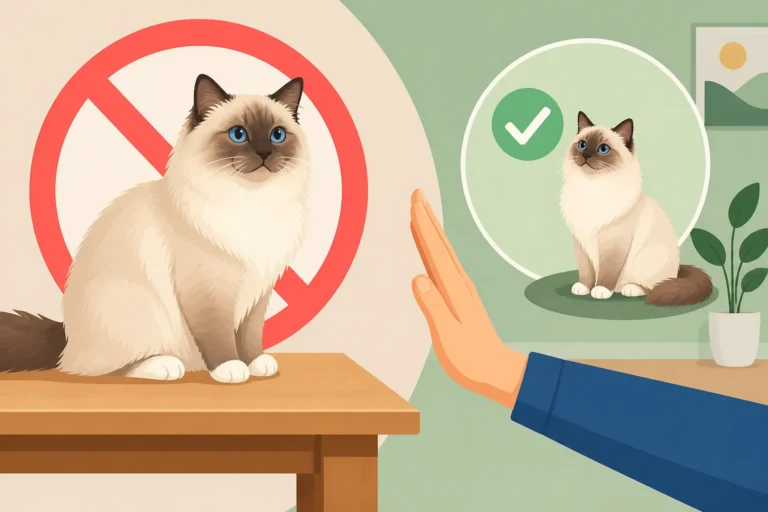
During their adolescent period, roughly from six months to two or three years, Birmans are still growing into their unique, long, rectangular frames. This means they need ample opportunity to stretch, run, and develop their musculature. While they might not be as frenetic as a tiny kitten, their capacity for sustained play increases. This is the time to reinforce appropriate play boundaries – teaching them that hands are for petting, not biting, and that gentle play is always the rule. Providing interactive toys that challenge them physically and mentally will help them burn off excess energy constructively and prevent boredom, ensuring they grow into well-adjusted, confident adults. Don't underestimate the need for regular engagement during these formative years; it sets the stage for a lifetime of good behavior and a strong bond with you.
Play for Adult Birmans
Once your Birman reaches full maturity, typically around three years of age, their play style settles into a more consistent, moderate rhythm. This doesn't mean play becomes less important; in fact, it's crucial for maintaining their physical health and mental sharpness. Adult Birmans benefit immensely from daily interactive play, which helps prevent obesity, keeps their joints limber, and provides vital mental stimulation. Aim for two to three dedicated play sessions totaling 30-60 minutes each day. These sessions don't need to be high-impact; a gentle game of chase with a favorite wand toy, a puzzle feeder challenge, or a round of "hide and seek" with a treat will be thoroughly enjoyed.
Many Birmans will continue to play actively into their middle age and beyond. Why a Birman Keeps Playing Into Middle Age is often attributed to their generally good health and even temperament. They might not leap quite as high or run quite as fast as they did in their youth, but the joy of the chase and the satisfaction of a "successful hunt" remain strong. Consistent play also helps maintain a strong bond between you and your Birman, reinforcing trust and affection through shared, positive experiences. It's about maintaining a routine that provides enrichment without demanding too much, respecting their inherently calm disposition while still meeting their innate needs.
Adapting Play for Senior Birmans
As your Birman transitions into their senior years, typically around age 10-12, you'll notice a natural winding down of their activity levels. They might nap more, move a little slower, and be less inclined to jump to high places. However, it's a common misconception that senior cats no longer need to play. In fact, gentle play becomes even more critical for maintaining cognitive function, joint flexibility, and muscle mass, albeit in a modified form. How a Birman's Play Changes at Seven and beyond, focusing on comfort and mental engagement over strenuous activity.
For senior Birmans, play should be adapted to be low-impact and easily accessible. Avoid games that require high jumps or sudden twists. Instead, focus on floor-level play with feather teasers, soft balls, or toys that roll gently. Puzzle feeders are excellent for mental stimulation without physical strain. Heated beds or soft blankets can make their play area more appealing, encouraging them to participate even if their joints are a bit stiff. Observing their energy levels and stopping before they show signs of fatigue is paramount. Even a 10-minute session of gentle interaction a couple of times a day can make a world of difference in keeping an older Birman engaged and content. Remember, How Little Play a Birman Needs to Stay Content in their senior years might surprise you, but it needs to be consistent and tailored.
Types of Play and Ideal Toys for Birmans
Knowing how a Birman likes to play is just as important as knowing how much they need. Their preferences often lean towards interactive and mentally stimulating activities rather than solitary, high-energy pursuits.
Interactive Play: The Birman's Favorite
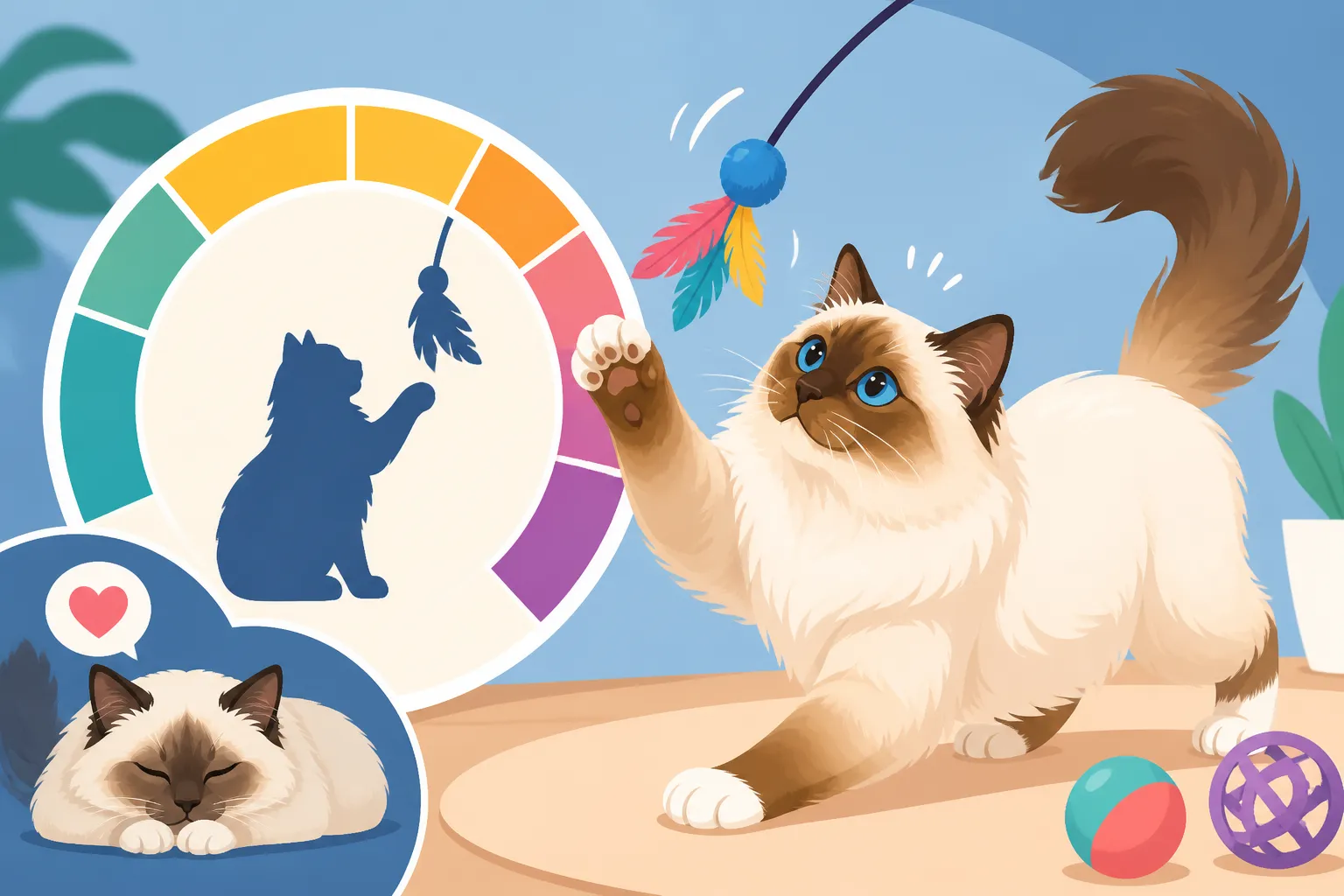
If you want to truly engage a Birman, interactive play is almost always the answer. These cats thrive on shared experiences and appreciate their human's involvement. Wand toys, especially those with natural feathers, soft fabric lures, or crinkly elements, are absolute gold. The key is to mimic prey movement: darting, hiding, and pausing, allowing your Birman to stalk, chase, and finally, "capture" their prize. This satisfies their natural hunting instincts in a safe and controlled environment. Which Wand Toys Move Slowly Enough for a Birman are often the most effective, as Birmans appreciate the drama of the hunt more than the sheer speed. Avoid rapid, erratic movements that can overwhelm their senses.
While laser pointers can seem like fun, always use them with caution. The endless chase without a tangible "capture" can be frustrating for a cat. If you use a laser pointer, always finish the session by redirecting their attention to a physical toy they can catch and "kill," fulfilling their hunting cycle. Soft, lightweight balls or crinkle toys batted across the floor can also initiate a lovely game of chase. The beauty of interactive play with a Birman is that it strengthens your bond; they associate you with positive, engaging experiences, deepening their affection and trust. It's a fantastic way to spend quality time together and truly speak their language.
Solo Play and Enrichment
While Birmans adore human interaction, there will inevitably be times when they are left to their own devices. Providing opportunities for solo play and enrichment is crucial to prevent boredom and keep their minds active. Soft, lightweight balls they can bat around, crinkle toys that make an enticing sound, or kicker toys filled with catnip can provide bursts of solitary entertainment. These shouldn't replace interactive play, but rather supplement it.
Puzzle feeders are another fantastic tool for solo enrichment. These toys require your Birman to use their problem-solving skills to extract treats or kibble, engaging their brains and slowing down their eating. Whether a Puzzle Feeder Interests a Birman at All largely depends on the individual cat, but many Birmans, with their intelligent and observant nature, take great satisfaction in mastering them. You can find a wide selection of puzzle feeders on Amazon, ranging from simple treat-dispensing balls to more complex mazes. Rotating these toys every few days helps to maintain interest and novelty, preventing them from becoming stale or predictable.
Social Play with Other Cats or Dogs
Birmans are famously adaptable and often get along wonderfully with other pets, including other cats and even gentle dogs. Why a Birman is the Cat Families Are Told to Get is partly due to this exceptional social nature. If your Birman has a companion, social play can become a significant part of their daily enrichment. However, their play style with other animals tends to be gentle and more "parallel" than aggressive. They might enjoy chasing each other around, engaging in soft wrestling, or batting toys back and forth.
When introducing a Birman to another cat for play, look for companions with similar energy levels. A very high-energy, boisterous cat might overwhelm a Birman, whereas a calm, equally gentle feline friend is often a perfect match. Why a Birman Does Better With a Companion Than a Toy speaks to their innate desire for company. With dogs, Birmans tend to be remarkably tolerant. They might engage in gentle chases or even enjoy a quiet cuddle session with a well-behaved canine. Always supervise initial interactions and ensure both animals are comfortable, but many Birmans thrive in multi-pet households, finding joy and companionship in shared, calm play.
Structuring a Birman's Daily Play Routine
Consistency is a Birman's best friend. While they are adaptable, having a predictable routine for play helps them feel secure and ensures their needs are consistently met. It's about finding a rhythm that works for both of you.
Recommended Daily Play Duration
For most adult Birmans, a total of 30-60 minutes of interactive play per day, broken into two to three distinct sessions, is a great target. This isn't a hard and fast rule, of course; individual cats will have their own rhythms and energy levels. However, spreading play throughout the day ensures they get bursts of activity and mental engagement rather than one long, potentially tiring session. Many owners find that a session in the morning, before heading out for the day, and another in the evening, when they're settling in, works beautifully. These times often align with a cat's natural crepuscular (dawn and dusk) activity peaks.
For younger Birmans, especially kittens and adolescents, you might lean towards the higher end of that spectrum, or even add a third short session, as their energy reserves are typically greater. For senior Birmans, the duration might reduce slightly, or become more frequent but shorter, perhaps 10-15 minutes at a time. The key is flexibility and observing your cat. If they're clearly still engaged and enjoying themselves, a session can go a bit longer. If they start to lose interest, become distracted, or show signs of fatigue, it's best to end on a positive note, leaving them wanting more.
Observing Your Birman's Cues and Energy
Since Birmans aren't typically vocal about their play desires, you'll need to become an expert at reading their more subtle body language. When a Birman is truly engaged in play, you might notice their pupils dilating, their tail twitching at the tip, a low crouch as they prepare to pounce, or ears swiveling forward, entirely focused on the "prey." These are clear indicators that they are enjoying the session and are mentally invested.
Conversely, it's just as important to recognize when they've had enough. If they start walking away from the toy, sitting down, grooming themselves mid-play, or simply looking bored, it's time to end the session. Pushing them past this point can lead to frustration or disinterest in future play. Sometimes, a Birman might also subtly invite play by following you around, rubbing against your legs, or giving a soft trill when you pick up a favorite toy. Pay attention to these gentle invitations. If you notice your Birman becoming withdrawn or unusually quiet, especially if it's a sudden change, it's worth investigating. What a Withdrawn Birman Is Telling You can sometimes be a sign of illness, and a loss of interest in play might be one of the first indicators.
The Role of Consistency and Variety
Establishing a consistent play routine provides a sense of security for your Birman, which, for such a gentle and sensitive breed, is incredibly valuable. Knowing when to expect playtime reduces anxiety and helps them settle into the rhythm of your home. However, consistency doesn't mean monotony. While the timing of play sessions can be consistent, the content should offer variety.
Rotate your toys every few days, bringing out "new" old toys to spark their interest. You can find a huge variety of rotation toys on Amazon, from crinkle balls to plush kickers. Introducing a new wand toy lure, changing the speed or pattern of your play, or even simply playing in a different room can add novelty. You might hide treats around the room for them to "hunt" or engage them in a brief clicker training session. Variety keeps their minds stimulated and prevents them from getting bored with the same old routine. A mentally enriched Birman is a happier Birman, less prone to boredom-induced behaviors and more likely to maintain their bright, curious nature.
Common Play Mistakes and How to Avoid Them
Even with the best intentions, it's easy to fall into certain habits that might not serve your Birman's play needs effectively. Being aware of these common pitfalls can help you optimize your approach.
Over-Stimulation vs. Under-Stimulation
One of the most common mistakes is either overwhelming a Birman with too much intensity or activity, or on the flip side, not providing enough. Over-stimulation can occur if you use a laser pointer for too long without a tangible catch, or if you wave a wand toy around frantically, never allowing them to "win." This can lead to frustration, anxiety, or even over-grooming as a stress response. Remember, Birmans appreciate the hunt, not just the endless chase. Ending a play session with a successful "kill" of the toy, followed by a treat or a meal, helps to complete their hunting cycle and provides satisfaction.
Conversely, under-stimulation is a silent problem. Because Birmans are so undemanding, it's easy to accidentally neglect their need for interactive play. This can lead to lethargy, weight gain, or even subtle behavioral issues like excessive sleeping or a lack of engagement with the household. It won't manifest as destructive behavior or loud meowing, but more as a quiet retreat. Finding that balance, providing consistent, gentle, and engaging play, is crucial. It’s a middle ground, much like their energy levels themselves. How a Birman's Energy Compares to a Siamese's shows they aren't built for high intensity, while How a Birman's Energy Compares to a Persian's reminds us they're not purely ornamental.
Ignoring Subtle Requests for Play
As we've discussed, Birmans communicate their needs in whispers, not shouts. Waiting for them to loudly demand attention before you initiate play is a sure way to miss opportunities for enrichment. A gentle head-nudge, a soft rub against your leg as you pass, following you from room to room, or simply sitting and watching you intently from a short distance – these are all subtle ways a Birman might express a desire for connection and play.
Learning to interpret these quiet cues is part of truly understanding your Birman. If they bring a toy into the room and drop it near you, even if they don't make a sound, consider it an invitation. If they seem particularly alert and interested when you pick up a wand toy, even if they don't immediately leap, take that as a sign they're ready to engage. Being proactive and initiating play, especially during those natural activity peaks in the morning and evening, ensures their play needs are met even if they aren't overtly asking.
Neglecting Mental Enrichment
Play for a Birman isn't solely about physical exertion; mental enrichment is equally, if not more, vital. A cat's brain needs to be stimulated to prevent boredom and maintain cognitive health. Simply throwing a ball might provide some physical activity, but it won't engage their minds in the same way a puzzle or a strategic hunt will.
Incorporating puzzle feeders, as mentioned, is an excellent way to provide mental challenge. You can find interactive treat dispensers on Amazon that range from simple to complex, encouraging them to think. Hiding treats in different spots around the house, creating a "treasure hunt," can also be incredibly engaging. Simple clicker training for tricks like "sit" or "paw" not only provides mental stimulation but also strengthens your bond through positive reinforcement. Even just varying the way you play with a wand toy – letting the "prey" hide and reappear, making it flutter slowly, or letting them stalk it before the pounce – adds mental complexity that a Birman truly appreciates. It's about making them think, not just react.
Integrating Play with Health and Behavior
Play is far more than just fun for a Birman; it's a foundational element of their overall health and well-being. It impacts everything from their physical condition to their emotional state.
Play as a Tool for Health Maintenance
Regular, appropriate play sessions are a powerful tool in maintaining your Birman's physical health. First and foremost, consistent activity helps to manage their weight. Obesity in cats can lead to a host of health problems, including diabetes and joint issues. Engaging in daily play helps burn calories, maintain muscle tone, and keeps their metabolism ticking along. Given their long, sturdy frames, keeping their weight in check is important for their joint health as they age.
Beyond weight, play helps reduce stress and can contribute to a stronger immune system. A happy, engaged Birman is generally a healthier Birman. The physical activity increases blood flow, helps with digestion, and generally keeps their systems running smoothly. It's preventative medicine in its most enjoyable form. Furthermore, because Birmans are such gentle creatures, they aren't known for rough-and-tumble play that could lead to injuries, making their chosen activities safer for their physical well-being.
Play and Addressing Behavioral Changes
If you notice a sudden change in your Birman's behavior, evaluating their play routine should be one of your first steps. A Birman who suddenly seems restless, over-grooms, or even exhibits subtle destructive behaviors (though rare for this breed) might be signaling boredom or a lack of mental and physical stimulation. Increasing and diversifying their play sessions can often mitigate these issues. For example, if your Birman is looking for something to "hunt," a directed play session might be just what they need instead of batting at something inappropriate.
Conversely, a sudden decrease in interest in play is a significant red flag. A Birman who typically loves their wand toy suddenly ignoring it, or showing no enthusiasm for a puzzle feeder they usually enjoy, could be subtly telling you they aren't feeling well. What a Sudden Change in a Birman's Behavior Means often warrants a call to the vet, and changes in play habits are a primary indicator. These cats are masters at hiding illness, so any shift in their routine, especially play, should be taken seriously. Play also deepens the bond between you and your cat, reinforcing positive interactions and trust, which can be particularly reassuring if they are feeling a little off.
The Importance of a Safe Play Environment
Before any play session, always ensure your environment is safe for your Birman. Remove any small objects they could swallow, secure dangling cords (which can pose a strangulation risk), and make sure there are no sharp edges or unstable furniture they could fall from, especially if they are enthusiastic. Because Birmans typically don't jump to extreme heights, you often don't have to worry about them scaling the tallest bookshelves, but still, ensure any elevated play surfaces are stable.
Also, consider the temperature of the room. While Birmans have a beautiful, silky coat, it's a single coat without a dense undercoat, meaning they aren't as insulated as some other long-haired breeds. Why a Coat With No Undercoat Is Not Warm means they might feel the cold more readily. Ensure their play area is comfortable, not too drafty or chilly, especially if they are a senior cat who might be less mobile. Providing soft rugs or carpeting can also offer better traction and cushioning for their joints during pounces and landings, making play more comfortable and safer for them.
| Age Stage | Recommended Daily Play | Preferred Play Types | Key Considerations |
|---|---|---|---|
| Kitten (0-1 year) | 60-90 minutes (multiple short sessions) | Wand toys, small balls, chase, pouncing, developing hunting skills | Teach boundaries, consistent engagement, ample space to explore |
| Adult (1-10 years) | 30-60 minutes (2-3 sessions) | Interactive wand play, puzzle feeders, gentle chase, solo toys | Consistency, variety, mental enrichment, observe subtle cues |
| Senior (10+ years) | 15-30 minutes (2-3 very gentle sessions) | Low-impact wand play, floor games, scent games, puzzle feeders | Prioritize comfort, avoid high jumps, monitor energy, maintain cognitive function |
In conclusion, your Birman cat, despite their gentle and quiet demeanor, has very real and important play needs. By understanding their unique temperament, tailoring play to their age, offering a mix of interactive and solo enrichment, and establishing a consistent yet varied routine, you'll ensure your beautiful companion remains physically healthy, mentally sharp, and deeply bonded with you for years to come.
Disclaimer
This article is for general informational purposes only and does not constitute professional advice. Laws, prices and regulations vary by location and change over time. Consult a qualified professional for guidance on your specific situation.