How a Birman’s Play Changes at Seven
It's a common observation for Birman owners: one day your seemingly ageless cat is chasing a feather wand with gusto, and the next, they're watching it with a discerning eye, perhaps batting it once or twice before settling back into a dignified repose. This shift in play around the seven-year mark often sparks a mix of concern and curiosity. Is it normal aging, a sign of a deeper issue, or just a change in preference? This guide will delve into these subtle transformations, helping you understand your middle-aged Birman's evolving playtime needs and how to keep them engaged and happy.
The Subtle Shift in a Birman's Play Style
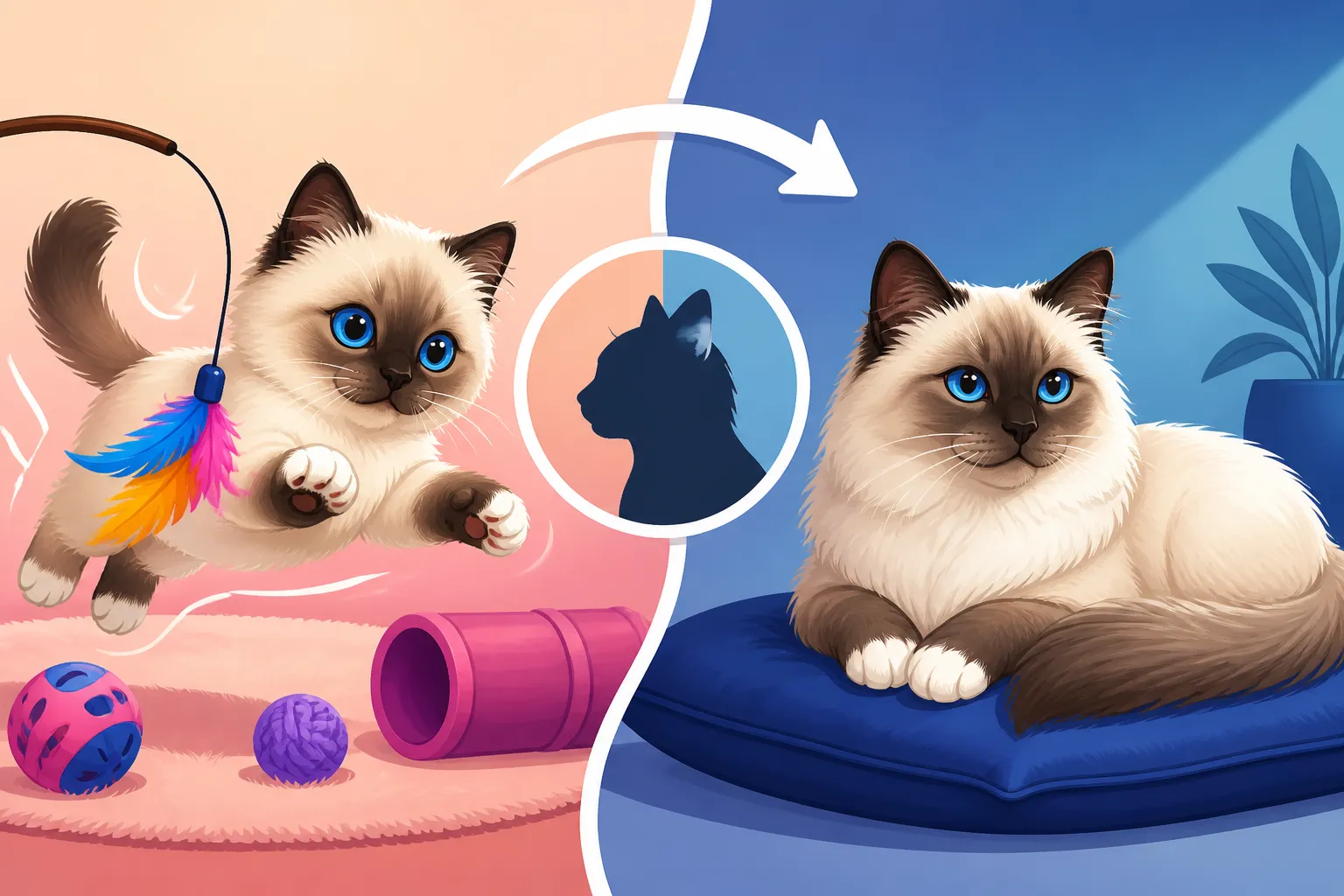
When your Birman hits that seven-year milestone, you might notice a change in how they interact with their environment and their favorite toys. It’s not that they suddenly become sedentary or grumpy; rather, their play evolves, often becoming more refined, thoughtful, and, dare I say, strategic. This shift is a natural part of their journey into middle age, reflecting both their physical maturation and the deepening of their already serene personality.
Less Sprinting, More Stalking
One of the most noticeable changes you'll likely observe is a decrease in those explosive bursts of energy that characterized their younger years. While a kitten or a young adult Birman might launch itself across the room after a laser dot or a crinkly ball, a seven-year-old will often opt for a more calculated approach. Instead of a full-on sprint, you might see them engage in intense stalking behaviors. They'll crouch low, eyes fixed, tail twitching ever so slightly, and then execute a swift, precise pounce.
This isn't laziness; it's efficiency. Their bodies might not have the same endless endurance for prolonged, high-impact activity, so they conserve energy for the critical strike. Think of it like a seasoned hunter learning to pick their moments. These shorter, more focused bursts of activity are perfectly normal. You might find a play session that used to last twenty minutes of non-stop chasing now consists of a few five-minute rounds of intense, focused hunting. This change in pace also means they recover faster between these intense moments.
The Appeal of Predictable Play
As Birmans mature, their appreciation for routine and predictability often extends to their playtime. The chaotic, unpredictable games that once thrilled them might now seem a bit overwhelming. Instead, they often gravitate towards familiar games with clear rules, or toys that offer a consistent interaction. For instance, a wand toy used in a consistent pattern – mimicking a bird flying, then landing, then scurrying – might hold their attention better than erratic, sudden movements.
This preference for predictability ties into their inherently placid temperament. Birmans are known for their calm and gentle nature, and as they age, this trait often becomes even more pronounced. They enjoy the comfort of knowing what to expect, and this creates a safe, enjoyable play environment. This isn't to say they won't occasionally surprise you with a spontaneous burst of silliness, but generally, structured playtime where they can anticipate the flow of the game will be more engaging. It allows them to feel in control and enjoy the mental stimulation without the stress of constant, unexpected changes.
Engagement Over Exertion
The goal of playtime for a seven-year-old Birman shifts from pure physical exertion to mental and emotional engagement. While physical activity is still vital for their health and muscle tone, the emphasis becomes more about interaction, problem-solving, and bonding. They still absolutely want to play, but the nature of that play becomes less about tiring them out and more about satisfying their hunting instincts and their need for companionship.
Consider games that require a bit of thought, like puzzle feeders that dispense treats or toys that need to be "rescued" from under a blanket. These types of activities stimulate their minds and provide a sense of accomplishment without demanding excessive physical effort. It's also a wonderful opportunity for you to deepen your bond. Gentle play with a favorite soft toy, where you participate actively by wiggling it or "hiding" it, can be incredibly rewarding for both of you. This engagement is key to keeping their minds sharp and preventing boredom, which can sometimes manifest as undesirable behaviors in cats. You'll find that their desire for company means they appreciate your presence even if they aren't tearing around the house. Why a Birman Needs Company More Than Stimulation
Understanding the Underlying Reasons for Change
It’s completely normal for a Birman's play habits to evolve as they age, just like any living creature. However, understanding the why behind these changes can help you differentiate between typical maturation and potential health concerns. Seven years old is a significant marker for cats, often considered the beginning of their middle-aged years, where subtle shifts in their body and mind start to become apparent.
The Onset of Middle Age: Physical Considerations
Around seven years, many cats, including our beloved Birmans, begin to experience the subtle march of time on their bodies. This doesn't mean they're old and decrepit, but rather that their physical peak has passed, and they're entering a phase where their metabolism might slow down, and their joints might not be as supple as they once were. Think of it like a human in their 40s or 50s – still active, but perhaps not quite as nimble or prone to spontaneous cartwheels as in their 20s.
This natural slowing down can manifest in less energetic play. You might notice they're not jumping quite as high onto the kitchen counter, or they take an extra moment to settle after a leap. Mild arthritis, which can begin stealthily in middle age, might make certain movements uncomfortable, even if your Birman doesn't show overt signs of pain. Their muscles might not respond as quickly, and their stamina for prolonged exertion diminishes. It's also a good time to keep an eye on their weight; a slower metabolism combined with less vigorous play can lead to unwanted pounds, which in turn puts more strain on their joints. What an Old Birman Slows Down From First can tell you more about the signs to watch for as they get older.
Mental Maturity and Preferred Interactions
Beyond the physical, a Birman's mental landscape also matures significantly by the age of seven. They've had years to observe, learn, and develop a deep understanding of their home environment and their human companions. This often translates into a more discerning and thoughtful approach to play. Their curiosity remains, but it might be expressed through quiet exploration rather than boisterous antics.
Birmans are known for their gentle and companionable nature, and this trait tends to deepen with age. They often prefer interactions that involve their people, even if it's just gentle petting or sitting near you while you engage them with a toy. They might become even more attuned to your moods and prefer a calm, reassuring presence during playtime. While a younger Birman might enjoy being tossed into the air (gently, of course!), a middle-aged Birman is more likely to appreciate a quiet game of "find the treat" or a slow, rhythmic sway of a feather wand. This is also why How Much Play a Birman Wants a Day can change, becoming less about quantity and more about quality and interaction.
Health Checks and Early Detection
While many changes in play are simply a part of normal aging, it's absolutely crucial not to dismiss significant shifts without a veterinary check-up. Sometimes, a sudden or marked decrease in playfulness, reluctance to move, or changes in how they jump can be an early indicator of an underlying health issue. Birmans are notoriously placid, and their calm demeanor often means they are masters at hiding discomfort or illness. They might simply withdraw or alter their routine rather than display obvious signs of pain.
Conditions like early-onset arthritis, dental problems (which can make chewing or pouncing uncomfortable), or even more serious issues like heart conditions (which can reduce stamina) can all impact a cat's desire and ability to play. This is why regular vet visits become even more critical around this age. Your vet can perform a thorough examination, including checking joints, teeth, and listening to their heart. For a Birman, especially, knowing The Age a Birman Starts Needing Yearly Heart Checks is essential for proactive care. Early detection of any problem allows for quicker intervention and can significantly improve your Birman's quality of life. Never underestimate the importance of a professional eye when your cat’s behavior changes; Why a Quiet Birman Is Easy to Misread.
Adapting Playtime for Your Seven-Year-Old Birman
Once you understand that your Birman's play preferences are shifting, adapting your approach becomes a fun and rewarding challenge. It’s all about meeting them where they are in their life stage, ensuring they remain mentally stimulated and physically comfortable, without pushing them beyond their evolving capabilities. This thoughtful adjustment will ensure that playtime remains a cherished part of your routine.
Choosing the Right Toys for Mature Birmans
The days of frantically chasing a laser pointer for ten minutes straight might be dwindling, but that doesn't mean the toy box needs to be emptied. Instead, it's time for an upgrade to items that cater to a more mature, yet still playful, sensibility. Prioritize toys that encourage gentle interaction, mental engagement, and precision rather than brute force.
- Wand Toys, Used Deliberately: These remain a favorite, but the way you use them matters. Instead of fast, erratic movements, opt for slower, more deliberate motions that mimic a bird gliding or a mouse scurrying just out of reach. Let your Birman stalk, pounce, and "catch" the toy frequently to build their confidence and satisfy their hunting drive without over-exertion. You can find a wide variety of excellent, sturdy wand toys on platforms like Amazon.
- Puzzle Feeders: These are fantastic for mental stimulation. They require your Birman to use their paws and brains to extract treats or a portion of their meal. This taps into their problem-solving skills and provides a satisfying challenge. Start with simpler designs and gradually introduce more complex ones.
- Soft, Crinkly, or Infused Toys: Toys that crinkle, have interesting textures, or are infused with catnip can still be very appealing. Soft, lightweight balls or small stuffed animals are perfect for batting around gently or carrying from room to room. These allow for independent play without demanding much energy. Which Toys Suit a Birman That Plays Quietly often involve these types of gentler interactions.
Short, Frequent Sessions Beat Long, Exhausting Ones
Instead of trying to squeeze a single, long play session into your day, try breaking it down into several shorter, more manageable bursts. A seven-year-old Birman might only have the energy and focus for 5-7 minutes of active play at a time. Trying to extend this could lead to disinterest, or worse, over-exertion if they're pushing themselves.
Think about incorporating 3-4 short play sessions throughout your day. For example:
- A quick feather wand session before your morning coffee.
- A puzzle feeder at lunchtime.
- Another gentle wand play in the evening.
- A quiet game of "hunt the treat" before bed.
This approach keeps them engaged and active without overwhelming them. It respects their natural rhythm and helps them maintain muscle tone and mental alertness without the risk of fatigue. Plus, these little moments of interaction are wonderful for reinforcing your bond and showing them that they are still a cherished, playful member of the family. Remember, consistency is often more important than intensity.
Incorporating Brain Games and Gentle Interaction
Play doesn't always have to involve a toy. For a mature Birman, some of the most satisfying "play" can come from simple, gentle interaction and games that challenge their minds rather than their bodies.
- Hide-and-Seek for Treats: This is a fantastic brain game. While your Birman is in another room, hide a few small, enticing treats in easy-to-find spots. Call them to "find it!" and let them enjoy the thrill of the hunt. As they get better, you can make the spots slightly more challenging.
- Slow-Paced Laser Pointers: If your Birman still enjoys a laser pointer, use it with caution and purpose. Instead of zipping it around frantically, guide it slowly, allowing them to stalk and pounce on the dot. Always end a laser session by directing the dot onto a physical toy or treat that they can "catch" and feel satisfied with, preventing frustration.
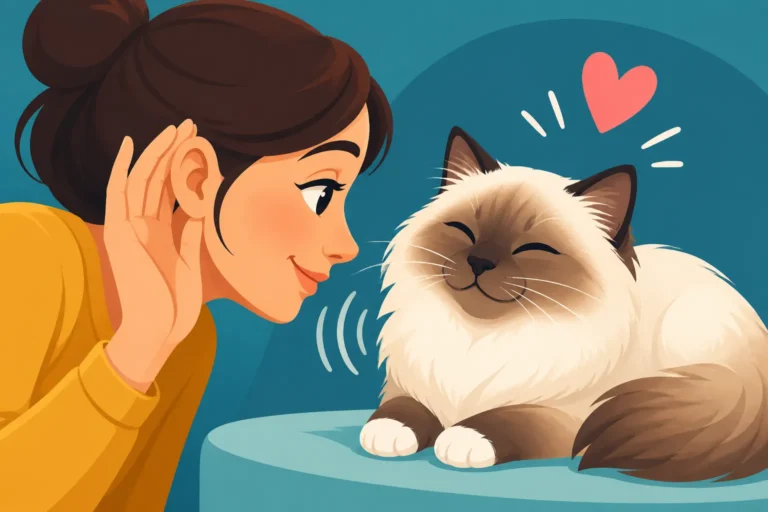
- Interactive Story Time or Quiet Chat: Sometimes, simply talking to your Birman, describing your day, or even reading aloud, can be a form of engagement for them. They love being near you, listening to your voice, and feeling like part of the conversation. Many Birmans are quite content to sit quietly beside you, purring softly, as you offer gentle pets and ear scratches. This kind of calm, companionable interaction is deeply enriching for them.
| Play Characteristic | Younger Birman (1-6 years) | Mature Birman (7+ years) |
|---|---|---|
| Energy Level | High bursts, longer sessions, athletic jumps | Moderate, shorter bursts, prefers stalking & pouncing |
| Play Duration | 15-20 minutes, fewer breaks | 5-7 minutes, more frequent breaks |
| Preferred Toys | Fast-moving wands, laser pointers, noisy balls | Slower wands, puzzle feeders, soft, quiet toys |
| Interaction | Independent play, chasing, rough-and-tumble | Companionable play, mental games, gentle interaction |
| Recovery Time | Quick to resume play after a short rest | Needs more time to rest after active periods |
| Motivation | Pure excitement, physical release | Mental stimulation, bonding, satisfaction of hunt |
| Vocalizations | More varied meows and trills during play | Quieter, subtle trills, focused concentration |
Recognizing When Play Changes Signal a Problem
While it’s natural for your Birman's play to evolve with age, it's incredibly important to know the difference between a normal, age-related shift and a potential red flag signaling a health issue. Birmans are remarkably stoic animals, often masking discomfort until a condition is quite advanced. This makes their subtle behavioral changes, including those in their play, critically important indicators.
When "Slowing Down" Becomes "Stopping"
There's a significant difference between a Birman who still enjoys a good stalk and pounce, albeit with less vigor, and one who has completely stopped engaging in play. If your seven-year-old Birman goes from being a gentle player to showing absolutely no interest in toys, even their long-time favorites, or if they actively avoid situations that used to bring them joy, it’s time to pay close attention.
A complete cessation of play, or a marked reluctance to move at all, is rarely "just old age." It can indicate pain, significant discomfort, or a systemic illness. For example, if they suddenly refuse to jump onto a favorite low perch that they used to access with ease, or if they flinch when touched in certain areas, these are strong signals that something is wrong. Don't assume they're just getting lazy; assume they might be hurting or unwell. What a Birman Stops Doing Once It Passes Ten also gives more context for later life, but even at seven, a complete shutdown of play isn't normal.
Signs Beyond Play to Watch For
A change in play is often just one piece of a larger puzzle. When observing a decrease in play, it’s vital to look at the whole picture of your Birman's behavior. Combine their play habits with other daily routines to determine if a vet visit is warranted.
Here are other critical signs to watch for:
- Changes in Appetite or Thirst: Eating less, refusing food, or, conversely, drinking significantly more water.
- Litter Box Habits: Any changes in frequency, consistency, or straining while urinating or defecating. Accidents outside the box are also a major red flag.
- Grooming: A decrease in self-grooming, leading to a dull or matted coat, especially in areas they used to keep pristine. Over-grooming in a specific spot can also indicate discomfort.
- Hiding or Withdrawal: Birmans are companionable, so excessive hiding, increased irritability, or a sudden reluctance to be near family members are concerning. What a Withdrawn Birman Is Telling You often points to feeling unwell or stressed.
- Changes in Sleep Patterns: Sleeping significantly more or having restless sleep.
- Vocalizations: An increase in vocalizations, especially cries or meows of apparent distress, or a sudden silence from a cat who used to offer quiet trills.
Any combination of these changes, especially if they appear suddenly, should prompt an immediate call to your veterinarian.
Proactive Vet Care for Middle-Aged Birmans
The best defense against serious health issues going undetected in your middle-aged Birman is proactive veterinary care. Even if your Birman seems perfectly fine and their play changes are subtle, annual (or even bi-annual, if recommended by your vet) check-ups are non-negotiable once they hit seven years old.
These regular visits allow your veterinarian to establish a baseline of health, track any subtle weight changes, and perform routine screenings that might catch problems early. They can assess joint health, check for dental disease, listen carefully to their heart and lungs, and discuss any behavioral changes you've noticed. For Birmans, specifically, with their genetic predispositions to certain conditions, these regular check-ups are vital. For instance, screening for conditions like Hypertrophic Cardiomyopathy (HCM) or monitoring kidney function becomes increasingly important as they age. How Often a Birman With Clear Papers Still Needs a Vet is still frequent because health needs evolve with age, even for a well-bred cat. Your vet is your most valuable partner in ensuring your Birman lives a long, comfortable, and playful life well into their golden years.
Disclaimer
This article is for general informational purposes only and does not constitute professional advice. Laws, prices and regulations vary by location and change over time. Consult a qualified professional for guidance on your specific situation.