Whether a Birman’s Single Coat Means Fewer Hairballs
It’s a common misconception that all long-haired cats are destined to be hairball machines, leaving little unwelcome presents around your home. Many prospective Birman owners worry about this, picturing endless grooming sessions and frequent messy cleanups. The truth is, while no cat is entirely immune to hairballs, the Birman’s unique single coat structure often translates to a more manageable situation than you might expect, offering a refreshing difference from some of their fluffier cousins.
Understanding the Birman's Unique Coat Structure
When you picture a long-haired cat, you might immediately think of a thick, dense coat that seems to shed constantly and mat easily. It's a valid concern, especially if you've ever shared your home with breeds known for their voluminous fur. However, the Birman's coat is a delightful exception to this rule, primarily due to its distinct construction.
The Single Layer Advantage
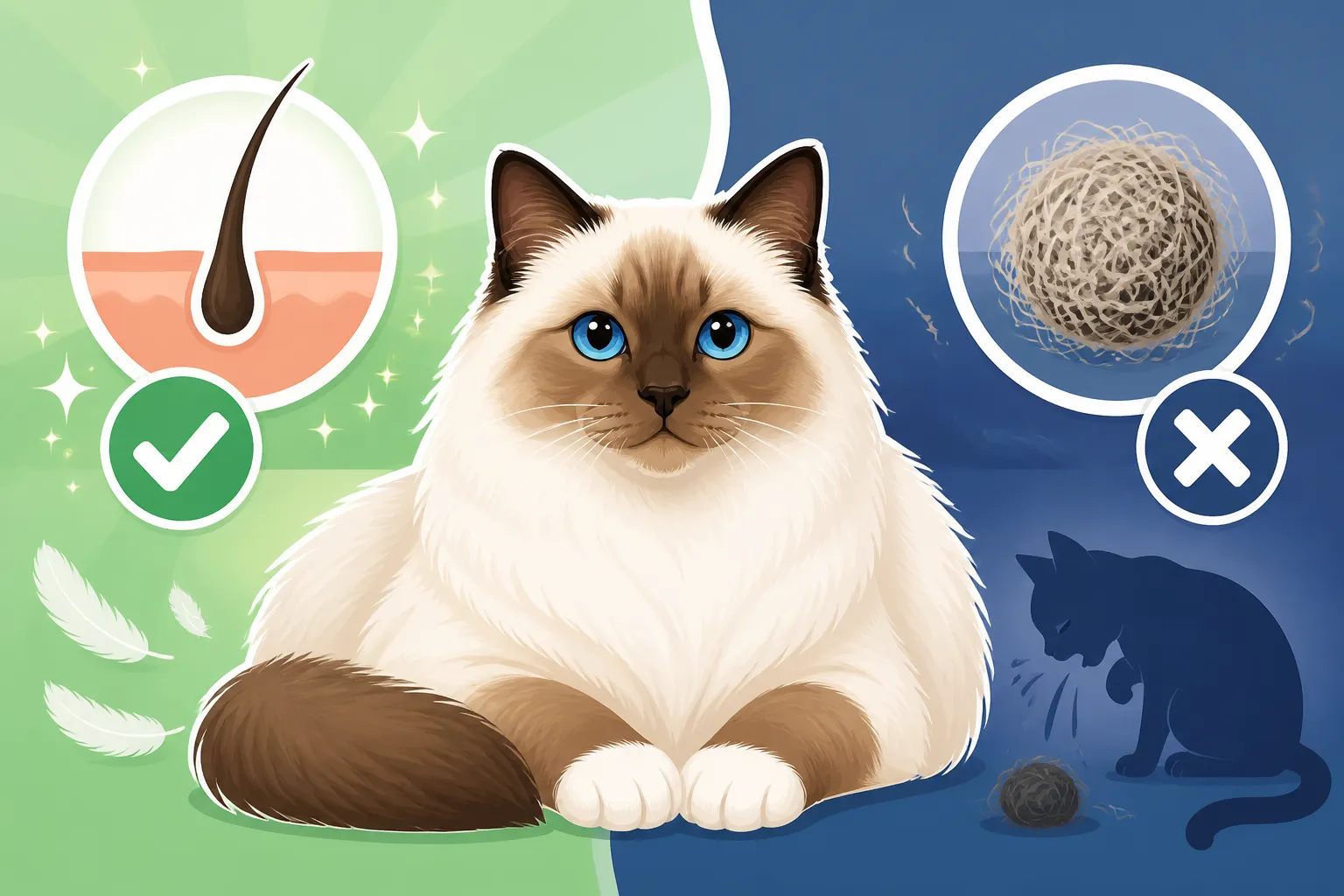
Unlike many other long-haired breeds, such as Persians or Maine Coons, the Birman boasts what’s known as a "single coat." What does this mean in practical terms? It means they lack the dense, woolly undercoat that's responsible for a significant portion of shedding and matting issues in other cats. That heavy, fluffy layer underneath the longer guard hairs is what often makes grooming a chore and contributes to the sheer volume of fur ingested during self-grooming.
The absence of this undercoat is a game-changer for Birman owners. It's the primary reason why their fur feels so incredibly soft and silky to the touch, and why it tends to lie flat rather than puffing out in an unruly fashion. For those who've wrestled with the never-ending tumbleweeds of fur from a double-coated breed, the Birman’s coat offers a genuine sense of relief. It truly sets them apart, making daily life with a long-haired cat far less demanding in the grooming department. This particular characteristic is precisely No Undercoat Is What Makes a Birman Easy to Groom.
Texture and Length Specifics
The Birman's coat isn't just single-layered; its specific texture and length also play a crucial role in its manageability. Their fur is described as being medium-long, with a distinctly silky texture that just seems to glide through your fingers. It’s not coarse or wiry, nor is it cottony and prone to sticking together. Instead, it has a flowing quality that resists knotting and matting to a remarkable degree.
While the body fur is medium-long, certain areas like the ruff around their neck, the britches on their hind legs, and their magnificent tail plume are noticeably longer and denser. Even in these areas, the silky texture prevails, meaning that while these spots might require a little extra attention, they generally don't present the same challenges as a full undercoat would. The way What Makes a Birman's Coat Silky Rather Than Woolly is a truly distinctive breed trait. This unique combination of a single layer, silky texture, and moderate length means that while Birmans do shed – all cats do, after all – the amount of fur they drop is typically far less substantial than their double-coated counterparts. This directly impacts the amount of hair available to be ingested, leading us to the question of hairballs.
Hairball Formation and the Birman Reality
Hairballs are a fact of life for most cats, a natural consequence of their fastidious grooming habits. Your Birman, with all its pristine beauty, is no exception. However, the unique qualities of their coat significantly influence the frequency and severity of these regurgitated gifts.
The Mechanics of Hairballs
To understand why a Birman might produce fewer hairballs, it’s helpful to understand how these charming little furballs even come to be. Cats are meticulous groomers, spending a considerable portion of their day licking their fur to keep themselves clean and tidy. Their tongues are covered in tiny, backward-facing spines called papillae, which act like natural combs, efficiently pulling out loose and dead hair from their coats. This is fantastic for their hygiene but less so for their digestive systems.
The ingested fur generally passes through the digestive tract without issue. However, sometimes, especially when there’s a lot of loose fur or if the cat’s digestive system is a bit sluggish, the hair accumulates in the stomach. Unable to pass through the intestines, the cat’s natural response is to vomit it up, and out comes the hairball. The size and frequency often correlate directly with the amount of shedding fur a cat ingests. While a Birman's coat isn't entirely "no-shed," the difference is noteworthy. You'll find that How Much a Coat With No Undercoat Actually Sheds is considerably less than you might expect, reducing the raw material for hairballs.
Do Single Coats Mean Fewer Hairballs?
This is the million-dollar question for many potential Birman parents, and the answer is a resounding "yes, generally." While you should never expect no hairballs, a Birman's single, silky coat definitely contributes to fewer and often smaller hairballs compared to breeds with dense undercoats. Think of it this way: less shedding fur means less fur for them to swallow during grooming. It’s simple math!
Birmans are still fastidious groomers, and they will still ingest some fur. However, the fine, silky nature of their hair means that when it is shed and ingested, it tends to pass through their digestive system more easily than the coarse, woolly undercoat of other breeds. This reduction in ingested fur, combined with its smoother texture, means fewer blockages and therefore, less need for your cat to bring up a hairball.
So, while you might still encounter an occasional hairball, perhaps once every few weeks or months, it's a far cry from the weekly or even daily occurrences that some owners of breeds like the Persian or some long-haired domestic cats might face. This is one of the many reasons why Birmans are often lauded for being relatively easy to maintain, even with their long coats. It’s a realistic expectation that you'll have less hairball drama to contend with. Still, it's wise to consider pet insurance from providers like Healthy Paws, even with fewer hairballs, as unexpected digestive issues can always arise, and having coverage offers peace of mind.
Managing Hairballs in Your Birman
Even with a Birman's less hairball-prone coat, proactive management is still key to keeping your feline friend healthy and your home hairball-free. It's not about eliminating them entirely, but about minimizing their frequency and ensuring your Birman stays comfortable.
Consistent Grooming Routine
The single best defense against hairballs, regardless of coat type, is a consistent and effective grooming routine. For a Birman, this means regular combing to remove loose fur before your cat has a chance to swallow it.
Aim for combing your Birman at least three times a week, though many owners find a quick daily brush session is easy to incorporate and incredibly effective. Because Why a Birman's Coat Runs Through Your Fingers so smoothly, these sessions are usually quick and enjoyable for both of you, often taking How Many Minutes a Week a Birman's Coat Takes – far less time than other long-haired breeds.
When choosing your tools, opt for a metal comb with both wide and fine teeth. A good quality comb will glide through their silky fur without pulling. Avoid slicker brushes, which can be too harsh for a Birman's delicate guard hairs. Focus your attention on areas prone to matting or denser fur, like the ruff, armpits, and britches. Gently work through any tangles you find. By doing this, you're not just preventing hairballs; you're also keeping their beautiful coat in pristine condition and strengthening your bond with your cat. It's often recommended to adhere to Combing a Birman Three Times a Week to keep their coat healthy and minimize shedding.
Dietary Support and Hydration
What your Birman eats and drinks plays a significant role in their digestive health, which in turn affects hairball production. A high-quality diet that supports skin and coat health can help reduce shedding, while certain ingredients can aid in the passage of ingested fur.
Look for cat foods that specifically mention "hairball control" or contain higher levels of fiber, such as psyllium husk or beet pulp. These ingredients help bind the ingested hair and facilitate its movement through the digestive tract. Additionally, diets rich in omega-3 and omega-6 fatty acids can contribute to a healthier coat, potentially reducing excessive shedding in the first place.
Hydration is also crucial. Ensure your Birman always has access to fresh, clean water. Cats, especially those on a primarily dry kibble diet, can sometimes be chronically dehydrated, which can slow gut motility and make hairballs more likely to form. Consider offering wet food daily, or investing in a cat fountain, as many cats are enticed to drink more from flowing water. This is particularly important because Why a Birman's PKD History Makes Water Intake Matter, underscoring the breed's general need for good hydration.
Environmental Enrichment and Monitoring
While not directly tied to coat type, a calm and enriching environment can indirectly help manage hairballs by reducing stress, which can sometimes manifest as overgrooming. A bored or anxious Birman might groom themselves excessively, leading to more ingested fur and a higher likelihood of hairballs.
Provide plenty of opportunities for play and mental stimulation. Interactive toys, cat trees for climbing, and regular play sessions with you can keep their minds and bodies active. If you notice your Birman engaging in What Overgrooming Means in a Birman, such as licking bald patches or constantly grooming to the point of skin irritation, it's a sign that something might be amiss. This could be stress, allergies, or an underlying health issue.
Regularly observe your Birman's eating habits, energy levels, and litter box use. Any significant changes could indicate a problem, potentially related to hairballs or something more serious. Catching these signs early is crucial. If you notice persistent issues, it's always best to consult your veterinarian. Having pet insurance from Healthy Paws can make it easier to pursue any diagnostic tests or treatments needed without financial worry.
When to Worry: Signs of Hairball Trouble
It’s completely normal for a Birman, even with their easy-care coat, to occasionally produce a hairball. But how do you know when that little furball is more than just a minor inconvenience and signals a potentially more serious problem?
Recognizing Symptoms Beyond the Norm
Distinguishing between a normal hairball and a concerning issue can sometimes feel like a guessing game, and it’s a frustration many cat owners share. Typically, a cat will cough, gag, and then produce a hairball, usually cylindrical in shape. After doing so, they should return to their normal selves, eating and playing as usual.
However, certain signs should raise a red flag and prompt a call to your veterinarian. These include:
- Frequent or excessive vomiting: If your Birman is vomiting hairballs very often (e.g., several times a week, especially if this is new behavior) or bringing up vomit that isn't primarily hair.
- Persistent gagging or retching without producing a hairball: This could indicate a blockage that your cat is struggling to pass.
- Loss of appetite or refusal to eat: A cat that is feeling unwell due to a severe hairball or blockage will likely stop eating.
- Lethargy and withdrawal: If your usually playful Birman seems unusually tired, withdrawn, or unwilling to interact, it's a cause for concern. Remember that Why a Birman Hides Illness Behind a Placid Temperament, so subtle changes can be important.
- Constipation or difficulty defecating: A large hairball can cause a blockage in the intestines, leading to straining in the litter box or no stool production at all.
- Abdominal pain or swelling: If your Birman's belly feels hard or they seem uncomfortable when touched, it could signal a serious obstruction.
Don't dismiss these symptoms, especially if they are persistent. Your Birman relies on you to notice when something is truly wrong, and sometimes, even the most placid cat can be in distress.
Veterinary Intervention and Prevention
If you observe any of the worrying symptoms mentioned above, it's important to contact your vet promptly. A veterinarian can accurately diagnose the issue. They might perform a physical examination, recommend blood tests, or use imaging techniques like X-rays or ultrasound to check for blockages or other underlying health conditions.
Treatment for severe hairball issues can range from prescribing specific hairball remedies (like laxatives or lubricants) to dietary changes, and in rare, severe cases of intestinal blockage, surgery might be necessary. This is where pet insurance, like a policy from Healthy Paws, can be incredibly valuable, as diagnostic tests, medications, and surgical procedures can quickly become expensive.
Beyond immediate treatment, your vet can also help you develop a long-term prevention plan tailored to your Birman. This might include recommending a specialized hairball diet, specific grooming tools, or even exploring if there's an underlying cause for excessive shedding or overgrooming, such as allergies or skin conditions. Regular vet check-ups are also crucial to monitor your cat's overall health and catch any potential issues early.
In conclusion, while a Birman's single, silky coat does mean fewer hairballs compared to many other long-haired breeds, they are not entirely immune. A thoughtful approach to grooming, diet, and monitoring their health ensures your beautiful Birman can live a comfortable, hairball-managed life.
Disclaimer
This article is intended for informational purposes only and does not constitute veterinary advice. Always consult with a qualified veterinarian for any health concerns or before making any decisions about your Birman's health or treatment plan.