What a Retired Birman Costs From a Breeder
It’s no secret that bringing a Birman kitten into your home is a significant financial commitment. For many prospective owners, the initial sticker shock can be daunting, leading them to believe that this beautiful, gentle breed might be out of reach. But there’s a wonderful, often overlooked alternative that offers all the love and companionship of a Birman at a different price point: adopting a retired breeding cat from a reputable breeder. This guide will walk you through what to expect when considering a retired Birman, from understanding why they become available to the financial aspects involved.
Understanding the Concept of a "Retired" Birman from a Breeder
When we talk about a "retired" Birman, we’re referring to a queen (female) or stud (male) that a breeder has decided to remove from their breeding program. These cats are typically in the prime of their lives, usually between three and seven years old, though some might be a little older. They have served their purpose in contributing to the breed's future, producing beautiful, healthy kittens, and now it's time for them to enjoy a quiet, pampered life as a cherished pet. It's a testament to responsible breeding that these cats are not simply discarded but carefully rehomed to ensure they live out their days in comfort and happiness.
Why Breeders Rehome Their Retired Cats
Breeders are deeply invested in their cats' welfare, and part of that commitment involves ensuring a happy retirement. A queen might be retired after having a few litters, as breeding can be physically demanding. They need time to recover and enjoy a life free from the stresses of raising kittens. For stud cats, retirement might come when their lines are well-established, or if a breeder decides to bring in new genetics. Maintaining a healthy, balanced cattery environment means ensuring every cat receives individual attention and care, which can become challenging with too many active breeding animals. Rehoming allows these deserving cats to transition from a busy cattery to a home where they can truly be the center of attention without the demands of reproduction.
It’s a misconception to think these cats are "used up" or have health issues. On the contrary, they are often in excellent health, having received top-tier veterinary care throughout their breeding careers, including regular check-ups, vaccinations, and genetic testing. Which Results a Birman Breeder Must Put in Writing for conditions like HCM and PKD are standard practice for responsible breeders. Their retirement is a planned, positive step, offering them a chance to thrive in a more relaxed, dedicated pet environment. It's about giving them the retirement they've earned, allowing them to settle into a forever home where they can truly relax and just be a cat.
The Benefits of Adopting a Retired Birman
There are so many wonderful reasons to consider bringing a retired Birman into your family. First and foremost, you're getting a cat whose personality is already fully developed. Unlike a kitten, where you're guessing what their adult temperament might be like, a retired Birman comes with a known history. Breeders can tell you all about their likes, dislikes, how they interact with other pets, and their preferred forms of affection. This insight makes matching a cat to your household much easier, reducing the guesswork and potential for surprises. You'll know if they're a "velcro" cat or one who prefers a bit more independence.
Beyond their established personality, retired Birmans typically come already spayed or neutered, up-to-date on vaccinations, and litter-trained. This bypasses many of the challenging initial stages of kitten ownership, saving you time, effort, and those early vet bills. They've lived in a home environment, so they're accustomed to the sights, sounds, and routines of a busy household, often making the transition smoother. Imagine skipping the frantic kitten zoomies and endless litter training accidents for a calm, well-adjusted companion ready to settle into your lap (or near your lap, as Birmans often prefer). How a Birman Shows Affection Without Making Demands is a gentle, appealing trait. For families or individuals who appreciate a mature, calm presence, a retired Birman can be an absolute dream, offering immediate companionship without the intense demands of a tiny kitten.
Factors Influencing the Cost of a Retired Birman
The cost of a retired Birman from a breeder is generally significantly less than that of a young kitten, but it's not a uniform price. Several factors come into play, reflecting the cat's background, health, and the breeder's dedication to its welfare. Understanding these elements can help you gauge what to expect and why prices vary. It's not just about the age of the cat; it's about the comprehensive care and investment that went into its life.
Age and Health Status
A retired Birman's age will definitely influence the rehoming fee. Younger retired cats, perhaps only three or four years old, might command a slightly higher fee than those who are seven or eight. This isn't because the older cats are less valuable, but simply because a younger cat typically has more years ahead of them. However, all retired Birmans are usually rehomed with a clean bill of health. They've been a part of a responsible breeding program, which means regular veterinary check-ups, excellent nutrition, and a focus on preventative care. What an Old Birman Slows Down From First and Why a Birman's Kidney Numbers Are Tracked From Middle Age are considerations a breeder will already have addressed.
The breeder will usually provide documentation of all health screenings, including recent vet visits, vaccinations, and tests for genetic conditions. For instance, you'll want to see documentation for How HCM Shows Up in a Birman screenings, usually via echocardiograms, and genetic tests like How the PKD1 Test Clears a Birman. A cat with a known, well-documented health history that is robust and active will naturally be priced to reflect the investment in its health and the confidence the breeder has in its future well-being. Any ongoing, managed health conditions, though rare for rehomed breeders, would be disclosed transparently and might influence the fee downwards.
Show History and Pedigree
Just like with kittens, the pedigree and show history of a retired Birman can affect its rehoming fee, though not as dramatically as with an actively breeding or showing animal. A Birman queen or stud that has achieved Grand Champion or even National Winner titles carries a certain prestige. While these titles won't directly impact its life as a pet, they reflect the exceptional quality of the animal and its successful contribution to the breed standard. Breeders put a lot of time, effort, and expense into showing their cats, from entry fees to travel, and this investment can sometimes be subtly reflected in the rehoming fee.
Moreover, a strong pedigree, tracing back to renowned champion lines, ensures that the cat embodies the best traits of the Birman breed—its stunning appearance, gentle temperament, and health history. Even though a retired cat is no longer contributing to the breeding pool, the quality of its lineage is still part of its identity. This isn't about bragging rights for you, the new owner, but rather about appreciating the careful breeding and selection that led to such a magnificent animal. Rest assured, you’re adopting a cat that has been nurtured for excellence, and that care extends to their retirement.
Breeder's Policies and Inclusions
Every reputable breeder has their own policies for rehoming retired cats, and these policies often influence the final cost. Most will insist on a comprehensive spay/neuter procedure before the cat leaves their cattery, if it hasn't already been done. This ensures the cat is moving on to a pet-only life and removes any temptation for irresponsible backyard breeding. This procedure, along with updated vaccinations and microchipping, are usually covered by the rehoming fee. Some breeders may also include a starter pack of their preferred food, toys, or a blanket with the cat's scent to help with the transition.
Some breeders might also offer a health guarantee for a certain period post-adoption, demonstrating their commitment to the cat's well-being even after it leaves their care. This guarantee might cover certain genetic conditions or offer support for the initial adjustment period. It’s also common for breeders to request a detailed application process, including home visits or extensive interviews, to ensure the cat is going to a truly loving and suitable environment. These rigorous procedures, while adding to the breeder's time investment, ultimately benefit the cat and provide peace of mind to the new owner, assuring them that their new companion comes from a responsible and ethical background. You'll want to ensure What to Ask About a Birman Line's Heart Scans and other health information is readily provided.
The Real-World Price Range for a Retired Birman
Understanding the typical price range for a retired Birman can help you budget appropriately. While significantly less than a kitten, it's still an investment in a purebred companion with a lifetime of care behind them. These aren't "free" cats, and they shouldn't be, given the love, attention, and financial resources breeders pour into their animals.
Typical Price Points for Retired Queens and Studs
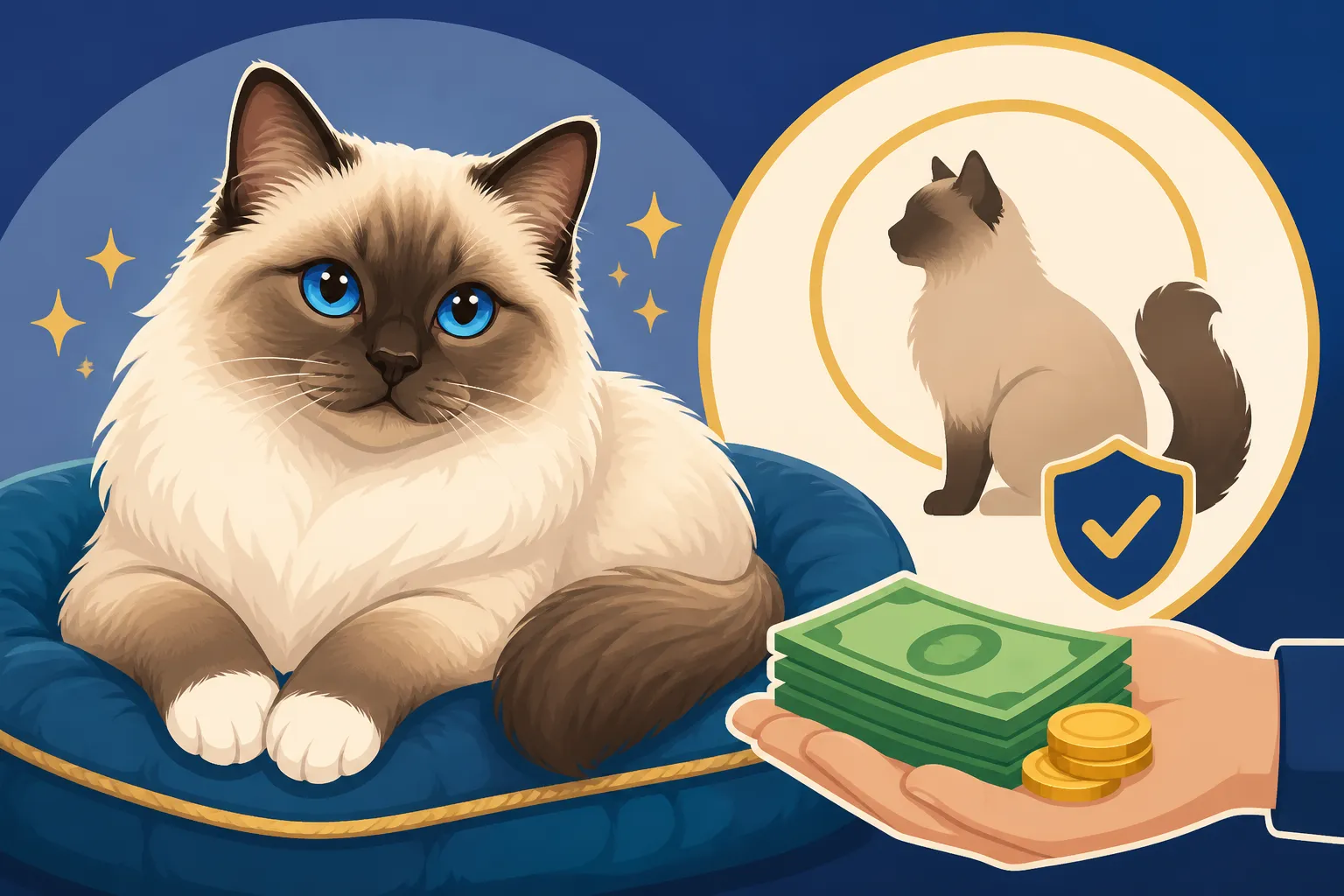
Generally, you can expect to pay anywhere from a few hundred dollars to perhaps a thousand or more for a retired Birman from a reputable breeder. This price point reflects the age, overall health, temperament, and the breeder’s investment in the cat’s lifetime care and health screenings. Queens, having carried litters, might sometimes be priced slightly differently than stud cats, but the difference is usually negligible compared to the overall care package. It’s a good idea to discuss this transparently with any breeder you approach. They should be able to explain their pricing structure and what it includes. Remember, a very low price might be a red flag, potentially indicating corners cut on health testing or lifelong care. Why a Cheap Birman Is Usually Untested applies to retired cats as much as it does to kittens.
| Factor | Kitten (Pet Price) | Retired Birman (Pet Price) | Notes |
|---|---|---|---|
| Initial Cost | Significant investment | Moderate investment | Retired cats are almost always less expensive than kittens. |
| Age | 12-16 weeks | 3-8 years (typically) | Mature personality, fewer "kitten antics." |
| Health Status | Parents tested | Fully tested, documented | Retired cats have a full health history, including their own personal health scans for conditions like HCM. |
| Spay/Neuter | Usually required later | Already done (or included) | Major cost and inconvenience often already handled by the breeder. |
| Vaccinations | Initial series | Up-to-date | Less immediate vet visits needed upon adoption. |
| Training | Litter/socialization | Fully litter-trained | Accustomed to home life, likely to adapt quickly without major training needs. |
| Show Quality | Potential for show | Often proven, titled | May have champion titles, reflecting adherence to breed standards, even if no longer showing. |
| Adjustment Period | Can be energetic | Generally calmer, quicker | Already socialized and adapted to household routines, making transition easier. How Long a Birman Takes to Settle After a Move can vary, but generally smoother. |
What the Fee Usually Covers
When you pay a rehoming fee for a retired Birman, you're not just buying a cat; you're contributing to the significant costs the breeder has already absorbed. This fee typically covers:
- Spay/Neuter Surgery: A major veterinary expense that the breeder has already taken care of.
- Up-to-Date Vaccinations: All required boosters are usually current.
- Microchipping: The cat will be chipped, and the breeder will help you transfer ownership details. Why a Birman's Chip Details Must Be Transferred to You is important for peace of mind.
- Comprehensive Health Screening: Years of genetic testing for conditions like PKD1 and regular cardiac screenings (echocardiograms) for HCM, ensuring the cat is as healthy as possible. How Often a Breeding Birman Needs Scanning for HCM is a significant cost.
- High-Quality Nutrition and Care: The cat has received premium food, supplements, and excellent daily care throughout its life, contributing to its robust health and beautiful coat.
- Paperwork: Registration papers, health records, and pedigree information.
- Breeder Support: Many breeders offer ongoing support and advice for the lifetime of the cat, a valuable resource for any new owner.
Think of it this way: you’re gaining a cat that has been an ambassador for the breed for years, nurtured with the utmost care, and is now ready to share its gentle nature purely as a companion. It's a comprehensive package that gives you a healthy, well-adjusted cat with a known background and personality.
Ongoing Costs After Bringing Home a Retired Birman
Bringing home any pet means anticipating ongoing expenses, and a retired Birman is no different. While the initial adoption fee might be lower than a kitten, planning for their lifetime care is crucial. These cats deserve consistent care to thrive in their retirement.
Initial Veterinary Checks and Settling-In Supplies
Even though your retired Birman comes with a thorough health history, a visit to your own veterinarian shortly after adoption is a good idea. This initial check-up allows your vet to establish a baseline, get familiar with your new cat, and address any transition-related stress or minor issues. Your vet will review the provided health records and might recommend additional tests depending on the cat's age and specific needs, such as a routine blood panel or dental check-up. Why a Birman's Kidneys Are Checked Before Any Anesthetic is especially pertinent for dental work.
Beyond the vet, you'll need to stock up on all the usual cat supplies: food bowls, water dishes (a fountain might encourage drinking, which is great for kidney health), a comfortable bed, scratching posts, and toys. Given the Birman's gentle nature, they often appreciate quiet, interactive toys. Which Toys Suit a Birman That Plays Quietly will be different from a high-energy breed. Don't forget a litter box that’s appropriately sized for their long, rectangular frame—Why a Birman Needs a Longer Box Than a Round Cat—and a low-dust litter to keep those beautiful white paws pristine. Brands like Chewy offer a wide variety of these essential supplies, often with convenient delivery right to your door.
Long-Term Health Care and Specialized Diets
As Birmans age, their health care needs will evolve. Regular veterinary check-ups, typically once a year for adult cats and more frequently for seniors, are essential. These visits will monitor their overall health, look for signs of common age-related conditions, and keep vaccinations up to date. You'll also want to keep an eye on their dental health; Why Gum Disease Creeps Up on a Birman is a concern for many cats, and regular dental care can prevent more serious issues.
Depending on your Birman's individual health profile, they might benefit from a specialized diet. For instance, if your cat has a history that suggests a predisposition to kidney issues (not uncommon in older cats, and certainly something to be aware of given the breed's ancestral links to the Persian), your vet might recommend a prescription renal diet. Which Prescription Diet a PKD Positive Birman Ends Up On focuses on supporting kidney function. A diet tailored to specific needs ensures your retired Birman gets the best possible nutrition to support their health. Investing in quality food and consistent vet care is paramount for their longevity and happiness.
Pet insurance is another consideration that can help manage unexpected veterinary costs, especially as cats get older. Companies like Healthy Paws offer various plans, and while some may have exclusions for pre-existing conditions, a robust policy can provide peace of mind for future health concerns. Whether Insurers Exclude HCM in a Birman is a good question to ask when researching policies. A retired Birman, with a known history and a full life ahead, is a truly special companion, and planning for their ongoing care allows you to cherish every moment with them.
Disclaimer
This article is for general informational purposes only and does not constitute professional advice. Laws, prices and regulations vary by location and change over time. Consult a qualified professional for guidance on your specific situation.