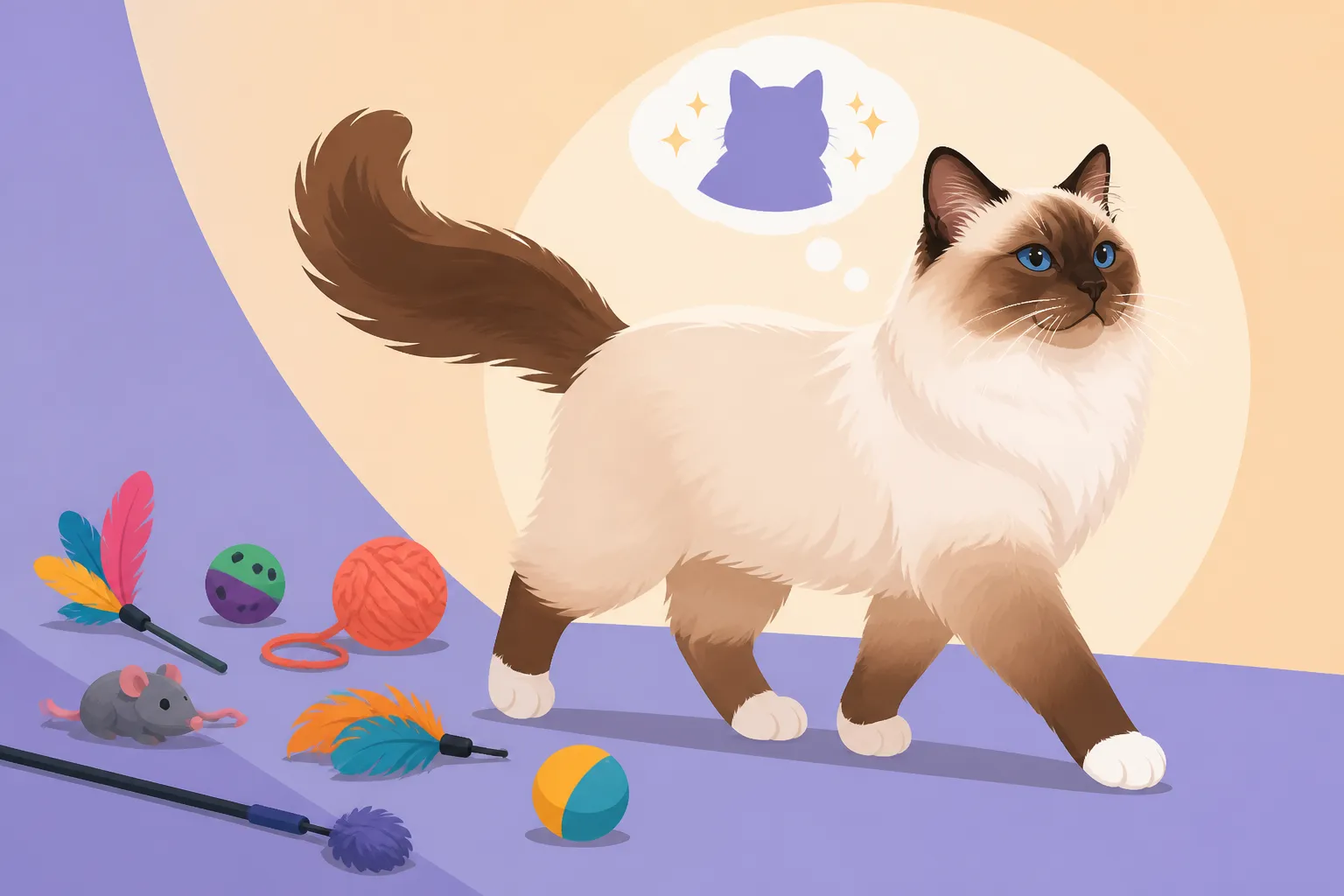
Why a Birman Walks Past Most Toys
It can be incredibly frustrating, can't it? You go out, spend your hard-earned money on what looks like the perfect cat toy – maybe it wiggles, maybe it jiggles, maybe it has feathers galore – only to bring it home, present it to your beloved Birman, and watch them give it a single, disdainful sniff before walking past as if it doesn't even exist. You're left wondering if your cat just doesn't like to play, or if you're somehow missing the secret handshake to unlock their inner hunter.
Well, you're not alone! Many Birman owners scratch their heads over this very issue. This guide is here to unravel the mystery of why your Birman often saunters right past a pile of tempting toys, helping you understand their unique play personality and, hopefully, guiding you towards finding the treasures that will spark their gentle interest.
Understanding the Birman's Unique Play Style
Before we can even begin to figure out why a toy might be ignored, it's essential to truly grasp the core nature of the Birman cat. These aren't your typical high-octane felines, and expecting them to behave like a perpetually bouncing kitten might be setting yourself up for disappointment. Their approach to life, and indeed to play, is far more refined and understated.
The Birman's Gentle and Observant Nature
Birmans are famously known for their serene and placid temperament. They embody a calm elegance that sets them apart from many other breeds. While a Siamese might be scaling curtains or vocalizing its demands for attention, and a Persian might be content to simply be a fluffy, regal lap ornament, the Birman occupies a wonderful middle ground. As we've often said, The Birman Sits Between the Siamese and the Persian, offering a blend of affectionate presence without the boisterous energy.
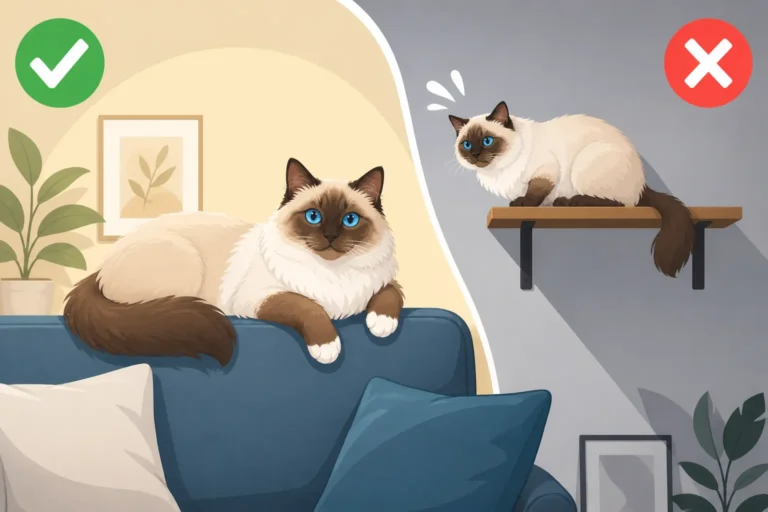
They are incredibly observant creatures. A Birman will often prefer to watch the world go by from a comfortable perch, soaking in the atmosphere of your home, rather than being the center of a whirlwind of activity. This isn't laziness; it's just their way. They find joy in quiet companionship and being near their humans. You'll often notice them following you from room to room, not demanding anything, but simply wanting to be in your orbit. Why a Birman Follows You Without Demanding Anything perfectly describes this characteristic. This inherent gentleness translates directly into their play. They're not usually driven by an intense prey drive that demands a frantic chase; instead, they appreciate subtlety and interaction.
What Motivates a Birman's Play
For a Birman, play isn't always about the thrill of the hunt or the conquest of a toy. More often than not, it's about the connection it provides. A toy becomes a prop, a facilitator for shared moments with their beloved human or even another furry companion. If you've ever tried to engage your Birman with a toy and found them staring at you more than the object itself, you've witnessed this firsthand.
Their play style is often described as gentle and refined. They’re less likely to shred a toy into oblivion and more likely to bat at it softly, carry it delicately in their mouth, or stalk it with a slow, deliberate grace. In fact, many Birman owners report that their cats play with their claws carefully sheathed, a testament to their mild manner. Why a Birman Plays Gently is a point often made about this breed. They might "fetch" a toy not to drop it at your feet for another toss, but rather to parade it proudly, perhaps laying it near you as a quiet offering. Whether a Birman Brings a Toy Back or Just Carries It highlights this distinction perfectly. So, when you're looking at a toy, think less about its capacity for wild excitement and more about its potential to foster a gentle, shared experience.
Common Reasons Birmans Ignore Toys
Now that we understand the Birman's gentle spirit, it becomes a little clearer why a generic, off-the-shelf cat toy might not hit the mark. It's not that they don't like to play, it's often that the toys themselves, or the way they are presented, just don't resonate with their particular preferences.
Overstimulation and Too Many Choices
Imagine walking into a store where every single item is on display, piled high and spilling over, with flashing lights and loud noises coming from every corner. It would be overwhelming, wouldn't it? For some Birmans, their play area can feel exactly like that. A large basket overflowing with every type of cat toy imaginable – plastic balls, fuzzy mice, crinkly tunnels, springy things – can actually be counterproductive.
Birmans, with their calm demeanor, can easily become overstimulated. A chaotic environment or an abundance of choices can make it difficult for them to focus on any one item. Instead of engaging, they might simply survey the scene, find it all a bit much, and decide it's easier to just walk away. The novelty wears off quickly when everything is constantly available, and nothing feels special or new. If your Birman seems to glance at a pile of toys and then turn its back, it might be a subtle sign that the sheer volume of options is overwhelming their gentle senses. It’s not disinterest in play, but rather a disinterest in that particular cluttered play experience.
Toys That Don't Engage Their Instincts
Not all cat toys are created equal, especially when catering to a breed with specific instincts like the Birman. Many mass-produced toys are designed for cats with a high prey drive – the ones who love to pounce, shred, and chase at lightning speed. These often include loud, battery-operated toys that zip across the floor, or bouncy balls that spring unpredictably.
For a Birman, these types of toys can be more startling than engaging. Their hunting instincts are typically softer, geared towards slow stalks and gentle catches rather than aggressive tackles. A toy that's too noisy, moves too erratically, or is simply too "much" can make them retreat rather than engage. They might find hard plastic toys unappealing due to texture, or perhaps the sheer speed of an automated toy makes it impossible for their gentle play style to feel successful. They're less likely to be captivated by something that mimics a frantic mouse and more by something that flutters gracefully or slides slowly, allowing them to engage their senses without feeling rushed or overwhelmed.
Lack of Interaction from Their Human
This is perhaps one of the most significant reasons why a Birman might ignore toys. A Birman's heart truly lies with its people. While a toy might be intrinsically interesting to some cats, for a Birman, the toy often serves as a conduit for human interaction. If a toy is simply lying on the floor, dormant and unmoving, it often holds little appeal.
Think about it: who would you rather play with? An inanimate object, or someone who engages with you, makes the game fun, and shares the experience? Your Birman feels the same way. They want you to animate the feather wand, to hide the crinkle ball, or to gently roll the soft mouse. When you’re involved, the toy comes to life, becoming part of a shared activity that strengthens your bond.
Without your participation, a toy is just… a toy. A Birman needs consistent, gentle play sessions to feel engaged. Even a few minutes a day of focused, interactive play can make a world of difference. How Much Play a Birman Needs Daily often boils down to quality over quantity when it comes to interaction. If they’re left with a room full of toys but no one to play with, they might simply settle down for a nap, waiting for you to initiate the fun.
Choosing Toys That Spark a Birman's Interest
So, how do you bridge the gap between your well-intentioned toy purchases and your Birman's gentle play preferences? It's all about understanding their nature and selecting items that align with what truly brings them joy and engagement.
Prioritizing Interactive and Engaging Toys
The golden rule for Birman toys is interaction. Anything that involves you, the human, in the play experience is generally going to be a winner.
- Wand Toys are Your Best Friend: Seriously, if there's one toy type to invest in, it's a good quality wand toy. These allow you to control the movement, mimicking slow, fluttering birds or scurrying bugs. You can make the 'prey' dart, hide, and re-emerge, which appeals to their stalking instincts without being too aggressive. Look for wands with real feathers, soft fabric strips, or small, dangling plushies. Remember, Which Wand Toys Move Slowly Enough for a Birman is key – erratic, fast movements can be off-putting. Many excellent options are available on Amazon.
- Small, Soft Prey Toys: Think light, easy-to-bat, and even easier to carry. Fuzzy mice, crinkly balls, soft fabric knots – these are ideal. They satisfy a Birman's instinct to "catch" and transport their prey gently. Avoid hard plastic or overly large toys. Many Birmans also love simple, crumpled pieces of paper or foil balls that they can bat around.
- Puzzle Feeders (The Right Kind): While Whether a Puzzle Feeder Interests a Birman at All can vary, a simple, low-frustration puzzle feeder can provide mental stimulation without high energy. Choose ones where the treats are easy to get out with a few gentle swipes, rather than complex labyrinths. This allows them to "work" for a reward and engage their problem-solving skills in a calm way.
- Laser Pointers (with a caveat): These can be fun, but they must always end with a tangible reward. Chasing a red dot that can never be caught can lead to frustration. After a few minutes of laser play, immediately switch to a wand toy or toss a treat so they can experience the satisfaction of a "catch."
Rotation and Novelty: Keeping Things Fresh
Even the most perfect toy can become boring if it's always available. Cats, Birmans included, thrive on novelty. Imagine eating the same meal every single day – eventually, you'd lose your appetite!
- The Toy Rotation Strategy: Don't leave all your Birman's toys scattered around the house constantly. Instead, have a selection of 3-5 toys available for a few days, then swap them out for a different set. Keep the 'retired' toys stored away, perhaps in a small basket or box where they can't be seen or reached. When you reintroduce a toy after a week or two, it will feel fresh and exciting again. This is a simple, cost-effective way to keep their interest piqued. You can even find decorative toy storage baskets on Amazon that blend into your home decor.
- Introducing Newness Gradually: When you do buy a truly new toy, introduce it calmly. Let your Birman sniff it, bat at it gently, and explore it at their own pace. Don't force interaction. The goal is to build curiosity, not overwhelm them. Remember, for a Birman, even slight changes to their environment can be noted, and they prefer a steady routine. If your Birman tends to get stressed when the house changes, What a Stressed Birman Does can include withdrawing from play, so approach new items with sensitivity.
Considering Their Comfort and Preferences
Ultimately, your Birman is an individual with its own unique likes and dislikes. Paying close attention to what they respond to is paramount.
- Texture Matters: Most Birmans seem to prefer soft, plush textures over hard, noisy plastic. Think about toys that feel good in their mouth or against their paws. Crinkly sounds within soft fabrics can be a hit.
- Appropriate Size: The toy shouldn't be so large that it's intimidating or difficult to manipulate, nor so tiny that it's easily lost or presents a choking hazard. Something they can easily bat, carry, or gently "kill" with their paws is usually ideal.
- Safety First: Always check toys for loose parts, strings, or anything that could be swallowed or cause entanglement. Even the most placid Birman can sometimes get into mischief.
- Observe Their Undeniable Favorites: What does your Birman actually play with? Is it a stray hair tie, a crumpled receipt, or an old shoelace? These mundane items can offer clues to their preferences. Maybe it's the texture, the size, or the way it moves. Sometimes, the simplest things bring the most joy. A good sturdy cardboard box, for instance, can provide hours of fun for exploration and hiding – a perfect simple option that you might even find on Amazon if you're looking for a dedicated cat tunnel system.
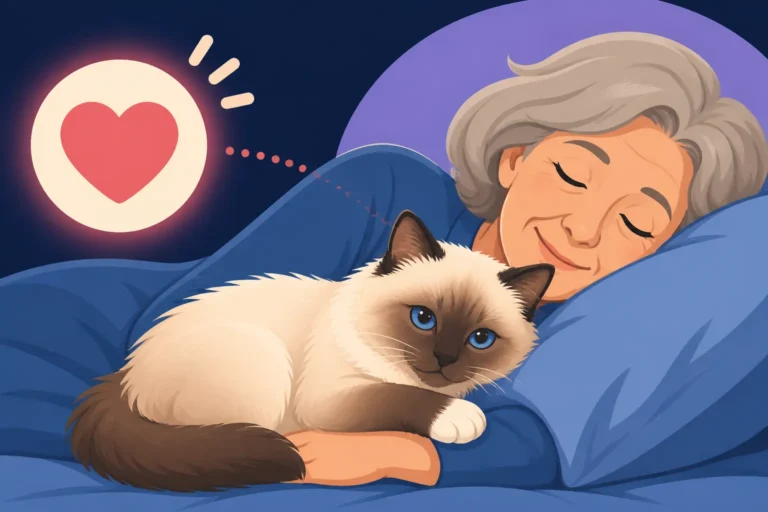
- Remember the Importance of Company: At the end of the day, a Birman often prefers company to toys alone. While you're working on finding the perfect toy, remember that simply being present and offering gentle affection is often their favorite form of enrichment. Why a Birman Needs Company More Than Stimulation is a core truth about this loving breed. Even a senior Birman appreciates a quiet moment of play; How a Birman's Play Changes at Seven shows that their playful spirit endures, even if the intensity mellows.
It’s about quality, not quantity, and presence, not just props. By understanding the Birman's gentle soul and adapting your play strategy, you'll find that those toys won't be ignored for long.
| Toy Type | Birman Interest Level | Why It Works (or Doesn't) |
|---|---|---|
| Feather Wand Toys | High | Interactive, mimics slow prey, involves human. |
| Soft Crinkle Balls | Medium-High | Light, easy to bat, gentle sound, can be carried. |
| Laser Pointer (with treat) | Medium | Engages chase instinct, but needs tangible reward to avoid frustration. |
| Automated Moving Toys | Low-Medium | Can be too fast/loud, lacks human interaction, less engaging. |
| Sturdy Cardboard Boxes | High | Simple, safe, provides hiding/exploration, free entertainment. |
| Hard Plastic Balls | Low | Often ignored, less satisfying texture, can be noisy. |
Disclaimer
This article is for general informational purposes only and does not constitute professional advice. Laws, prices and regulations vary by location and change over time. Consult a qualified professional for guidance on your specific situation.