When a Birman’s White Feet Force a Bath
Ah, the beautiful Birman! We adore these cats for so many reasons, not least their stunning coats and those iconic pure white "gloves" on their paws. But let's be real: those pristine white feet can be a magnet for every speck of dirt, every stray piece of litter, and every accidental puddle. This guide is all about navigating the sometimes-messy reality of keeping those precious Birman gloves sparkling, and what to do when a simple wipe just won't cut it and a bath becomes a necessity.
The Birman's Unique Coat and Why it Matters for Baths
When you look at a Birman, the first thing that often catches your eye (after those captivating blue eyes, of course!) is that gloriously flowing coat. It's long, it's luxurious, and it looks like it would be a nightmare to maintain. Yet, most Birman owners will tell you a secret: it’s surprisingly easy to care for! This unique coat characteristic is precisely why bathing a Birman isn't a weekly chore, but rather an occasional necessity, often sparked by those beautiful white feet.
Understanding the Birman's Silky Single Coat
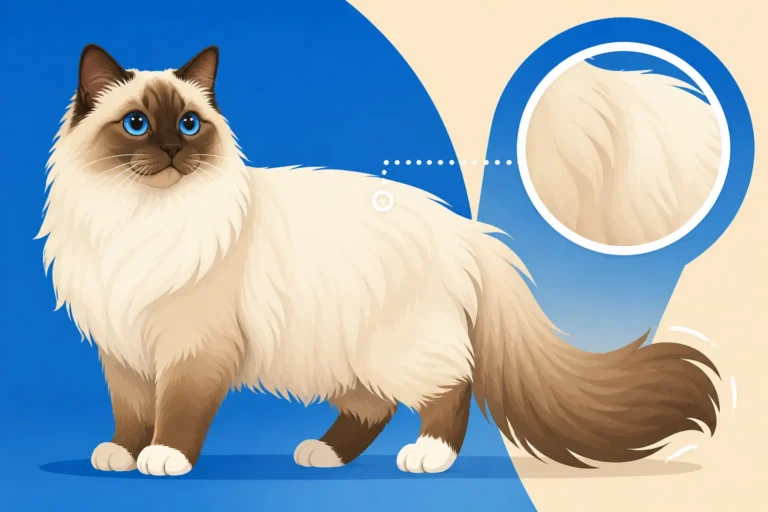
Unlike many other long-haired breeds, the Birman boasts a single coat. What does that mean exactly? It means they lack the dense, woolly undercoat that other breeds, like Persians, possess. This is a game-changer for grooming. That single layer of fur is incredibly soft and silky, feeling almost like rabbit fur to the touch. It lies flat against the body, draping beautifully, especially around the neck where it forms a magnificent ruff, and on the tail, creating a lovely plume. Because there’s no underlying woolly layer to tangle with, the Birman’s coat is far less prone to matting than its appearance might suggest. You might be surprised to learn that No Undercoat Is What Makes a Birman Easy to Groom. This makes day-to-day brushing a breeze, usually a quick, enjoyable session rather than a wrestling match.
This distinctive coat texture means that while they might shed, the hairs themselves are fine and don't clump or knot easily. When they do shed, you'll find long, delicate white hairs, especially from their beautiful ruff and belly, rather than heavy tufts of undercoat. It’s a joy to run your fingers through, and your Birman probably loves it too.
How a Birman's Coat Differs from Other Longhairs
If you've ever had a Persian or a Maine Coon, you'll know the commitment involved in daily, rigorous grooming to prevent mats. The Birman, bless its heart, demands a far gentler approach. Their coat simply doesn't hold onto dirt and tangles in the same way. How a Birman's Coat Differs From a Ragdoll's is a great example – while both are long-haired and docile, the Ragdoll often has a denser, double coat that requires different grooming strategies. The Birman's single coat slips and slides, making it difficult for knots to truly take hold.
This characteristic is a huge part of the breed's appeal. Owners get the beauty of a long-haired cat without the immense grooming burden. It also means that when they do get dirty, particularly on those white paws, the dirt often sits on the fur rather than burrowing deep into a dense undercoat, making cleaning efforts generally more effective. However, "effective" doesn't always mean easy, especially when the stain is stubborn or widespread.
The Myth of the "Self-Cleaning" Cat and Reality
Cats are renowned for their meticulous self-grooming habits. They spend a significant portion of their waking hours licking and preening, keeping themselves remarkably clean. For a Birman, with its smooth, single coat, this is often sufficient for maintaining overall hygiene. You’ll rarely find a Birman looking truly disheveled, even if you skip a day or two of brushing. Their placid nature also means they often lie still for grooming sessions, which helps keep their coat in top condition. Why a Birman Lies Still While You Comb It is a testament to their easy-going temperament.
However, even the most diligent feline groomer has its limits. While they might do a fantastic job on their body, reaching certain areas, like the very tips of their pristine white paws, can be a challenge. And let's be honest, cats aren't always equipped to deal with every kind of mess. Mud, sticky substances, certain types of litter, or even an unfortunate encounter with something spilled on the floor are simply beyond the scope of a tongue bath. This is where the myth of the perfectly "self-cleaning" cat breaks down, especially for a Birman whose calling card is those dazzling white feet.
The Challenge of Keeping White Gloves Pristine
The Birman's "gloves" are more than just a beautiful trait; they're a defining characteristic of the breed, described in breed standards and cherished by owners. They're meant to be pure white, ideally symmetrical, and extend neatly across the paws. But this beautiful feature also makes them a notorious target for grime, turning them into little white indicators of whatever mischief your cat has been up to.
Common Culprits for Dirty Birman Feet
Life with a Birman often involves a constant vigil over those white paws. They’re like tiny white socks that show every smudge! The most obvious culprit, of course, is plain old dirt from tracking across floors, especially if you have a catio or an adventurous indoor Birman who explores dusty corners. Even stepping in a small spill, like a drop of coffee or a bit of food, can leave a noticeable mark.
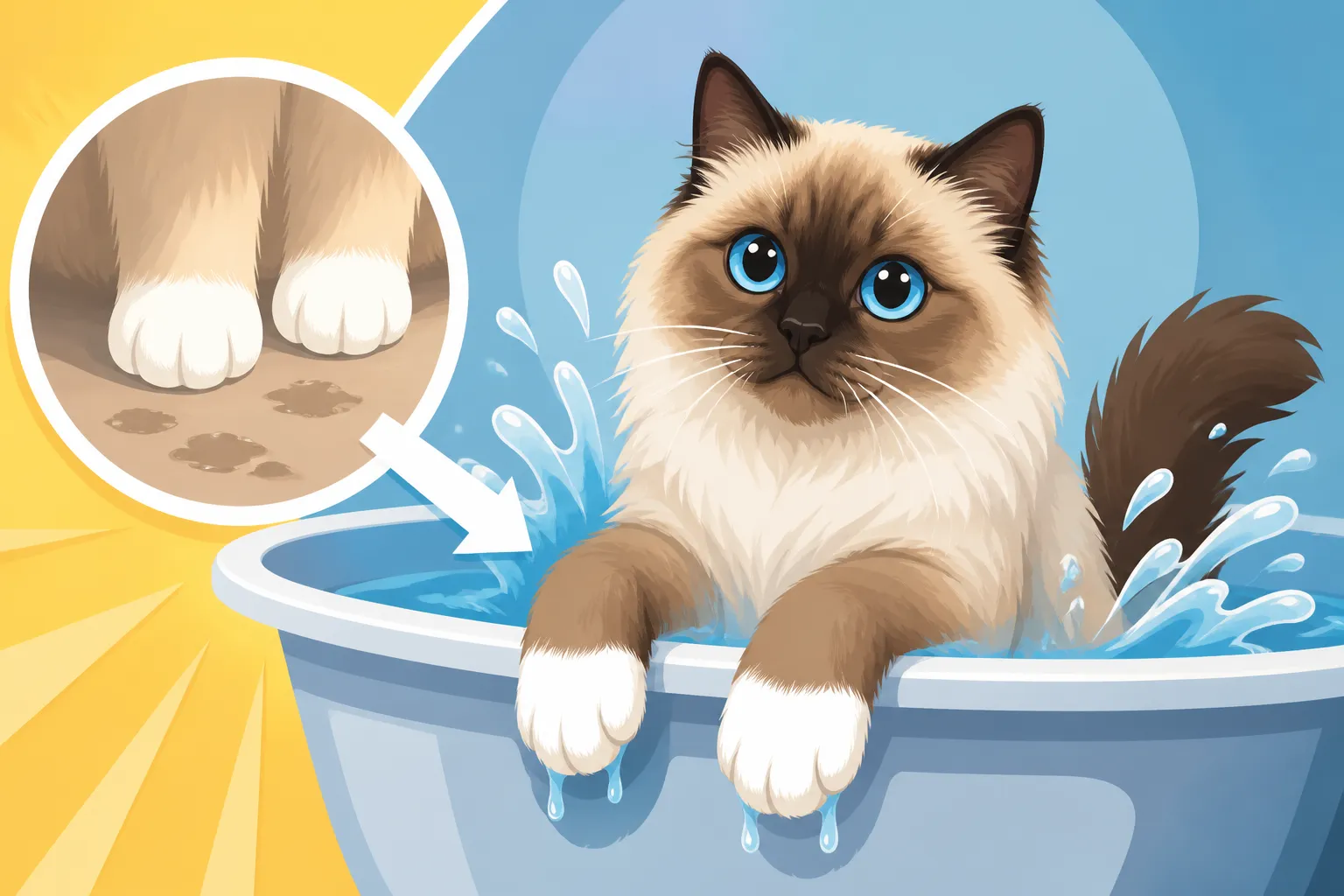
Beyond general household dirt, there are other, more insidious offenders. Sometimes, our Birmans decide to play in something a bit stickier or trek through something unpleasant. Think about walking through a freshly cleaned floor with residual cleaner, stepping in a dropped piece of damp food, or worse, having a "miss" in the litter box that ends up on a paw. Even something as seemingly innocuous as stepping in a water bowl can leave a residue that picks up dust, eventually turning those bright white gloves into a rather sad shade of grey or yellow. Why a Birman's Gloves Go Yellow often comes down to persistent staining from everyday grime.
Why Dusty Litter Ruins a Birman's Gloves
This is arguably the number one enemy of white Birman gloves: dusty cat litter. You might think all litter is created equal, but for a white-gloved cat, it absolutely is not. Imagine those fine, silken hairs on their paws. Every time your Birman steps into a dusty litter box, tiny particles cling to those hairs like magnets. As they exit the box, some of that dust is tracked out, but a lot of it remains. Over time, this constant exposure to fine dust, often containing clay or other absorbent materials, embeds itself into the white fur.
The result? Those beautiful gloves start to look dingy, grey, or even distinctly yellowish, regardless of how often your Birman licks them. It's not just an aesthetic issue; constant dust can also irritate their paw pads and be inhaled, though that's a less common concern. The frustration of seeing a gorgeous, perfectly marked Birman with dull, dirty feet is something many owners know all too well. It’s why selecting the right kind of litter is such a crucial part of Birman care. Which Litter Suits a White Gloved Cat delves into this topic with much more detail.
Daily Spot Cleaning vs. Stubborn Stains
So, your Birman has a smudge on a glove. What's your first line of defense? Spot cleaning, naturally! For minor scuffs or fresh dirt, a damp cloth or a pet-safe wipe can work wonders. Many owners keep a stash of these near the litter box or high-traffic areas. A quick wipe down, a gentle rub, and usually, the small stain is gone. This is a routine many Birman owners adopt, checking paws daily, especially after a litter box visit, and gently cleaning as needed.
However, there's a point where spot cleaning just doesn't cut it. Maybe it's dried mud that's crusted deep, or a sticky residue that’s spread, or that persistent litter dust that has gradually dyed the fur a uniform grey. These are the stubborn stains that resist a simple wipe. You rub, you scrub gently, and it just stays there. When you find yourself reaching for the cloth repeatedly, applying more pressure, and getting nowhere, that's often your first clue that you're moving beyond routine maintenance and into the territory of needing a more significant intervention. It's the sign that the surface dirt has become deeply embedded grime.
Recognizing When a Bath is Truly Necessary
Let's face it, most cats aren't thrilled about baths, and Birmans, while generally placid, are no exception. No one wants to put their beloved feline through an unpleasant experience unless it's absolutely essential. So, how do you know when you've crossed the line from "I can manage this with a damp cloth" to "okay, we need a full-on bath"? It's a judgment call, but there are clear indicators.
When to Wash a Birman's White Feet
The primary trigger for a Birman bath often revolves around those magnificent white gloves. If the white fur on their paws has become dull, stained yellow, grey, or brown, and repeated spot cleaning attempts have failed, it's time to consider a paw bath or even a full lower leg soak. This isn't just about aesthetics; heavily soiled fur can sometimes become matted or even irritate the skin underneath, especially if the staining is from something caustic or sticky.
Imagine your Birman's usually pristine front paw. It's now a muddy brown from an unexpected puddle in the garden (even indoor cats find ways to get into things!), or permanently discolored from a cheap, dusty litter. If that discoloration is deep-set, extends beyond the immediate paw pad area, or covers all four paws, a focused wash is the most effective solution. This is especially true if you plan to enter your Birman in a show; pristine gloves are paramount. For the average pet owner, it's about comfort and cleanliness for your cherished companion.
Beyond Mud: Other Reasons for a Full Bath
While soiled paws are the most common instigator, there are other scenarios where a full bath becomes unavoidable, even for a Birman.
- Sticky or Oily Substances: If your Birman manages to get into something sticky like sap, tar, paint, or a significant amount of cooking oil, attempting to remove it with just a brush or wipes can spread the mess, pull on their fur, and be incredibly frustrating. These substances often require a proper shampoo to break down and lift away.
- Flea Infestation (Vet-Recommended Shampoo): While prevention is key, a severe flea infestation might, in consultation with your vet, necessitate a bath with a flea-specific shampoo. This is usually a last resort and should always be done under professional guidance.
- Allergies or Skin Conditions: Sometimes, a vet might recommend medicated baths for a Birman suffering from certain skin allergies or conditions. This isn't about cleanliness in the traditional sense, but about therapeutic treatment.
- Unpleasant Odors: If your Birman somehow acquires a truly unpleasant odor (perhaps an unfortunate encounter with something stinky outdoors, or an accidental rolling in something foul), a bath might be the only way to make them cuddly again. Their placid nature means they might not complain vocally, but you certainly will notice the smell!
- Neglected Coat with Matting: Although Birmans are Why a Birman Mats Far Less Than It Looks Like It Should, if grooming has been severely neglected (perhaps due to illness, or an owner unable to cope), some mats can still form, particularly in the ruff, armpits, or britches. While spot cutting is often the first step, a bath can help loosen minor matting before removal, or reveal hidden mats once the coat is wet and flat. How to Get a Mat Out of a Birman's Coat can be a difficult process, and sometimes a bath is an aid.
Assessing the Severity: Is it a Spot or a Soak?
Before you even think about running the water, take a moment to assess the situation. Is the mess confined to one small area on one paw, or is it a widespread issue affecting multiple paws or even parts of their body?
- Spot Treatment: If it's a small, fresh smudge on a single glove, grab a damp cloth or a pet-safe cleansing wipe (many brands are available on Chewy or Amazon). Gently rub the area, being careful not to pull on the fur. Often, this is enough. You might even use a small amount of cornstarch or baking soda on a dry stain, let it absorb any grease, and then brush it out. This method is quick, causes minimal stress, and is usually sufficient for minor incidents.
- Targeted Soak/Paw Wash: If several paws are affected, or the staining on the gloves is stubborn and deep-set from litter dust, you might only need to wash their feet and lower legs. This involves carefully placing your Birman into a shallow sink or tub, only wetting the paws and lower limbs. This is less stressful than a full bath, easier to manage, and often completely resolves the specific issue of dirty gloves.
- Full Bath: This is reserved for those scenarios where the cat is truly filthy, sticky, or smelly all over. If your Birman has managed to get into paint, motor oil, or something equally pervasive, then a full bath is the only viable option. Remember, the goal is always to use the least invasive method necessary to get the job done.
The Birman Bathing Process: Gentle Care is Key
Alright, you've assessed the situation, and it's clear: a bath (or at least a paw bath) is on the cards. Now comes the actual process. Birmans are known for their calm demeanor, which can be a huge asset here. However, even the most placid cat can become a tiger when faced with water. Preparation and a gentle, reassuring approach are your best friends.
Gathering Your Supplies for a Stress-Free Experience
Before you even think about turning on the tap, make sure you have everything you need within arm's reach. Rushing around for a towel halfway through will only escalate your Birman's anxiety.
Here's a checklist of essentials:
- Cat-Specific Shampoo: This is non-negotiable. Human shampoos are too harsh and can strip essential oils from your cat's skin and fur, leading to dryness and irritation. Look for a gentle, tear-free formula. Brands like Earthbath or Burt's Bees (available on Chewy or Amazon) offer good options. If targeting white paws, some shampoos are specifically formulated for "whitening" but use caution to avoid anything too harsh. Which Shampoo Keeps a Birman's Gloves White will give you more specific guidance.
- Plenty of Towels: Have at least two or three large, absorbent towels ready. One for wrapping immediately after the bath, and others for continued drying.
- Rubber Mat or Towel for the Tub/Sink: This provides traction, preventing your Birman from slipping and feeling insecure in the water.
- Large Cup or Pitcher: For rinsing. A handheld shower sprayer (if you have one) is even better.
- Cotton Balls: For gently placing in your Birman's ears to prevent water from entering, which can lead to ear infections.
- Washcloth: For gently cleaning around their face, avoiding eyes and ears.
- Treats: High-value treats are a must for positive reinforcement!
- Comb: A wide-toothed comb or a specialized Birman comb (not a slicker brush, which can damage their silky coat) for post-bath detangling. You can find excellent options on Amazon.
- A Helper (Optional but Recommended): If possible, enlist a calm friend or family member to help hold and soothe your Birman. One person can focus on washing, the other on comforting and preventing escape.
| Item | Purpose | Why it's Important for Birmans |
|---|---|---|
| Cat Shampoo | Cleans fur, removes dirt/oils | Human shampoo strips oils; cat-specific is pH-balanced & safe. |
| Multiple Towels | Absorb water, provide warmth and comfort | Birmans get cold easily without undercoat; quick drying is key. |
| Rubber Mat/Towel | Provides grip in tub/sink | Prevents slipping, reduces anxiety and risk of injury. |
| Rinsing Cup/Sprayer | Gentle, controlled rinsing | Avoids direct water pressure, minimizes fear, ensures thorough rinse. |
| Cotton Balls | Protects ears from water | Prevents ear infections, especially in long-haired breeds. |
| Washcloth | Gentle facial cleaning | Safely cleans delicate face areas, avoids eyes/nose. |
| High-Value Treats | Positive reinforcement, distraction | Rewards good behavior, helps build positive associations with baths. |
| Comb | Detangles wet fur, prevents mats | Essential for maintaining their single, silky coat post-wash. |
| Helper | Extra hands for holding and comforting | Reduces stress for both cat and owner, increases safety. |
The Step-by-Step Guide to Bathing Your Birman
With all your supplies ready and your Birman (hopefully) still unsuspecting, it's time to begin. Remember, calm energy is contagious!
- Pre-Bath Brush: Give your Birman a good brush before getting them wet. This helps remove any loose fur and tangles that might tighten when wet. Combing a Birman Three Times a Week is a good habit anyway, but especially important before a bath.
- Water Temperature: Fill the tub or sink with a few inches of lukewarm water – test it on your wrist. It shouldn't be too hot or too cold. Ensure the rubber mat is at the bottom.
- Place Your Birman Gently: Carefully place your Birman into the water. Speak in a soothing voice. If they only need a paw bath, only immerse their feet. For a full bath, wet them from the neck down, avoiding their head.
- Wet the Coat: Using your cup or sprayer, thoroughly wet your Birman's coat. Start from the shoulders and work your way down. Their single coat wets quite quickly.
- Apply Shampoo: Apply a small amount of cat shampoo to your hands, lather it gently, and then work it into their fur. Focus on the dirty areas, like those white gloves. Be very careful around the face; use a damp washcloth for that area.
- Rinse, Rinse, Rinse: This is crucial! Cats hate feeling sticky, and any residue can irritate their skin. Rinse thoroughly with lukewarm water until the water runs clear and you can no longer feel any slipperiness in their fur. Pay extra attention to the belly and britches.
- Final Paw Rinse: For those white gloves, give them an extra rinse to ensure all soap residue is gone.
Throughout this process, keep talking to your Birman, praising them, and offering those high-value treats whenever they tolerate the water well.
Safe and Effective Drying Techniques
Once the washing is done, the drying process is just as important, especially for a Birman whose coat can get quite cold without an undercoat.
- Towel Dry Vigorously: Immediately wrap your Birman in a thick, absorbent towel. Gently but firmly rub and squeeze as much water out of their fur as possible. Change to a fresh, dry towel if the first one becomes saturated. You'll be amazed how much water a Birman's coat can hold, even without a dense undercoat.
- Air Dry (in a warm room): For many Birmans, vigorous towel drying followed by air drying in a warm, draft-free room is sufficient. Their single coat dries faster than you might expect.
- Hair Dryer (with caution): If your Birman tolerates it, a pet-specific hair dryer (on a low, cool setting) can speed up the process. Never use a human hairdryer on a hot setting, as it can burn their delicate skin. Keep the dryer moving constantly, and never point it directly at their face. Start with the lowest setting and gauge their reaction. Again, treats and praise are key here.
- Gentle Combing: Once their coat is damp, use your wide-toothed comb to gently work through their fur, removing any potential tangles. This is much easier to do when the coat is damp rather than bone dry. Combing a Birman three times a week will keep the coat in good shape and help with post-bath detangling.
After the bath, your Birman might be a bit sulky, but their gloves should be gleaming white once more! Offer them a quiet, warm spot to relax, and maybe a few extra snuggles (and more treats!) for their bravery.
Post-Bath Care and Ongoing Prevention
A bath is a temporary fix for a problem that can quickly return if you don't adjust your routine. The goal is to minimize the need for future full baths, especially for those beautiful white gloves. This means focusing on preventative measures and consistent daily care.
Choosing the Right Litter to Protect White Gloves
This is perhaps the single most impactful change you can make to keep your Birman's white feet pristine. Dusty litter is the enemy, plain and simple. Switching to a low-dust or dust-free formula can drastically reduce the grey or yellow staining on their paws.
Consider these options:
- Pelleted Litters: These often have very little dust. Wood pellets or paper pellets are great choices. They might feel different underfoot for your Birman, so introduce them gradually.
- Silica Gel Litters: These are also typically low-dust and highly absorbent.
- Certain Clay Litters: Not all clay litters are created equal. Look for brands specifically advertised as "99.9% dust-free." Some brands available on Chewy or Amazon are better than others. Read reviews from other long-haired cat owners!
- Large Granule Litters: Sometimes, a litter with larger, heavier granules produces less airborne dust and is less likely to cling to fine fur.
Beyond the type, consider the depth of the litter. A shallower layer might mean more paw contact with the bottom of the box, potentially leading to dirtier feet if not cleaned regularly. A deeper layer might help them bury their waste without touching the bottom, but could also mean more litter tracked out. It’s a balance. Also, make sure to scoop frequently – at least twice a day. A clean box means less chance of your Birman stepping in something unpleasant. Why Dusty Litter Ruins a Birman's Gloves cannot be overstated.
Regular Grooming to Prevent Future Baths
Consistent daily or every-other-day grooming is your best defense against deep-seated dirt and mats. Even though Birmans have a forgiving single coat, regular attention is still vital.
- Targeted Brushing: Focus on those white gloves. A gentle, fine-toothed comb can help dislodge any trapped litter particles or surface dirt. You don’t need a slicker brush; a simple metal comb with varying tooth widths is often perfect. You can find these easily on Chewy or Amazon.
- Paw Wipes: Keep a stash of pet-safe paw wipes handy. Make it a routine to quickly wipe down your Birman's paws after they use the litter box or come in from an adventurous exploration. This proactive approach stops dirt from setting in.
- Check Between Toes: Don't forget the areas between their paw pads. Small debris or even tiny mats can form here, and your Birman might not be able to clean them effectively. How Often to Check Between a Birman's Toes is a good habit.
- Full Body Combing: Even if your Birman isn't prone to matting, Combing a Birman Three Times a Week with a suitable comb helps distribute natural oils, removes loose hair (which reduces hairballs!), and keeps their coat in superb condition. This overall cleanliness helps prevent other areas of the coat from becoming dirty and requiring more extensive cleaning. What Fifteen Years of a Birman's Coat and Feet Takes is a long-term commitment, but rewarding.
Environmental Management for a Cleaner Cat
Sometimes, preventing dirty paws means looking at the environment your Birman lives in.
- Clean Floors: Simply keeping your floors clean can make a huge difference. Regular sweeping and mopping will reduce the amount of dust and grime your Birman can track through.
- Litter Mat: Place a good quality litter mat outside the litter box. These mats are designed to trap litter from your cat's paws as they exit the box, preventing it from being tracked throughout the house.
- Limited Outdoor Access: While some Birmans enjoy a supervised catio, fully outdoor access significantly increases the chances of dirty paws, not to mention other dangers. An Why an Indoor Birman Reaches Sixteen More Often also tends to have cleaner paws!
- Food and Water Area: Keep the area around food and water bowls clean. A mat under the bowls can catch spills, preventing your Birman from stepping in wet food or water and then tracking it elsewhere. Consider bowls that don’t dip too much into their ruff to avoid food getting stuck in their chin fur and then transferred to their paws during grooming. How Much Wet Food a Birman's Kidneys Are Worth Paying For should also come with a clean eating area!
By taking these proactive steps, you can drastically reduce the frequency of full baths for your Birman, keeping those beautiful white gloves shimmering for longer.
Beyond the Feet: Other Grooming Needs
While the focus here has been on those often-problematic white feet and the occasional bath, it's important to remember that a Birman's overall health and happiness rely on a comprehensive grooming routine. Their beautiful coat, specific breed characteristics, and general feline needs all play a part.
Combing for a Mat-Free Coat
Even with their "easy-care" single coat, regular combing is absolutely essential for a Birman. We've talked about how their lack of undercoat means less matting than, say, a Persian, but "less" doesn't mean "never." Mats can still form, particularly in friction areas or if grooming is neglected for too long. Common trouble spots include:
- The Ruff: The magnificent mane around their neck is glorious, but it's long and can tangle, especially if they wear collars or rub against furniture frequently.
- Armpits and Behind the Ears: These are high-movement areas where friction can cause fur to knot.
- Britches (Pants): The longer fur on their hind legs can also mat, especially if it comes into contact with litter or anything damp.
- Belly: If your Birman is particularly fond of rolling around or has a more portly physique, the fur on their belly can tangle.
A good combing session two to three times a week using a wide-toothed metal comb or a special Birman rake (not a slicker brush, as these can pull and damage their delicate guard hairs) is usually sufficient. Always work in sections, gently teasing out any small knots rather than pulling. Working a Comb Through a Birman's Ruff in Sections can make the process much smoother for both of you. This routine not only prevents painful mats but also distributes natural skin oils, removes loose hair, and reduces the likelihood of hairballs.
Dental Health for the Birman's Narrow Jaw
Dental care is one of those often-overlooked aspects of cat ownership, but it's incredibly important for Birmans. Many purebred cats, including Birmans, can be prone to dental issues, partly due to genetics and sometimes due to jaw structure. Birmans often have a somewhat narrow jaw, which can lead to teeth crowding and make them more susceptible to plaque and tartar buildup.
Left unchecked, dental disease can lead to painful gum inflammation (gingivitis), tooth decay, infections, and even systemic health problems as bacteria from the mouth can enter the bloodstream. No cat parent wants their Birman to suffer in silence!
Ideally, you should aim to brush your Birman's teeth several times a week, if not daily. Start when they are kittens to get them used to the process – How to Introduce a Toothbrush to a Birman Kitten is a vital early step. Use a cat-specific toothbrush (tiny heads designed for feline mouths) and an enzymatic cat toothpaste (never human toothpaste). If daily brushing isn't feasible, dental treats, water additives, or specialized dental diets (available at your vet or on platforms like Chewy) can help, but they are generally not a substitute for brushing. Regular vet check-ups will also include an assessment of their dental health, and your vet may recommend professional cleanings under anesthesia if tartar buildup becomes significant. How Often a Birman's Teeth Come Off the Vet's List is a question every owner should ask.
Nail Trimming: An Often Overlooked Detail
Even the most gentle and placid Birman has sharp claws! Regular nail trimming is important for several reasons:
- Preventing Overgrowth: Untrimmed nails can grow too long, curve, and eventually grow into the paw pads, causing pain, infection, and difficulty walking.
- Protecting Furniture (and You!): Shorter nails mean less damage to your sofa and less accidental scratching during playtime or cuddles. How Rarely a Birman Puts a Claw Into Anyone means they rarely scratch maliciously, but accidents happen.
- Comfort: Long nails can get caught on carpets or other surfaces, which can be startling and uncomfortable for your cat.
You should aim to trim your Birman's nails every 2-4 weeks. This might sound daunting, but with a calm approach, a good pair of cat nail clippers (easily found on Amazon), and plenty of treats, it can become a routine part of your grooming schedule. Start by gently pressing on their paw pads to extend the claws. Only snip the very tip, avoiding the quick (the pink part inside the nail that contains blood vessels and nerves). If you accidentally cut the quick, it will bleed and be painful, so it’s always better to take off too little than too much. If you're unsure, ask your vet or a professional groomer to show you how. Trimming the Claws Inside a Birman's White Gloves ensures those paws stay in tip-top condition, inside and out.
Taking care of your Birman is a holistic approach, encompassing everything from their diet (and What Feeding a Coat Like the Birman's Costs Each Month) to their unique coat, their dental health, and yes, even the occasional bath for those charming but sometimes problematic white gloves. With consistent care, your Birman will not only look magnificent but also feel their very best.
Disclaimer
This article is for general informational purposes only and does not constitute professional advice. Laws, prices and regulations vary by location and change over time. Consult a qualified professional for guidance on your specific situation.