Why France and Germany Hold the Most Birman Catteries
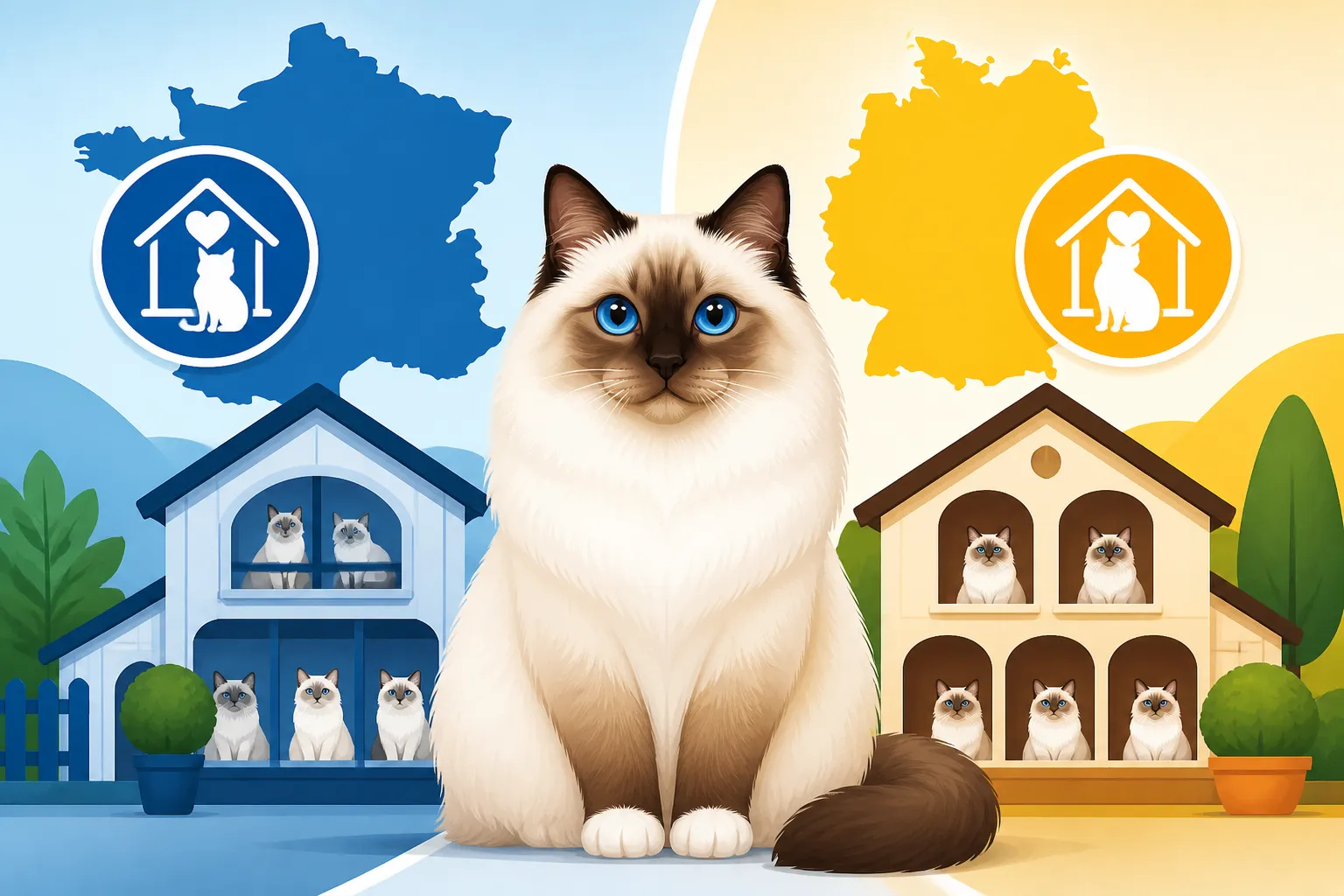
France and Germany are often described as the heart of Birman breeding in Europe, but that reputation can be hard to interpret: does it mean the most registered cats, the most active breeders, or simply the strongest public presence? This guide explains how the breed’s history, local cat fancy and breeder networks help account for the concentration—and what it means if you are looking for a responsible cattery.
Why France has a particularly strong Birman presence
The breed’s early history is closely tied to France
The Birman’s modern history is strongly associated with France. The breed was established there before spreading more widely across Europe, giving French breeders an early role in shaping its pedigrees and identity. The name Sacré de Birmanie is still used in French, a reminder that the breed’s French roots are part of its public story as well as its history.
That early connection can create a lasting advantage. When a breed has been established in a country for generations, breeders are more likely to inherit local knowledge, established lines and relationships with other breeders. Cat clubs and registries provide ways to record pedigrees and share information, while existing catteries can help newcomers learn the practical details of breeding and showing.
France’s early role is explored in When France Registered the Sacre de Birmanie. The breed’s beginnings are also wrapped in a much-repeated origin legend, but the legend should not be mistaken for a complete record of how the modern breed developed. For context, The Birman Is the Sacred Cat of Burma, and the Story Is a Legend separates the story told about the breed from its documented European history.
Rebuilding after the war strengthened breeder networks
The Birman’s European history was not a smooth expansion from a large, secure population. The Second World War disrupted breeding, and the breed had to be rebuilt from a very small number of surviving cats. Recovery required careful breeding and, at points, outcrossing to other longhaired cats. That work helped preserve the breed, but it also made organized pedigrees and cooperation between breeders especially important.
A small breeding population tends to make records and relationships matter. Breeders need to understand which cats are related, how particular traits are appearing, and which lines may be useful in future matings. Over time, this sort of work can produce a strong network of established catteries, particularly in the country where the breed already has a historical foothold. The postwar story is covered in The Birman Came Out of the War With Two Cats Left and Which Longhairs Rebuilt the Birman After 1945.
This history does not mean that every modern French Birman descends from only a handful of cats in a simple, direct way, or that French breeders are automatically more responsible than breeders elsewhere. It does help explain why France has a prominent place in the breed’s development and why its breeder community has had a long time to grow.
Familiarity keeps interest visible
A breed with a long local history is easier for prospective owners to encounter. People may hear about Birmans through cat shows, breed clubs, veterinarians, family members or friends who already have one. That visibility can encourage more people to contact breeders, and steady interest can make it viable for more catteries to continue breeding.
Visibility also feeds itself: active breeders make the breed easier to find, while demand gives breeders a reason to maintain their programs. But visibility is not the same as a precise count. A country may appear to have many catteries because they have public websites, participate in shows or are listed in directories. Small home-based catteries that breed occasionally may be less visible, while listings can remain online after a program has paused.
Why Germany also has a substantial Birman community
An established cat fancy supports specialist breeds
Germany has a well-established culture of organized cat breeding, clubs and shows. That broader cat fancy gives specialist breeds such as the Birman a setting in which breeders can connect, document pedigrees and introduce the breed to potential owners. A strong general infrastructure does not guarantee that every breed will be equally common, but it can make it easier for a breed community to remain active.
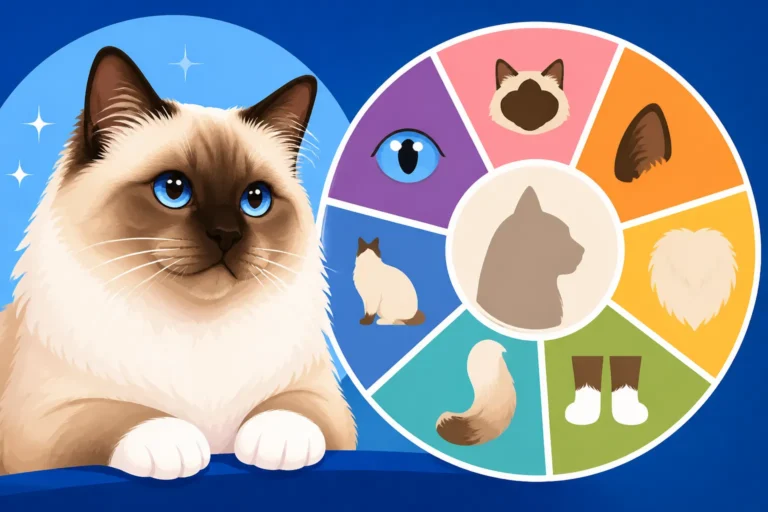
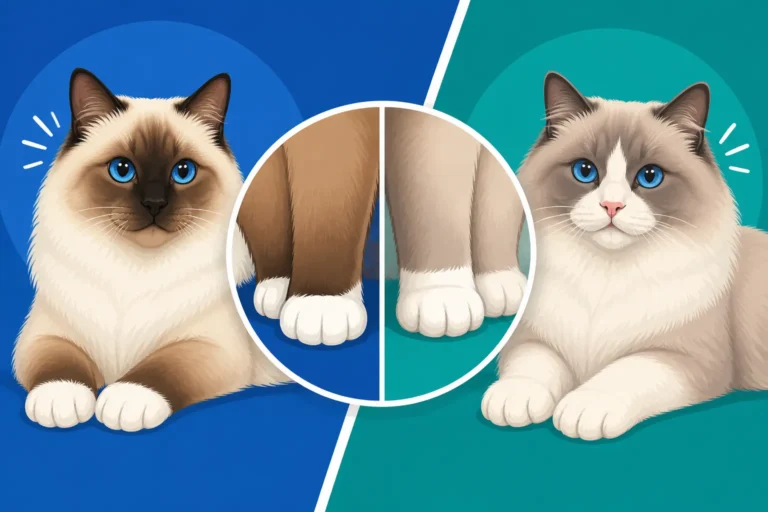
For a breeder, being part of an organized network can help with practical questions: how to evaluate a kitten’s markings, how to understand a pedigree, or how to find suitable homes. For a prospective owner, clubs and shows can make it easier to compare cats and meet breeders in person. These connections matter particularly for a breed whose appearance and history are closely tied to pedigree, including the characteristic white feet described in What Judges Look For on a Birman's Paws First.
Germany’s role is also part of the breed’s wider European spread. France was an important early center, but Birmans did not remain confined there. The path into other European countries is discussed in How the Birman Reached Germany and Britain From France.
Cross-border connections make the European map look connected
France and Germany are close to one another, and European breeders can maintain connections across national borders through shows, clubs and personal networks. A breeder may know or work with people in another country, and a family may travel across a border to meet a breeder or collect a kitten. That movement can make the breed community feel larger and more connected than a country-by-country list suggests.
Cross-border links also mean that country labels can be misleading. A cattery may be based in one country but have relatives in its pedigrees, mentors or kitten buyers elsewhere. Some breeders may show their cats in neighboring countries, while owners may search beyond their own region when local litters are not available.
This regional pattern helps explain why France and Germany often feature prominently in discussions of European Birman breeding. It does not, by itself, prove that they contain the largest share of the world’s catteries. The distinction between a strong regional presence and a verified global ranking is important.
The Birman’s appeal fits a range of households
Birmans are often valued as sociable, people-oriented cats, and that reputation can help maintain interest among families and first-time cat owners. A calm, companionable temperament may suit people who want an involved pet without necessarily seeking the more demanding activity level associated with some breeds. Breed reputation, of course, is only a starting point: individual cats vary, and early socialization and the home environment matter.
When a breed appeals to a broad range of households, its breeder community may be sustained by more than show interest alone. Some families seek a pedigreed companion rather than a show prospect; others want to meet the breed at an exhibition before deciding. That variety of interest can support a network of breeders with different priorities, from showing to placing kittens in companion homes.
The Birman’s standing across Europe is part of a wider picture, rather than a simple France-versus-Germany contest. How Popular the Birman Is in Europe offers broader context, while Which Registries Recognize the Birman Today is useful when comparing how breed recognition and registration work across different organizations.
What a high number of catteries does and does not tell you
A cattery count is not a complete census
There is no single, universally used definition of an “active Birman cattery.” One directory might include every breeder with a public listing. Another may include only members of a particular club. A cattery might produce litters regularly, breed occasionally, or have stopped breeding while its website remains available.
For that reason, statements that France or Germany “has the most” Birman catteries are best understood as descriptions of a prominent breeding presence unless they are supported by a clearly defined, current count. To make a reliable comparison, you would need to know which registries and directories were checked, how recently they were updated, and what counts as active.
| What is being compared | Why it matters | What it can miss |
|---|---|---|
| Public breeder listings | Shows how easy breeders are to find online | Inactive or outdated listings |
| Registry records | Connects cats and pedigrees to an organization | Breeders registered elsewhere or not listed publicly |
| Show participation | Reveals visible involvement in the cat fancy | Breeders who do not show |
| Recent litters | Suggests current breeding activity | Programs that breed infrequently |
| Social media presence | Makes a cattery easy to discover | Private or low-profile breeders |
A large number of search results can also create a false impression of abundance. Several pages may refer to the same breeder, and listings may cover a broad region rather than a specific city. When researching a cattery, check whether it has recent, verifiable information and ask direct questions rather than treating a directory entry as proof of ongoing activity.
More breeders do not automatically mean better choices
A country with many listed catteries may offer more opportunities to meet breeders, compare practices and find a suitable litter. It does not mean that every cattery follows the same health, socialization or placement standards. A smaller local breeding community can include excellent breeders, and a large one can include programs that deserve careful scrutiny.
Focus on the individual breeder. Ask how kittens are raised, what health information is available for the parents, how the breeder assesses temperament, and what support is provided when a kitten goes home. The breed’s postwar history and ancestry are useful background, but they do not replace current, specific information about the cats in front of you. For more on the breed’s recovery, see How Long the Birman Took to Breed True Again.
Also distinguish between a breeder’s claimed registration and evidence you can inspect. Ask which registry issues the kitten’s pedigree and how you can confirm the documentation. A professional-looking website, a long waitlist or a high number of social-media followers is not the same as transparent records and thoughtful answers.
How to find and assess a Birman cattery
Start locally, then widen your search
If you live in France or Germany, begin with national breed clubs, established cat-show organizations and registry directories. These can help you identify breeders to contact, but use them as a starting point rather than an endorsement. Confirm that the cattery is active, ask whether a visit is possible and find out where the kittens are raised.
If you live elsewhere, you may still encounter French or German breeders through European directories or cross-border recommendations. Before making travel plans, ask how the breeder handles visits, collection and paperwork. Travel can be tiring for a kitten, and arrangements should prioritize the animal’s welfare rather than convenience alone.
It is reasonable to contact several breeders, but give each conversation time. A responsible breeder may ask about your household, schedule and plans for the cat because those details help determine whether a kitten is a good match. Likewise, you should feel comfortable asking questions and taking time to decide. A breeder’s willingness to explain their practices is more useful than a quick promise that a kitten is available.
Compare practices, not just location
When you speak with a breeder, ask for clear details about the kittens’ daily environment, veterinary care and socialization. Ask what documents will be provided, how the kitten’s identity and pedigree are recorded, and what support is available after it leaves. The answers should be specific enough for you to understand what has been done and what remains your responsibility.
Useful questions include:
- Which registry will issue the kitten’s pedigree?
- Can I meet the kitten and, where appropriate, its mother?
- What health screening has been carried out for the parents?
- How are the kittens introduced to household sounds and handling?
- What veterinary records and written information will come with the kitten?
- What happens if the kitten’s markings or health differ from expectations?
If you are preparing for a kitten in the United States, a retailer such as Chewy may be one place to compare routine supplies, but a breeder or veterinarian should guide decisions about food and care during the transition. Chewy’s availability and product selection can differ from what a family in France or Germany can access, so do not assume that a US shopping list transfers neatly across borders. In either location, get the kitten’s current diet and feeding routine from the breeder before changing anything.
For a household getting ready for a new cat, Chewy can also be a practical place to look for basic equipment such as a carrier or litter supplies, where available. That does not replace a conversation with the breeder about the kitten’s familiar litter, food and comfort items. Familiar routines often make the first days in a new home easier.
Treat geography as context, not a quality score
France’s historical connection to the Birman and Germany’s active cat fancy help explain why both countries have a strong presence in the breed’s European story. Their location and cross-border networks can make that presence especially visible. But country of origin cannot tell you whether a particular breeder is careful, transparent or a good fit for your household.
If you are choosing between catteries, compare their practices and the information they are willing to share. A breeder’s location may affect how far you travel and which registry or local requirements apply, but it should not be your main measure of quality. The best match is the cattery that can answer your questions clearly and prioritize the kittens’ welfare—not simply the one based in a country often associated with the breed.
Chewy may be useful for some US owners when assembling everyday supplies, but the most important preparation is still direct guidance from the breeder and your veterinarian. A familiar food, a suitable carrier and a calm transition matter more than buying a particular brand or shopping in a particular country.
Disclaimer
This article is for general informational purposes only and does not constitute professional advice. Laws, prices and regulations vary by location and change over time. Consult a qualified professional for guidance on your specific situation.