How Much a Coat With No Undercoat Actually Sheds
One of the biggest concerns for potential Birman owners, or even those who already share their home with one, is the sheer volume of hair a long-coated cat might leave behind. It’s a completely valid worry, especially if you’ve had experience with other fluffy breeds and the constant battle against shedding. This guide is here to unravel the truth about Birman shedding, focusing on why their unique single coat often surprises people with how manageable it actually is, and how you can keep your home (and your cat) pristine.
Understanding the Birman's Unique Coat Structure
When you first lay eyes on a Birman, with that flowing, silky coat and magnificent ruff, your mind probably jumps straight to "shedding nightmare." It's a natural assumption given their luxurious appearance. However, the Birman's coat holds a secret that sets it apart from many other long-haired breeds: the glorious absence of a dense undercoat. This single, silky layer is truly a game-changer when it comes to hair management.
What Makes a Birman's Coat Silky Rather Than Woolly
The Birman's coat isn't just long; it has a distinctive texture that feels incredibly soft and smooth, almost like spun silk. This isn't by accident; it's a defining characteristic of the breed. Unlike many other long-haired cats, which have a thick, woolly undercoat beneath their longer guard hairs, the Birman primarily boasts only these outer guard hairs. These hairs are fine and lie close to the body, giving the coat its characteristic flow and sheen. There's no dense, fluffy layer underneath to trap loose hair or contribute to the dreaded matting often seen in other breeds. It's truly a delight to run your hands through, and this texture is a huge part of why grooming them is often less arduous than you'd expect. No Undercoat Is What Makes a Birman Easy to Groom is a concept many new owners quickly come to appreciate, and it fundamentally changes their daily routine.
Why a Birman's Single Coat Never Developed a Woolly Layer
The reason for the Birman's single coat structure is rooted in its genetic history and selective breeding. While many long-haired breeds were developed for extreme fluffiness, often to protect them from cold climates, the Birman’s lineage seems to have favored this less dense, more flowing coat. It’s believed that the early development of the breed, possibly influenced by cats from warmer climates or those specifically bred for appearance rather than insulation, led to the prevalence of this single coat. Breeders have carefully maintained this trait, understanding its benefits both in terms of aesthetics and ease of care. This means that unlike, say, a Persian with its double coat designed to keep it warm, a Birman doesn't have that hidden layer of insulation that sheds in massive clumps. Why a Birman's Single Coat Never Developed a Woolly Layer isn't just a fun fact; it's the core reason their shedding profile is so different.
How Long a Birman's Coat Actually Is
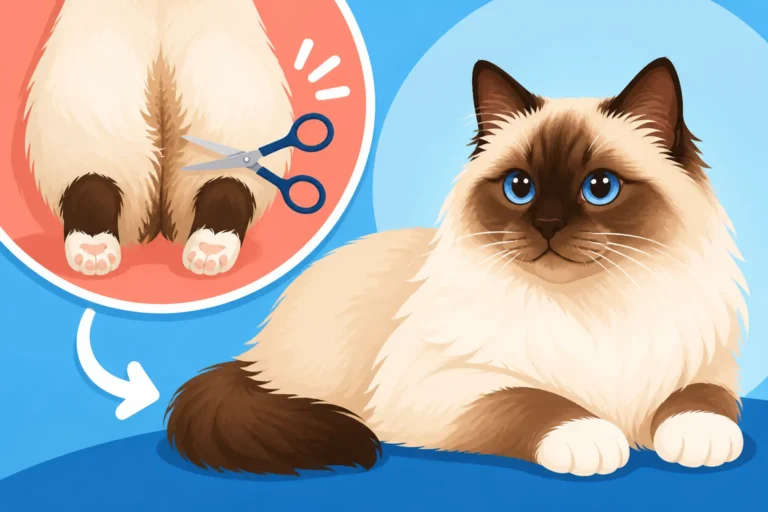
While the Birman is undeniably a long-haired cat, the length of its coat varies across the body. The hair is generally medium-long to long, but it’s not uniformly floor-sweeping everywhere. You’ll find the longest, most luxurious fur around the neck, forming a magnificent ruff, and on the tail, creating a beautiful plume. The hair on their back and sides tends to be medium-long, flowing beautifully, while the fur on their underside and legs is typically shorter. This variation in length, combined with the lack of an undercoat, means that while they look like they'd be tangled all the time, they are surprisingly Why a Birman Mats Far Less Than It Looks Like It Should. This differential length also contributes to how hair sheds, as longer strands are often more visible, but not necessarily more numerous.
The Reality of Birman Shedding
Okay, so we've established that the Birman has a single coat. But does "no undercoat" mean "no shedding"? Absolutely not. Let's be realistic here. Every cat with hair sheds to some degree; it's a natural part of their hair growth cycle. However, the type and amount of shedding in a Birman can be vastly different from what you might expect from a long-haired breed with a dense undercoat. It’s less about huge clumps of fluff and more about fine, silky strands that can still find their way onto your clothes and furniture.
When a Birman Drops Its Coat
Birmans, like most cats, shed year-round, but you'll notice seasonal fluctuations. They tend to "drop their coat" more significantly twice a year: in spring, to lighten up for warmer weather, and in autumn, to make way for a slightly thicker winter coat. During these periods, you'll definitely see an increase in loose hair around the house. However, because their hair is a single layer, it generally comes out in individual strands rather than the dense, cotton-ball-like clumps you might find from a cat with a woolly undercoat. It’s still hair, to be sure, but it often feels more manageable. It’s a good time to be extra diligent with your grooming routine to help them through these transitional phases.
Why a Birman Leaves Long White Hairs Everywhere
Despite the minimal undercoat, Birmans still leave evidence of their presence, often in the form of long, delicate white hairs. Why a Birman Leaves Long White Hairs Everywhere isn't just a poetic observation; it’s a reality of living with these beautiful cats. Their dominant color point pattern means that a significant portion of their body is a lovely, creamy white, especially their pristine 'gloves' and belly fur. These lighter hairs, being longer, are simply more visible against most dark surfaces – your clothes, your sofa, your carpets. You might not have massive dust bunnies of fur rolling across the floor, but you’ll certainly find those individual silky strands clinging to fabric. This is just a fact of life with a Birman, and embracing a regular cleaning routine (and perhaps owning a good lint roller) becomes part of the package.
How Much a Coat With No Undercoat Actually Sheds
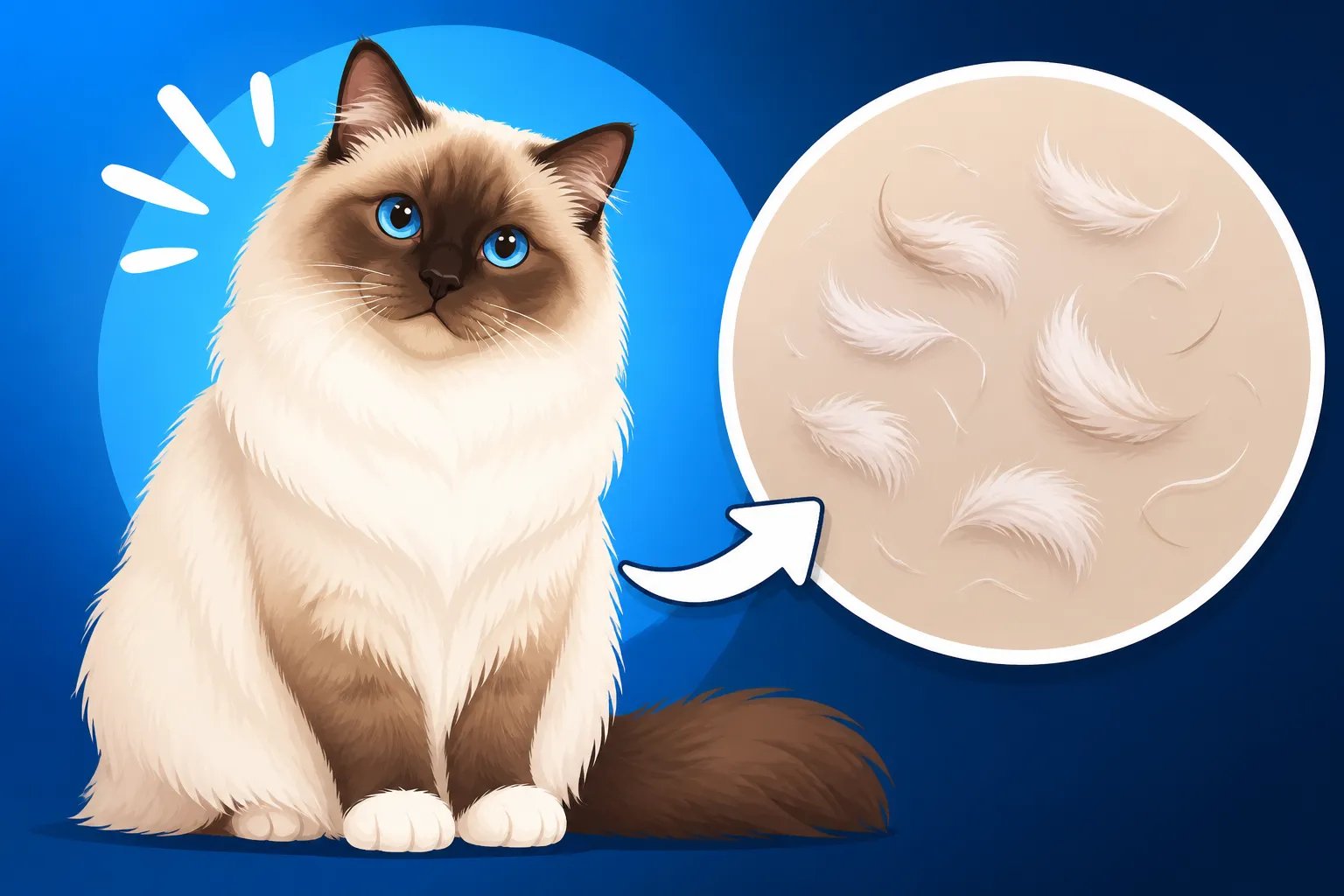
The truth is, a Birman's coat with no undercoat sheds less than most double-coated long-haired breeds. While they do shed continuously, the volume is notably lower. Imagine fine, individual strands rather than thick, felted clumps. You'll still find hair on your furniture, and your black trousers might become a canvas for white Birman fluff, but it's generally easier to manage. A quick pass with a damp cloth or a lint roller usually takes care of it, unlike the persistent, embedded fur that a dense undercoat can produce. The key difference is the texture and density of the shed hair. It’s lighter, finer, and less prone to creating solid mats or heavy layers of fluff. It still happens, but it's usually not the overwhelming deluge that some other long-haired breeds deliver.
Managing Birman Shedding Effectively
Even with a relatively manageable coat, a Birman still benefits immensely from a consistent grooming routine. It’s not just about keeping your home tidy; it's vital for their skin health, coat condition, and overall well-being. Thankfully, their cooperative nature makes grooming a much more pleasant experience for both of you.
Which Comb Gets Through a Birman's Ruff Without Pulling
The Birman’s magnificent ruff is undoubtedly one of its most striking features, but it's also where the fur is densest and longest. To navigate this beautiful mane without causing discomfort, you need the right tools. Skip the harsh slicker brushes; these can actually damage their delicate, single coat. Instead, opt for a good quality metal comb with both wide and fine teeth. Start with the wider teeth to gently detangle any loose strands or small snags in the ruff, working in small sections. Then, you can follow up with the finer teeth for a thorough pass. Brands like Andis or Safari make excellent combs that you can easily find on platforms like Amazon or Chewy. Remember to be gentle, always supporting the skin at the base of the hair you are combing. This approach ensures you remove loose hair effectively without tugging or causing pain, making it a positive bonding experience. Which Comb Gets Through a Birman's Ruff Without Pulling is essential knowledge for any Birman owner.
Why Three Combings a Week Is Enough for a Birman
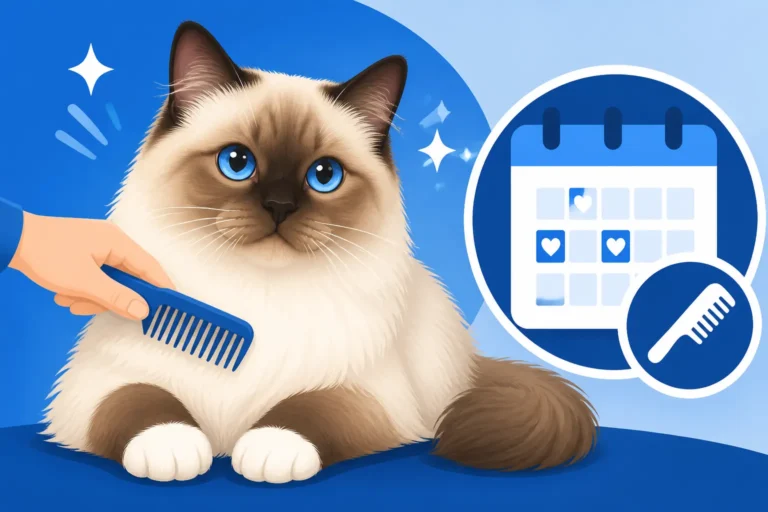
For many long-haired breeds, daily grooming is a necessity to prevent matting and manage shedding. However, for a Birman, three thorough combings a week are generally perfectly sufficient. Combing a Birman Three Times a Week works because of that single coat: without the woolly undercoat to trap loose hairs and create tangles, mats are far less common. Regular combing removes the shed hair before it has a chance to accumulate or get tangled, distributing natural oils and keeping their coat lustrous. Of course, during seasonal shedding periods, you might increase this to every other day, but for the majority of the year, a few sessions a week will keep their coat in tip-top condition and minimize the amount of hair floating around your home. It's a surprisingly low-maintenance commitment for such a grand-looking cat.
Why Omega Oils Matter for a Birman's Coat
Diet plays a crucial role in maintaining a healthy coat and skin, which in turn influences shedding. A well-nourished cat will have a stronger, healthier coat that sheds less excessively and looks shinier. Omega-3 and Omega-6 fatty acids are particularly important for coat health. These essential fatty acids contribute to the integrity of the skin barrier, reduce inflammation, and promote a soft, supple coat. You can find these beneficial oils in high-quality cat foods, often listed as salmon oil, flaxseed, or fish oil. Some owners choose to add a dedicated omega oil supplement to their Birman's diet, which can be found from brands like Chewy or your local pet store. It's not a magic bullet to stop shedding entirely, but ensuring your Birman gets enough of these vital nutrients will significantly contribute to a healthy coat and minimize unwanted shedding. What Protein Level a Birman's Ruff Needs to Stay Full is also connected to overall coat health.
Comparing Birman Shedding to Other Long-Haired Breeds
Understanding how Birmans shed often benefits from comparing them to their long-haired cousins. It helps put into perspective just how unique their grooming needs are and why they are often considered a more "manageable" longhair.
Why a Birman Needs Three Combings Where a Persian Needs Seven
If you've ever owned or groomed a Persian, you know the dedication required. Their extremely dense, double coat, often described as woolly, is prone to matting and requires daily, sometimes twice-daily, attention to keep it in good condition. The shedding from a Persian, especially during seasonal changes, can be quite substantial, leading to visible clumps of fur everywhere. In stark contrast, a Birman's single coat is far less demanding. As we discussed, Combing a Birman Three Times a Week is usually sufficient. This difference in grooming frequency – three times a week versus seven – highlights the significant distinction in their coat types and the amount of maintenance each requires. It's a key reason why Birmans are often recommended for those who admire long-haired cats but might not have the time or inclination for intensive daily grooming.
How a Birman's Coat Differs From a Ragdoll's
The Birman and the Ragdoll are often confused, and while they share some similarities, their coats are distinctly different. Ragdolls also have a long, soft coat, but it's often denser and has a slight undercoat, albeit not as thick as a Persian's. This means that while a Ragdoll's coat is generally less prone to matting than a Persian's, it still requires more frequent combing than a Birman's, perhaps four to five times a week, especially around their britches and belly where tangles can form. The Birman's single coat is truly unique in its texture and lack of density, leading to even fewer matting issues and an even more straightforward grooming routine. How a Birman's Coat Differs From a Ragdoll's is a crucial point for anyone trying to decide between these two magnificent breeds. The Birman's coat really does stand out for its relative ease of care.
Whether a Single Coat Makes a Birman Easier on Allergies
This is a common question, and it's important to address realistically. Unfortunately, Why No Amount of Combing Makes a Birman Hypoallergenic. The term "hypoallergenic" is often misunderstood when it comes to cats. All cats produce dander (tiny flakes of skin), saliva, and urine, which contain the proteins (primarily Fel d 1) that trigger allergic reactions in sensitive individuals. While a cat with less shedding might theoretically distribute fewer of these allergens around the house, the Birman's single coat does not mean it produces less of the allergenic proteins.
So, while you might find fewer visible hairs, it doesn't guarantee an allergy-free environment. If allergies are a concern in your household, spending time with a Birman before committing is always recommended to see how individual family members react. No cat breed is truly hypoallergenic, and the Birman is no exception, despite its shedding advantages.
Addressing Common Shedding Concerns
Living with a long-haired cat, even one with a relatively low-shedding coat like the Birman, still comes with its own set of practical considerations. Let's delve into some common concerns and how the Birman's unique qualities address them.
What a Birman's Coat Texture Should Be
A healthy Birman's coat should be soft, silky, and flowing. It should feel smooth to the touch, without any oiliness, dryness, or coarse patches. The fur should lie flat against the body, except for the majestic ruff and the plume on the tail. When you run your hand through it, it should feel clean and detangled. If you notice changes in your Birman's coat texture—if it suddenly becomes greasy, brittle, or starts matting more than usual—this can be a sign of an underlying health issue or a dietary imbalance. Excessive shedding that isn't seasonal, or noticeable thinning of the coat, also warrants a vet visit. Your vet can check for nutritional deficiencies, skin conditions, or even stress that might be affecting their fur. A Birman's coat is a good indicator of their overall health, so pay attention to any significant changes.
Whether a Birman's Coat Causes Digestive Trouble
Hairballs are a fact of life for many cats, especially those with longer coats, and Birmans are no exception. When a cat grooms itself, it inevitably swallows loose hair. While the Birman's single coat might mean less hair is ingested compared to a double-coated breed, they still groom frequently and can accumulate hair in their digestive system. These hairballs usually pass through without issue, but sometimes they can become too large or get stuck, leading to vomiting, coughing, or even blockages.
A proactive approach with regular combing is the best defense. Whether a Birman Is Prone to Hairballs is yes, but consistent grooming drastically reduces the amount of hair available for ingestion. Additionally, certain cat foods are formulated to help reduce hairball formation, containing fibers that aid in the passage of hair through the digestive tract. Some owners also give their Birmans hairball paste, which can be found on Amazon or at local pet supply stores.
Why a Birman Owner Never Books a Grooming Appointment
This might sound like a bold statement, but it's generally true for most Birman owners. The manageable nature of their coat means that professional grooming is rarely, if ever, needed. Unlike Persians or other breeds that require regular shaving or intricate styling to prevent severe matting, a Birman's coat can almost always be maintained at home. With those three weekly combing sessions, you'll be able to keep their fur in excellent condition. This not only saves money but also avoids the stress that a trip to the groomer can cause for some cats. Of course, there might be extreme circumstances, such as a cat becoming severely matted due to neglect or illness, that necessitate professional intervention. But for the vast majority of well-cared-for Birmans, their owners are fully equipped to manage their grooming needs themselves. How Many Minutes a Week a Birman's Coat Takes is a testament to this ease of care.
Grooming Tools and Shedding Management Techniques
Having the right tools and knowing a few simple techniques can make all the difference in managing your Birman's shedding and keeping their coat in tip-top condition. It's about working with their coat, not against it.
Essential Tools for Birman Coat Care
While the Birman's coat is relatively low-maintenance, a few key tools will make your grooming sessions effective and enjoyable for your cat. Forget the complicated contraptions; simplicity is best here.
- Metal Comb: This is your absolute workhorse. Look for one with both wide and fine teeth. The wide teeth are great for initial detangling, especially in the ruff and tail, while the fine teeth help remove loose fur and smooth the coat. Brands like Hertzko or Pawpular on Amazon offer good options.
- Soft Bristle Brush: After combing, a soft bristle brush can help distribute natural oils, add shine, and collect any remaining loose surface hairs. It's also often a very pleasant sensation for your Birman, turning grooming into a massage.
- Nail Clippers: While not directly for shedding, regular nail trims are part of overall grooming. A good pair of cat-specific clippers will make this task quick and easy.
- Pet Wipes/Damp Cloths: These are fantastic for quick clean-ups, especially for their pristine white 'gloves' if they get a little dingy.
Investing in quality tools, easily found at Chewy or your local pet store, will make grooming a breeze for both you and your Birman.
The Problem with Deshedding Tools on a Birman
You might be tempted by the promises of "deshedding tools" that rake through a coat and pull out huge amounts of fur. However, for a Birman, these tools are often more harmful than helpful. Why a Deshedding Tool Damages a Birman's Coat is an important point to understand. Deshedding tools, with their sharp blades, are designed to strip out the dense undercoat of breeds like Maine Coons or certain types of domestic longhairs. A Birman, lacking this undercoat, doesn't need this kind of aggressive treatment.
Using a deshedding tool on a Birman can actually cut and damage their delicate guard hairs, leading to a duller coat, skin irritation, and even paradoxically more shedding as the damaged hairs break. Stick to a gentle metal comb and a soft brush; these are all your Birman's silky coat needs to stay healthy and beautiful.
Keeping the White Gloves Pristine
The Birman's distinctive white "gloves" are one of its most charming and unique features. Keeping them clean, however, can be a minor challenge, especially if your cat is an enthusiastic digger in the litter box or ventures into dusty corners. The goal isn't constant washing, but proactive care.
First, choose a low-dust, non-clumping litter that won't stick to their paws or discolor their white fur. Many silica gel or paper-based litters work well for this. Second, have pet wipes or a damp cloth handy for quick spot cleaning. If a glove gets truly grubby, a small, targeted wash with a cat-specific shampoo is better than a full bath. You can even find specialized whitening shampoos on Amazon designed to brighten white fur gently. By being mindful of their environment and offering gentle, regular paw checks, you can maintain those beautiful white gloves without much fuss.
Birman Shedding: A Quick Summary
To give you a clearer picture of Birman shedding compared to other breeds, here's a handy table:
| Breed | Coat Type | Undercoat Presence | Shedding Level | Matting Tendency | Grooming Frequency |
|---|---|---|---|---|---|
| Birman | Single, silky | None | Low to Moderate | Low | 2-3 times/week |
| Persian | Double, dense | Very thick | Moderate to High | Very High | Daily |
| Ragdoll | Semi-long, soft | Slight | Moderate | Moderate | 3-5 times/week |
| Maine Coon | Double, shaggy | Moderate | Moderate to High | Moderate | 3-4 times/week |
| Domestic LH | Varies, often double | Varies | Moderate to High | Varies | 3-7 times/week |
As you can see, the Birman truly stands out for its relatively low shedding and matting tendency among long-haired cats, making it a dream for those who love luxuriant fur without the intensive upkeep.
Disclaimer
This article is for general informational purposes only and does not constitute professional advice. Laws, prices and regulations vary by location and change over time. Consult a qualified professional for guidance on your specific situation.