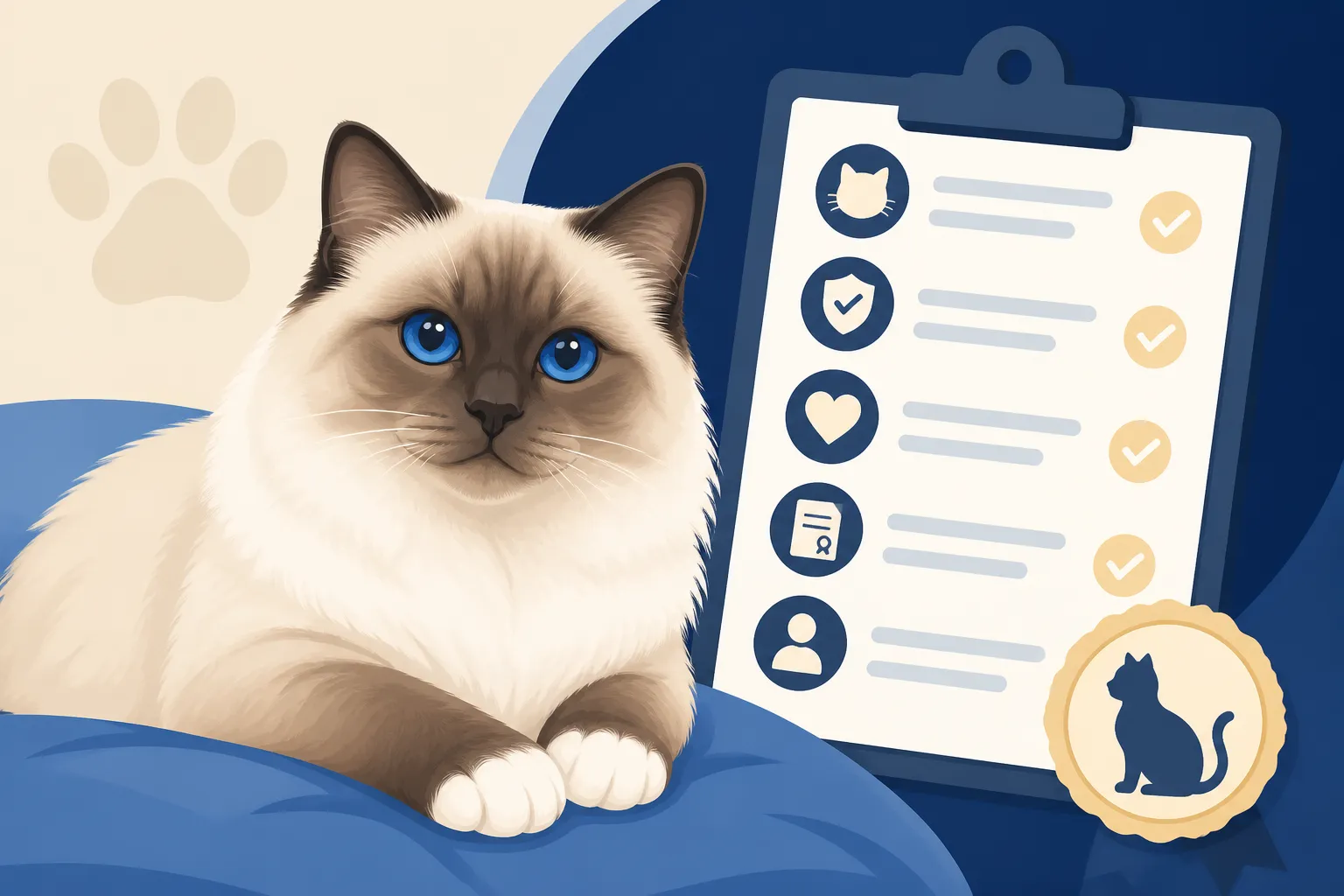
Which Results a Birman Breeder Must Put in Writing
Bringing a gorgeous Birman kitten into your home is an incredibly exciting time, but the process of finding the right kitten from a reputable breeder can often feel overwhelming and even a little scary. You want to ensure your new family member is healthy and comes from a responsible background, and a big part of that peace of mind comes from the written health results and documentation a breeder provides. This comprehensive guide will walk you through exactly what critical paperwork and test results a Birman breeder absolutely must put in writing for you.
The Non-Negotiable Genetic Test Results
When you're looking for a Birman, you're not just buying a fluffy companion; you're investing in a specific lineage, and that lineage comes with its own unique genetic predispositions. Responsible breeders go to great lengths to screen their breeding cats to prevent passing on inherited diseases. The results of these genetic tests should always be provided to you in writing.
FOXN1 Genetic Testing for Hypotrichosis
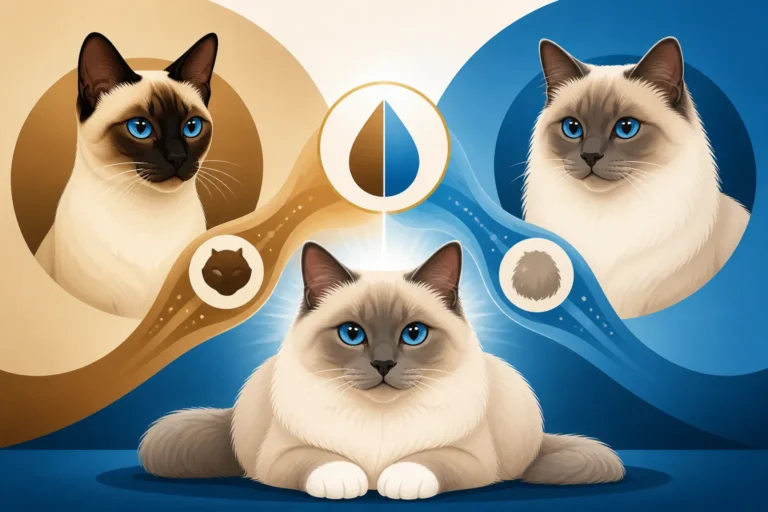
This is arguably one of the most vital tests for any Birman breeder. The FOXN1 gene is responsible for a condition that can manifest as hypotrichosis (hairlessness) and, more critically, thymic aplasia. When a kitten inherits two copies of the affected gene, it's born almost bald, and its immune system is severely compromised due to a missing or underdeveloped thymus. FOXN1 Is the Birman's Own Genetic Disease, and understanding this is key.
A reputable breeder will have tested both parent cats for the FOXN1 gene and will provide you with official documentation of these results. You'll typically see results categorized as "clear," "carrier," or "affected." A "clear" cat has two normal copies of the gene and cannot pass the disease on. A "carrier" has one normal copy and one affected copy; they are healthy themselves but can pass the affected gene to their offspring. An "affected" cat has two copies of the affected gene and will suffer from the condition. It's imperative that you see proof that at least one, ideally both, parents of your kitten are clear. If a breeder uses a carrier in their breeding program, they must ensure that the mate is clear to avoid producing affected kittens. What FOXN1 Does to a Birman Kitten is heartbreaking, and a kitten born bald will not reach eight months, making prevention crucial. How a Birman Carrier Is Identified is straightforward through DNA testing.
PKD1 Genetic Testing for Polycystic Kidney Disease
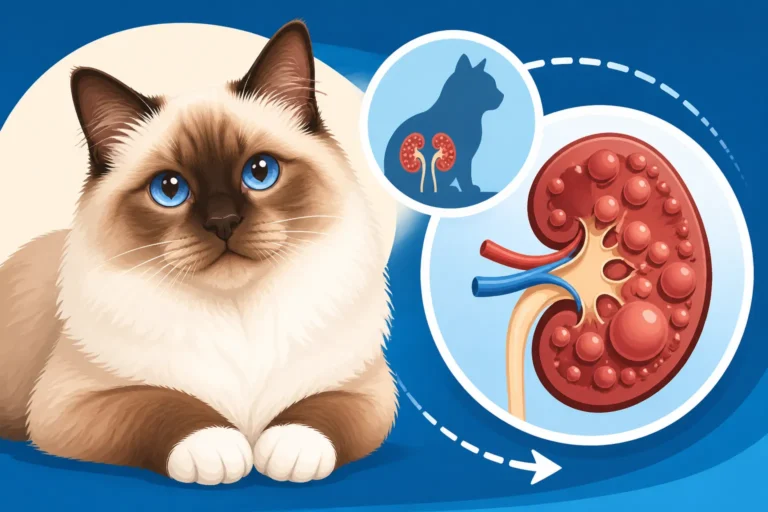
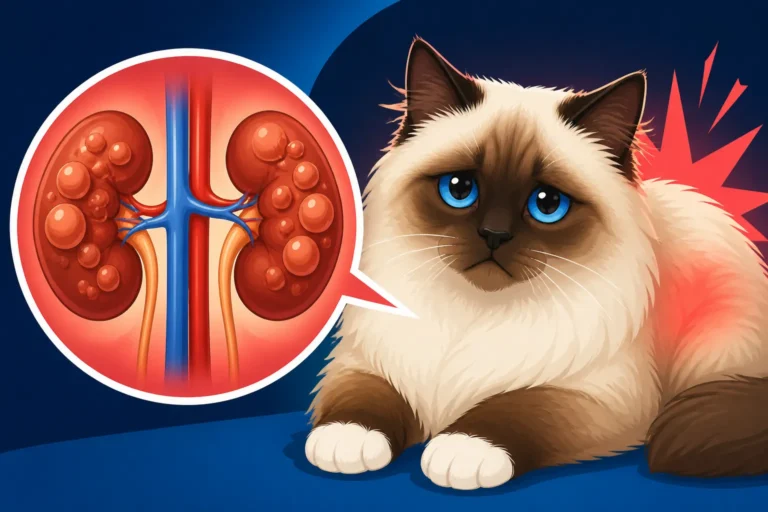
While perhaps not as immediately devastating as thymic aplasia, Polycystic Kidney Disease (PKD1) is another inherited condition that Birman breeders must screen for. This disease causes cysts to form on the kidneys, which can grow over time, eventually leading to kidney failure. Why a Birman Breeder Still Tests for PKD is a testament to their dedication to the breed's long-term health. The Birman breed, like many longhairs, has Persian ancestry, and unfortunately, Why PKD Reached the Birman Through the Persian is a historical reality.
Fortunately, there's a reliable DNA test for PKD1. Just like with FOXN1, you should ask for written documentation proving that both parents of your kitten are "clear" of the PKD1 gene. A "clear" result means the cat does not carry the gene for PKD1 and cannot pass it on to its offspring. This simple genetic test has been a game-changer for many breeds, including Birmans, allowing breeders to eliminate the disease from their lines. How the PKD1 Test Clears a Birman is a definitive way to ensure your kitten won't face this particular inherited kidney issue.
Crucial Cardiac and Renal Health Screenings
Beyond the genetic predispositions, Birmans, like many purebred cats, can be susceptible to certain structural heart and kidney conditions that aren't always detectable by DNA tests alone. This is where regular screenings become absolutely vital, and their written results are just as important as genetic test certificates.
Hypertrophic Cardiomyopathy HCM Echo Scans
Hypertrophic Cardiomyopathy (HCM) is the most common heart disease in cats, and it tragically affects many breeds, including the Birman. It's a condition where the muscular walls of a cat's heart thicken, making it harder for the heart to pump blood effectively. Unlike FOXN1 or PKD1, there is currently HCM in a Birman Has No DNA Test, Only an Echo. This means the only reliable way to screen breeding cats is through regular echocardiograms, which are specialized ultrasound scans performed by a board-certified veterinary cardiologist.
A responsible Birman breeder will provide you with copies of current (and ideally historical) echocardiogram results for both parent cats. These results should clearly state that the cats are "clear" or "normal" for HCM. It's not a one-and-done test; breeding cats should be scanned annually or bi-annually, as the disease can develop later in life. How HCM Shows Up in a Birman can vary, from subtle changes to severe thickening. Ask to see documentation proving that the parents have been screened within the last 12-18 months. How Often a Breeding Birman Needs Scanning is a critical question to ask your breeder, especially for active breeding cats.
Comprehensive Veterinary Examination and Records
Beyond the specific genetic and cardiac screenings, every Birman kitten should undergo a thorough general veterinary examination before coming to your home. This might seem obvious, but it's often overlooked in the flurry of excitement. The breeder should provide you with a written vet check certificate or a health report signed by their veterinarian.
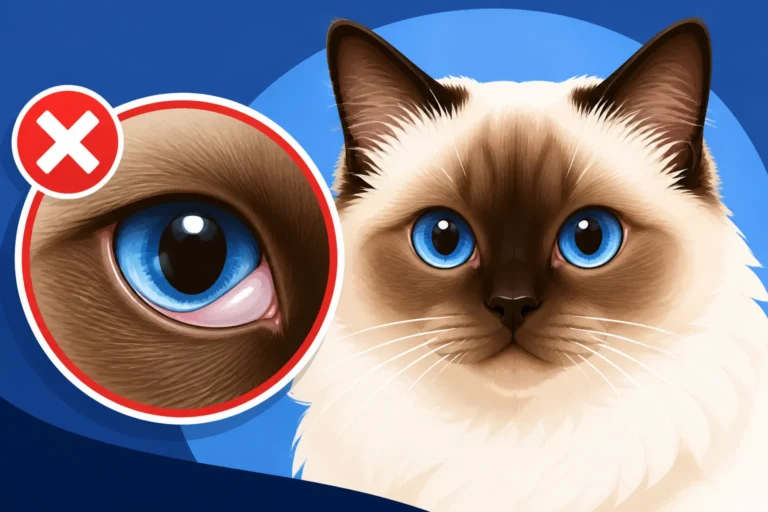
This document should confirm that the kitten has been examined and found to be in good general health. It should specifically note checks for things like clear eyes, a healthy heart (auscultation), clean ears, proper bite alignment, and a healthy coat. Why a Birman's Eyes Should Be Checked at Every Visit is important because, while rare, some Birmans can be prone to corneal dermoids. Similarly, How Dental Disease Progresses in a Birman from a young age can be influenced by jaw structure, so a vet's early assessment is valuable. This overall health check is your initial assurance that your kitten is starting life on the right paw.
Essential Paperwork and Breeder Responsibilities
Beyond health, there's a layer of administrative and contractual paperwork that a reputable Birman breeder must provide. This documentation ensures the kitten's identity, lineage, and the legal framework of your purchase.
Vaccination and Microchip Documentation
These are fundamental requirements for any well-socialized and protected kitten. Your breeder should furnish you with an official vaccination record, often a small booklet or certificate, detailing the dates of the kitten's first vaccinations (typically for feline panleukopenia, herpesvirus, and calicivirus, and sometimes rabies depending on local laws and age). It will also indicate when the next boosters are due.
Equally important is proof of microchipping. Your kitten should be microchipped before it leaves the breeder's care, and you should receive documentation with the microchip number. Crucially, the breeder should explain or even assist you in transferring the microchip registration into your name. This ensures that if your Birman ever gets lost, it can be identified and returned to you. This is standard practice and should never be omitted.
Official Pedigree and Registration Papers
If you're buying a purebred Birman, you absolutely need its pedigree and registration papers. Which Certificates a Birman Breeder Hands Over With the Kitten always includes these. A pedigree is essentially your kitten's family tree, tracing its lineage back several generations. It confirms your kitten's purebred status and helps you understand its genetic background.
Registration papers confirm that your kitten has been registered with a recognized cat registry body, such as the Cat Fanciers' Association (CFA), The International Cat Association (TICA), or the Governing Council of the Cat Fancy (GCCF) in the UK. The breeder should provide a copy of the kitten's registration slip or a certificate of transfer, which you will then use to register the kitten in your name. For pet kittens, these papers often come with a "not for breeding" clause or a requirement for early neutering, which is a common practice in responsible breeding to protect the breed standard and prevent backyard breeding. Understanding Which Registry Body Issues a Birman's Papers can help you verify the breeder's claims.
Written Health Guarantee and Sales Contract
A comprehensive written sales contract is your legal protection and outlines the terms of your purchase. This document should detail the kitten's identifying information (name, date of birth, color, sex, microchip number), the purchase price, and conditions of sale. Crucially, it must include a health guarantee.
This health guarantee should explicitly state what the breeder is responsible for in the event of certain health issues arising after you take the kitten home. It typically covers congenital or genetic conditions, often for a specified period (e.g., one year for genetic issues, a few days for infectious diseases). For instance, it might guarantee that the kitten is free from life-threatening genetic defects like severe HCM or PKD at the time of sale. Be sure to read this carefully and understand what is and isn't covered. A good contract reflects a breeder's confidence in their breeding program and their commitment to the health of their kittens. Even with the best guarantees, unexpected illnesses can occur, which is why considering a pet insurance plan from a provider like Healthy Paws from the start can provide an invaluable safety net for those unforeseen moments.
What to Look For and How to Verify Documentation
Having the documents in hand is one thing; understanding them and verifying their authenticity is another. A responsible breeder will guide you through this process, but it's empowering to know what to look for yourself.
Understanding Test Results and Pedigrees
When presented with genetic test results for FOXN1 or PKD1, ensure the cat's full registered name and microchip/tattoo number match the one on the document. The document should be from a recognized veterinary genetics lab. Look for clear indications of "N/N" (normal/normal or clear) for both parents, or "N/M" (normal/mutant or carrier) for one parent if the other is N/N.
For HCM echo scans, the report should be from a board-certified veterinary cardiologist, not just a general vet. It should clearly state the date of the scan and the findings (e.g., "normal cardiac anatomy," "no evidence of HCM"). Again, verify the cat's identity matches the paperwork. For the pedigree, trace back the names. A well-constructed pedigree will show consistent registration within recognized bodies.
The Importance of Transparency and Direct Communication
A reputable Birman breeder won't just hand you a stack of papers; they'll be transparent and willing to discuss every detail of their health screening protocols. They should be proud to show you their documentation and explain what each test means for your kitten's future. If a breeder is evasive, unwilling to show you original documents (even if they provide copies), or tries to rush through these discussions, these are major red flags.
Don't hesitate to ask questions. Ask for the full registered names of the parents and which labs perform their genetic testing. Good breeders will often proactively provide these details and even publish their health results online for full transparency. For instance, Why a Birman Breeder Publishes Echo Results is a sign of their commitment to breed health. Conversely, What to Do If a Birman Breeder Hides Results often involves walking away, no matter how cute the kitten is. This transparency is a cornerstone of responsible breeding practices and ensures you're getting a healthy kitten from a breeder who truly cares.
Why Healthy Paws Insurance is a Smart Addition
Even with the most meticulous breeder and a stack of clear health certifications, owning a pet always comes with the possibility of unexpected health issues. Accidents happen, and even the healthiest cats can develop illnesses not covered by genetic tests or breeder guarantees. This is why having comprehensive pet insurance is such a wise investment.
Consider a reputable provider like Healthy Paws. Their plans can help cover the costs of unexpected illnesses, accidents, emergency care, and even certain hereditary conditions (provided they're not pre-existing). While a breeder's documentation offers a fantastic foundation, pet insurance provides an extra layer of financial security, ensuring you can always make the best medical decisions for your Birman without worrying solely about the cost. It gives you invaluable peace of mind, knowing that if something unforeseen happens down the line, you're prepared.
| Document/Result Type | What It Proves | Why It's Crucial | Verification Tip |
|---|---|---|---|
| FOXN1 Genetic Test (Parents) | Freedom from or carrier status of the gene for Hypotrichosis/Thymic Aplasia. | Prevents kittens from being born hairless with no immune system. | Lab certificate matching parent ID. Check "Clear" status. |
| PKD1 Genetic Test (Parents) | Freedom from the gene for Polycystic Kidney Disease. | Prevents an inherited kidney disease that can lead to kidney failure. | Lab certificate matching parent ID. Ensure "Clear" status. |
| HCM Echo Scan (Parents) | Normal heart structure; no evidence of Hypertrophic Cardiomyopathy. | Screens for a common and serious heart disease, as no DNA test exists. | Cardiologist report (within 12-18 months) matching parent ID. |
| Kitten Vet Health Check | General good health, no obvious congenital defects or infectious diseases. | Ensures the kitten is healthy at the time of sale. | Vet's signed certificate detailing examination findings. |
| Vaccination Record | Kitten has received initial core vaccinations and deworming. | Protects the kitten from common infectious diseases. | Official vet booklet/certificate with dates and next due. |
| Microchip Documentation | Kitten is microchipped with a unique ID number. | Essential for identification and safe return if lost. | Microchip certificate. Confirm breeder will transfer registration. |
| Official Pedigree | Kitten's lineage and purebred status within a recognized registry. | Confirms breed authenticity and family history. | Document from a recognized registry (CFA, TICA, GCCF, etc.). |
| Registration Papers | Kitten is registered with a recognized cat registry. | Allows you to officially register your kitten in your name. | Breeder's transfer slip or certificate from registry. |
| Sales Contract & Guarantee | Legal terms of sale, health guarantees, and breeder responsibilities post-purchase. | Protects buyer in case of specific health issues, outlines rights and responsibilities. | Comprehensive written agreement, read all clauses carefully. |
Disclaimer
This article is for general informational purposes only and does not constitute professional advice. Laws, prices and regulations vary by location and change over time. Consult a qualified professional for guidance on your specific situation.