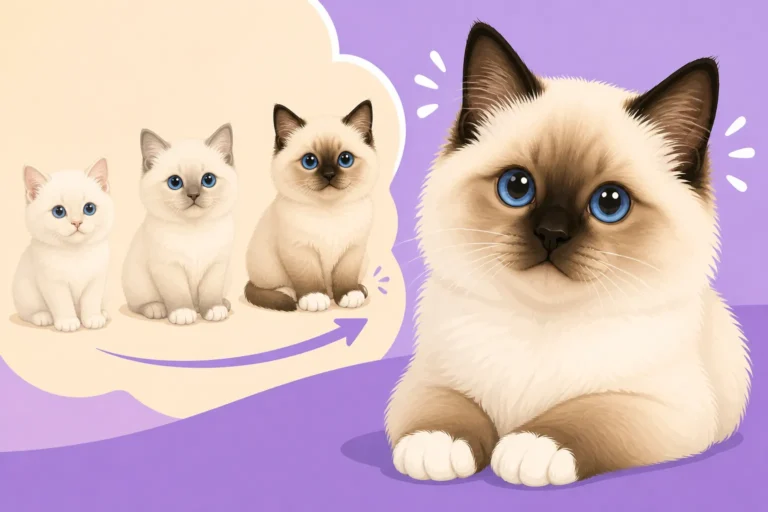
What Birman Kittens Cost in 2026, Gloved and Mismarked
Bringing a beautiful Birman kitten into your home is an incredibly exciting prospect, but if you’ve started looking, you’ve probably quickly realized that the initial cost can feel like a moving target. Many hopeful owners find themselves overwhelmed trying to understand the price variations, especially when terms like "gloved" and "mismarked" are thrown around. This comprehensive guide will meticulously break down the many factors that influence the price of Birman kittens, helping you understand the true value and what to expect when welcoming one of these sacred cats into your family.
The Foundation of Birman Kitten Costs: Beyond the Initial Price Tag
When you first start your search for a Birman kitten, it's easy to focus solely on that headline number a breeder quotes. However, the true "cost" of a Birman begins long before you bring your kitten home and extends far beyond the initial purchase price. A responsible breeder invests significant time, effort, and financial resources into ensuring their kittens are healthy, well-socialized, and true to the breed standard. This investment forms the bedrock of what you're paying for.
What Goes Into a Breeder's Price?
The price of a Birman kitten reflects the dedication and ethical practices of the breeder. It’s not simply about producing a litter; it’s about preserving the health, temperament, and beauty of the breed. This means undertaking extensive health screenings for the parent cats, providing top-tier nutrition and veterinary care, and dedicating countless hours to the socialization and well-being of each kitten. Think about all the things that happen before you even meet your kitten: stud fees, quality queen care, ultrasounds, vaccinations, microchipping, and perhaps even early spay/neuter. All these elements contribute to the final price.
A good breeder will be transparent about these costs and why their kittens are priced as they are. They should provide a contract outlining guarantees and expectations, and be available to answer any questions you have, not just before purchase, but for the lifetime of the cat. Remember, you're not just buying a kitten; you're often gaining a lifelong mentor and resource in your breeder.
Regional Variations and Breeder Reputation
Just like real estate, kitten prices can vary depending on where you live and the local demand. A breeder in a high cost-of-living area might have higher overheads, which can translate to a higher kitten price. More importantly, the individual breeder’s reputation plays a massive role. Breeders who have consistently produced healthy, well-tempered, and well-marked Birmans, and who are active in the cat fancy (showing, participating in breed clubs), often command higher prices. This is because their lines are proven, their health testing is meticulous, and their commitment to the breed is undeniable.
It’s tempting to look for a "bargain" Birman, but this is one area where cutting corners can lead to heartache and far greater veterinary bills down the line. A breeder selling significantly cheaper kittens might be skipping crucial health tests, providing inadequate care, or breeding indiscriminately. Always verify a breeder’s credentials and ask to see health certificates for the parents, particularly for genetic conditions common in Birmans.
Understanding the Birman's Signature Gloves: What Makes Them Valuable?
The Birman's distinctive white "gloves" on its paws and "laces" on its hind legs are perhaps its most defining characteristic and a major factor in its perceived value and price. These markings are not just beautiful; they are a hallmark of the breed and a point of pride for breeders striving to adhere to the breed standard. The exact pattern and symmetry of these white markings are incredibly complex genetically, making truly "perfect" gloves a rare and highly sought-after trait.
The Ideal Birman Glove Standard
For those interested in showing Birmans, or simply appreciating the pinnacle of the breed's aesthetics, the ideal glove standard is very specific. The front gloves should be pure white, symmetrical, and end in a straight line across the paw, covering only the toes and not extending up the leg. On the hind legs, the white markings should also be pure, symmetrical, and cover the entire paw. Crucially, they should extend up the back of the leg into a "lace" or "gauntlet" that tapers to a point, stopping approximately halfway up the hock. It's a precise art, and achieving this level of perfection in a litter is incredibly difficult. You can read more about The Gloves Decide What a Birman Kitten Costs to understand just how influential these markings are.
Breeders invest generations into their breeding programs, hoping to consistently produce kittens that meet these exacting standards. Each kitten's gloves are meticulously assessed as they grow, as they can change slightly in the first few weeks. A kitten with near-perfect gloves is a testament to the breeder's skill and selective breeding.
The Genetic Complexity of Gloving
The white gloving on a Birman is controlled by a specific gene, known as the "gloving gene," which every Birman carries two copies of. However, the expression of this gene is influenced by other modifier genes, making the outcome highly unpredictable, even when both parents have excellent markings. This genetic complexity is why Why Perfect Birman Gloves Are Almost Impossible to Breed is a challenge even for the most experienced breeders. It's a roll of the genetic dice with each litter.
This unpredictability means that within a single litter, you might find kittens with a range of glove quality, from show-stopping perfection to those with slight variations. This natural variation is what ultimately creates different price tiers for Birman kittens, with the rarer, perfectly marked individuals fetching a higher price due to their potential for show careers or as breeding stock to further refine lines.
The Spectrum of Birman Glove Markings: From Perfect to Pet Quality
It's a common misconception that there are only "perfect" and "mismarked" Birman kittens. In reality, there's a beautiful spectrum of glove markings, and each variation has implications for a kitten's price and its potential future role, whether as a beloved pet or a show champion. Understanding these nuances helps prospective owners make informed decisions and appreciate the unique beauty of every Birman.
What Constitutes a "Show Quality" Birman?
A "show quality" Birman kitten is one whose markings and overall conformation adhere as closely as possible to the breed standard. This means symmetrical, pure white gloves on all four paws, with the hind leg laces extending to the correct height. The bone structure, head shape, eye color, and coat quality must also be exemplary. These kittens are rare and represent the culmination of a breeder's selective breeding program. They are intended for individuals who wish to compete in cat shows and potentially contribute to the breed's future. Consequently, they command the highest prices.
Breeders typically hold back their most promising kittens for evaluation, sometimes even for several months, to ensure their markings develop as expected. They are sold with full breeding rights or show contracts, which reflect their potential and value within the fancy. If you're considering a show-quality kitten, prepare for a premium price, but also for a kitten that embodies the Birman ideal in every way.
Common Glove Variations and "Mismarks"
Many Birman kittens, while still stunning and healthy, will have minor variations in their glove markings that prevent them from being considered "show quality." These variations are often termed "mismarks" in the context of the breed standard, but it's crucial to understand that they do not impact the kitten's health, temperament, or its ability to be a wonderful pet. Common mismarks include uneven glove lines, white extending too high up the leg (known as "gauntlets"), or white patches on the body where they shouldn't be. You can learn more about What Laces and Gauntlets Mean on a Birman's Price Tag and how they influence pricing.
These "pet quality" kittens are typically sold at a lower price point than their show-quality siblings. They are usually sold on a spay/neuter contract, meaning they are intended solely as companions and cannot be used for breeding. This is a responsible practice that helps maintain the breed standard and prevents accidental breeding of cats that do not meet the ideal. The beauty of a "mismarked" Birman is that they offer all the wonderful personality traits of the breed without the premium attached to show-ring perfection.
Pricing Tiers for Glove Quality
The price difference between a perfectly gloved Birman and one with distinct mismarks can be significant. Breeders often categorize their kittens into tiers:
- Show/Breeder Quality: The highest price tier, reserved for kittens with exceptional markings and conformation, often sold with breeding rights.
- Pet Quality (Excellent Markings): Kittens with very good, though not perfect, gloves that would make beautiful companions. These are often mid-range in price.
- Pet Quality (Mismarked): Kittens with more noticeable glove variations, such as gauntlets or unevenness. These are typically the most accessible in terms of price for a purebred Birman.
- "Bargain" Birmans: Kittens sold significantly below market rate are a red flag. As discussed earlier, this often indicates a lack of proper health testing or care, and should be approached with extreme caution.
This pricing structure isn't about diminishing the value of any individual cat, but rather reflecting the rarity and difficulty of achieving specific aesthetic standards within the breed. Every Birman, regardless of its markings, has the potential to be a loving and cherished family member.
| Glove Quality Tier | Description | Price Implication | Primary Purpose |
|---|---|---|---|
| Show/Breeder Quality | Near-perfect symmetry, pure white gloves, ideal lace length, excellent conformation to breed standard. | Highest | Showing, ethical breeding, esteemed companion |
| Pet Quality (Good) | Very good gloves, perhaps minor asymmetry or slight variations, still very appealing. | Mid-range | Beloved companion, may have excellent temperament |
| Pet Quality (Mismarked) | Noticeable variations like high gauntlets, uneven glove lines, or small color spots. | Most accessible for purebred Birman | Wonderful companion, no impact on health/temperament |
| "Bargain" Birmans | Often unclear heritage, no health testing, poor care. | Suspiciously low, beware of hidden costs | Risk of health issues, unknown temperament |
Why "Mismarked" Doesn't Mean "Less Loved": Finding Your Ideal Birman
It’s easy to get caught up in the ideal image of a "perfect" Birman, especially with all the talk about show standards and precise glove markings. But for most prospective owners, the joy of a Birman comes from its personality, its calm demeanor, and the loving bond you’ll share. A kitten that is "mismarked" by show standards is no less a Birman in its heart, and certainly no less capable of bringing immense happiness into your home. In fact, choosing a mismarked Birman can be a fantastic way to acquire a purebred without the premium price tag of a show-quality animal.
The True Birman Temperament: Beyond Appearances
The Birman breed is renowned for its incredibly gentle, placid, and affectionate nature. They are often described as "dog-like" in their devotion, following their owners from room to room and always wanting to be near. They possess a quiet voice, preferring soft trills and purrs to loud meows, and are known for their patience with children and other pets. This wonderful temperament is inherent to the breed, regardless of whether a kitten's gloves are perfectly even or if it has a splash of color where it shouldn't. A Birman Would Rather Be Near You Than On You, and that affectionate nature is what truly defines them, not their markings.
When you're choosing a kitten, spend time interacting with the litter. Observe their personalities. Are they curious, playful, and friendly? Do they seek out interaction? A mismarked kitten with a fantastic personality will bring far more joy into your life than a perfectly marked one with a shy or aloof disposition. The saying "beauty is only skin deep" absolutely applies here.
The Practical Advantages of a Pet-Quality Birman
Opting for a pet-quality Birman, even one with noticeable mismarks, comes with several practical benefits. Firstly, as we've discussed, the initial purchase price is usually more affordable. This can free up funds for other essential kitten supplies, or even allow you to consider adopting two kittens, as Why One Birman Usually Becomes Two is a common sentiment once owners experience their gentle nature. Secondly, you won't feel the pressure of maintaining a "show coat" or worrying about preserving perfect markings. While all Birmans require regular grooming due to their long, silky coats, a pet-quality cat allows you to focus purely on their health and happiness without the added stress of competitive showing.
Furthermore, many breeders are more willing to place pet-quality kittens into homes sooner, as they don't need to be held back for extensive evaluation of their show potential. This means you might find your perfect companion more quickly. Just be sure to always ask What a Birman Kitten Has Had Done by Thirteen Weeks before bringing them home, ensuring they are fully vaccinated and socialized.
Embracing the Uniqueness
Every cat is an individual, and a mismarked Birman carries its own unique story etched in its coat. Instead of viewing these variations as flaws, many owners cherish them as defining characteristics that make their cat one-of-a-kind. Perhaps a white patch on the shoulder becomes "their lucky spot," or an uneven glove is simply "part of their charm." These "imperfections" often deepen the bond between owner and cat, creating a special narrative.
Ultimately, the goal is to find a healthy, happy companion that fits into your family's lifestyle. While the breed standard is vital for preserving the Birman's distinct characteristics through ethical breeding, it's perfectly fine for a pet owner to prioritize temperament and health over show ring perfection. After all, your Birman won't know if its gloves are perfectly symmetrical; it will only know the love and care you provide.
The Breeder's Investment: What Drives the Price of a Quality Birman Kitten
Understanding the sheer scope of an ethical Birman breeder's investment really helps clarify why these kittens come with a specific price tag. It’s far more than simply pairing two cats and selling the resulting litter. A responsible breeder dedicates immense resources – time, money, and emotional energy – to ensure the health, genetic diversity, and future of the Birman breed. This commitment is the true value you are paying for when you bring home one of their kittens.
Comprehensive Health Testing and Pedigrees
One of the most significant costs for any reputable Birman breeder is health testing. This isn't just a basic vet check; it involves specific genetic screenings for diseases prevalent in the breed, such as Hypotrichosis (FOXN1) and Polycystic Kidney Disease (PKD). While FOXN1 Is the Birman's Own Genetic Disease and Why a Birman Breeder Still Tests for PKD are crucial, comprehensive breeders also screen for Hypertrophic Cardiomyopathy (HCM) through regular echocardiograms (heart scans) performed by a board-certified veterinary cardiologist. These tests are expensive and must be done for all breeding cats, often annually for HCM, throughout their breeding careers. You can learn more about What the FOXN1 Test Costs, What the PKD1 Test Costs for a Birman, and What a Birman's Echo Screening Costs to get an idea of these individual expenses.
Beyond health, breeders meticulously track pedigrees to ensure genetic diversity and avoid excessive inbreeding. They invest in champion bloodlines, which often means paying premium prices for their foundation breeding cats or for stud services from top-quality males. Maintaining these high standards involves ongoing education, attending cat shows, and collaborating with other reputable breeders, all of which incur costs.
Exceptional Care for Breeding Adults and Kittens
A quality breeder provides a superior environment and care for their entire cattery. This includes:
- Premium Nutrition: High-quality food designed for breeding cats and growing kittens, often supplemented to support optimal health and coat condition.
- Veterinary Care: Routine check-ups, vaccinations, parasite control, and emergency care for both adult cats and litters. Kittens receive multiple vet visits, their initial vaccinations, deworming, and microchipping before they leave for their new homes.
- Socialization: This is paramount for Birman kittens. Breeders spend countless hours handling, playing with, and exposing kittens to various sights, sounds, and experiences to ensure they develop into well-adjusted, confident, and friendly adults. A well-socialized Birman is a joy to live with, and this labor of love is invaluable.
- Facilities and Supplies: Clean, safe, and stimulating environments require quality litter, bedding, toys, and cleaning supplies. Birman kittens, with their white gloves, often require specific, non-staining litters.
All of these elements contribute to the overall well-being of the cats and, by extension, the quality of the kittens produced. When you receive your kitten, it should come with a complete health record, registration papers, and often a starter kit of food and toys. These are the kinds of Which Certificates a Birman Breeder Hands Over With the Kitten you should expect.
Time, Expertise, and Passion
Perhaps the most significant, yet intangible, investment a breeder makes is their time, expertise, and unwavering passion for the Birman breed. Breeding is not a money-making venture for responsible individuals; it is a labor of love that often operates at a financial loss or break-even point. Breeders are constantly learning, researching genetics, studying breed standards, and mentoring new owners. They are on call 24/7 during births and the critical early weeks of a kitten's life, sacrificing sleep and personal time.
This dedication ensures that each kitten leaves their home as a healthy, happy, and well-adjusted ambassador for the breed. The price you pay for a Birman kitten isn't just for the cat itself; it's an acknowledgment of the breeder's ethical practices, extensive knowledge, and profound commitment to bettering the breed. This ensures you're bringing home a cherished family member who is set up for a long, healthy life.
Long-Term Financial Planning for Your Birman: Beyond the Purchase
While the initial cost of a Birman kitten might seem like a big number, it's truly just the beginning of your financial commitment. Owning any pet is a long-term investment, and for a Birman, with its specific needs and potential lifespan of The Twelve to Sixteen Years a Birman Usually Gets, you need to plan for ongoing expenses. Being prepared financially ensures you can provide your beloved companion with the best possible care throughout its life.
Monthly and Annual Care Expenses
The recurring costs of owning a Birman can add up, and it's essential to budget for them. These typically include:
- Food: High-quality cat food is crucial for a Birman's health, coat condition, and overall well-being. Consider brands that prioritize good nutrition. A company like Chewy offers a wide variety of premium cat foods and can deliver them right to your door, making it convenient to maintain a consistent diet.
- Litter: Birmans, especially those with white gloves, benefit from low-dust, non-clumping litter that won't stain their pristine paws. This might mean a slightly higher price point for litter, but it helps keep their unique markings clean.
- Grooming Supplies: While Birmans have a single coat that is less prone to matting than some longhairs, regular combing is still essential. You'll need good quality combs and brushes.
- Veterinary Care: Annual check-ups, vaccinations, and parasite prevention are non-negotiable. As your Birman ages, they may require more frequent vet visits. It's wise to budget for potential dental cleanings under anesthesia, as How Dental Disease Progresses in a Birman is a common issue in many cat breeds.
- Toys and Enrichment: Keeping your Birman stimulated with appropriate toys, scratching posts, and occasional treats contributes to their happiness and prevents boredom.
These expenses can easily run into the hundreds of dollars annually, even for a healthy cat. Having a realistic understanding of What Keeping a Birman Costs Every Year is vital for responsible pet ownership.
Unexpected Veterinary Costs and Pet Insurance
No matter how well you care for your Birman, unexpected health issues can arise. These can range from minor injuries to more serious chronic conditions that require extensive diagnostics, medications, or even surgery. Veterinary care, especially specialist care, can be incredibly expensive. This is where pet insurance becomes a critical part of your financial planning.
Companies like Healthy Paws offer various plans that can help cover a significant portion of unexpected veterinary bills, giving you peace of mind that you can afford the best care for your Birman without facing financial hardship. It's important to research policies carefully, understanding what is covered (and what isn't, especially for breed-specific conditions like HCM) and how deductibles and reimbursement rates work. Enrolling your Birman in pet insurance when they are young and healthy is often the most cost-effective approach, as pre-existing conditions are typically not covered.
Planning for the Birman's Senior Years
As your Birman enters its golden years, typically around age 10-12, its needs will change, and so will some of the associated costs. Older Birmans may require senior-specific diets, more frequent veterinary check-ups, and potentially medications for conditions like arthritis or kidney disease. What an Ageing Birman Slows Down From can often involve joint pain or decreased mobility, which might necessitate specific ramps or comfortable beds.
Regular blood work, including kidney values, becomes more important as a Birman ages, especially given the breed's historical connection to PKD. Investing in supportive care, such as joint supplements or prescription diets for organ support, can significantly improve their quality of life. Thinking ahead about these potential expenses allows you to provide comfort and dignity for your Birman as they mature.
Navigating the Birman Market: How to Find a Reputable Breeder
Finding a reputable Birman breeder is perhaps the most critical step in bringing a healthy, well-adjusted kitten into your home. The price of a Birman kitten from an ethical breeder reflects their significant investment in the health, temperament, and adherence to the breed standard. Avoiding "backyard breeders" or "kitten mills" is paramount, as the allure of a lower price often hides a multitude of future problems and heartaches.
What to Look For in a Reputable Breeder
A good breeder will welcome your questions and be eager to share information about their cats and practices. Here are key indicators of a reputable breeder:
- Health Testing: They will provide verifiable documentation of health screenings for both parent cats, including genetic tests for FOXN1 and PKD, and echocardiograms for HCM. They should also be transparent about the health history of their lines. Asking about How Often a Breeding Birman Needs Scanning for HCM is a good indicator of their commitment.
- Pedigree and Registration: Kittens should come with registration papers from a recognized cat association (like CFA, TICA, GCCF, etc.) and a multi-generation pedigree.
- Vaccinations and Worming: Kittens should be fully vaccinated for their age, dewormed, and microchipped before going to their new homes, typically at 12-16 weeks of age.
- Environment: Their cattery (home environment) should be clean, well-maintained, and the cats should be part of the family, not housed in separate, isolated cages. The kittens should appear healthy, playful, and well-socialized.
- Contract and Guarantee: A written contract outlining health guarantees, return policies, and spay/neuter agreements is standard. They should offer lifetime support.
- Interview Process: Reputable breeders will interview you, asking about your home, lifestyle, and experience with cats. This isn't intrusive; it's a sign they care deeply about where their kittens are going.
Be wary of any breeder who is vague about health testing, refuses to let you visit their cattery (or meet the mother cat), or pressures you into a quick sale. These are red flags that could indicate a breeder is cutting corners. You should never encounter a breeder who suggests you skip health checks for their animals; always remember that Why a Cheap Birman Is Usually Untested and often comes with hidden long-term costs.
Avoiding Scammers and Unethical Practices
The internet can be a breeding ground for scams. Be extremely cautious of breeders who:
- Offer unusually low prices: If a price seems too good to be true, it almost certainly is.
- Refuse video calls or in-person visits: This is a major red flag. They might not have the kitten they claim, or their living conditions might be unsuitable.
- Ask for payment via wire transfer or unusual methods: Stick to secure payment methods.
- Cannot provide verifiable health documents or registration papers: Anyone can claim their cats are "purebred"; documentation is key.
- Sell kittens too young: A Birman kitten should not leave its mother before 12 weeks of age, preferably 13-16 weeks, to ensure proper socialization and development.
Trust your gut feeling. If something feels off, walk away. A few extra weeks of searching for the right breeder is a small price to pay for a healthy, happy companion that will be part of your family for many years to come.
Connecting with the Birman Community
One of the best ways to find a reputable breeder is by connecting with the Birman cat community. Attend local cat shows, join breed-specific forums or social media groups, and speak to Birman owners. They can often provide recommendations for breeders they trust and who uphold the highest standards. Breed clubs are an excellent resource, often listing reputable breeders on their websites.
Remember, a Birman is a cherished member of the family, and the initial cost is just one part of a long, loving relationship. Choosing wisely at the outset will pave the way for a happy and healthy life together.
Disclaimer
This article is for general informational purposes only and does not constitute professional advice. Laws, prices and regulations vary by location and change over time. Consult a qualified professional for guidance on your specific situation.