Caring for a Birman Once Its Points Have Gone Dark
Watching your beloved Birman cat gracefully grow older is a beautiful journey, but it often comes with a common and sometimes puzzling change: their gorgeous point coloration, those striking darker areas on their ears, face, paws, and tail, start to deepen significantly. This natural shift can leave many Birman parents wondering if it's normal, if it impacts their cat's health, and most importantly, how to adjust their care to ensure their senior companion remains happy and comfortable. This comprehensive guide will walk you through everything you need to know about caring for your Birman once its points have gone dark, embracing this natural part of their aging process.
Understanding Why Birman Points Darken
It's truly fascinating to watch a Birman kitten transform from its almost pure white birth coat into the rich, pointed beauty we know and love. But why do those points, after reaching their mature shade, continue to darken over the years? It's a combination of genetics, physiology, and environment.
The Genetic Basis of Point Coloration
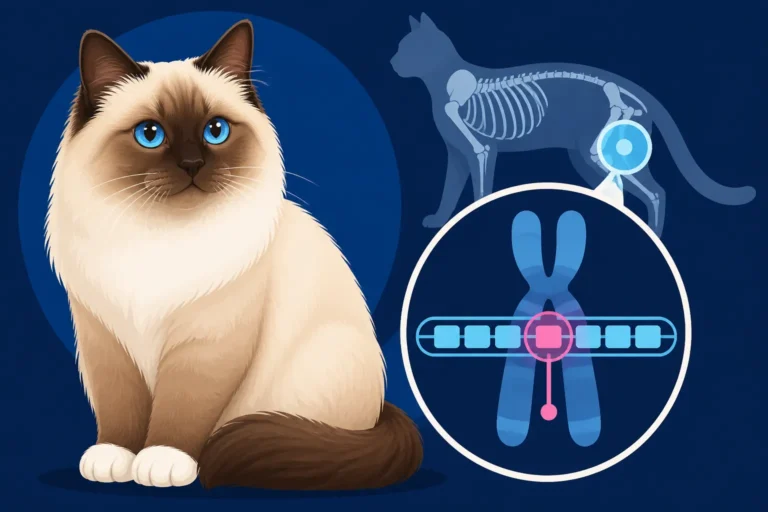
At the heart of a Birman's coloring is a temperature-sensitive gene, often referred to as the Himalayan gene or the colorpoint gene. This gene is responsible for producing melanin, the pigment that gives hair its color. Here's the kicker: the enzyme responsible for melanin production, tyrosinase, only works effectively in cooler temperatures. That's why a Birman's extremities – the coolest parts of their body like their ears, paws, tail, and nose – develop pigment, resulting in the darker points. The warmer core body stays lighter.
Think of it like this: your Birman's body is a canvas, and the paintbrush of pigment only works where it's a bit chilly. This is why Every Birman Kitten Is Born Pure White – they've been cozy and warm inside their mother's womb, so the pigment production hasn't kicked in yet. Once they're out in the world, exposed to cooler air, their points slowly start to develop, a process that continues for their first few years, sometimes even up to three years of age for their full color to mature.
The Role of Age in Point Darkening
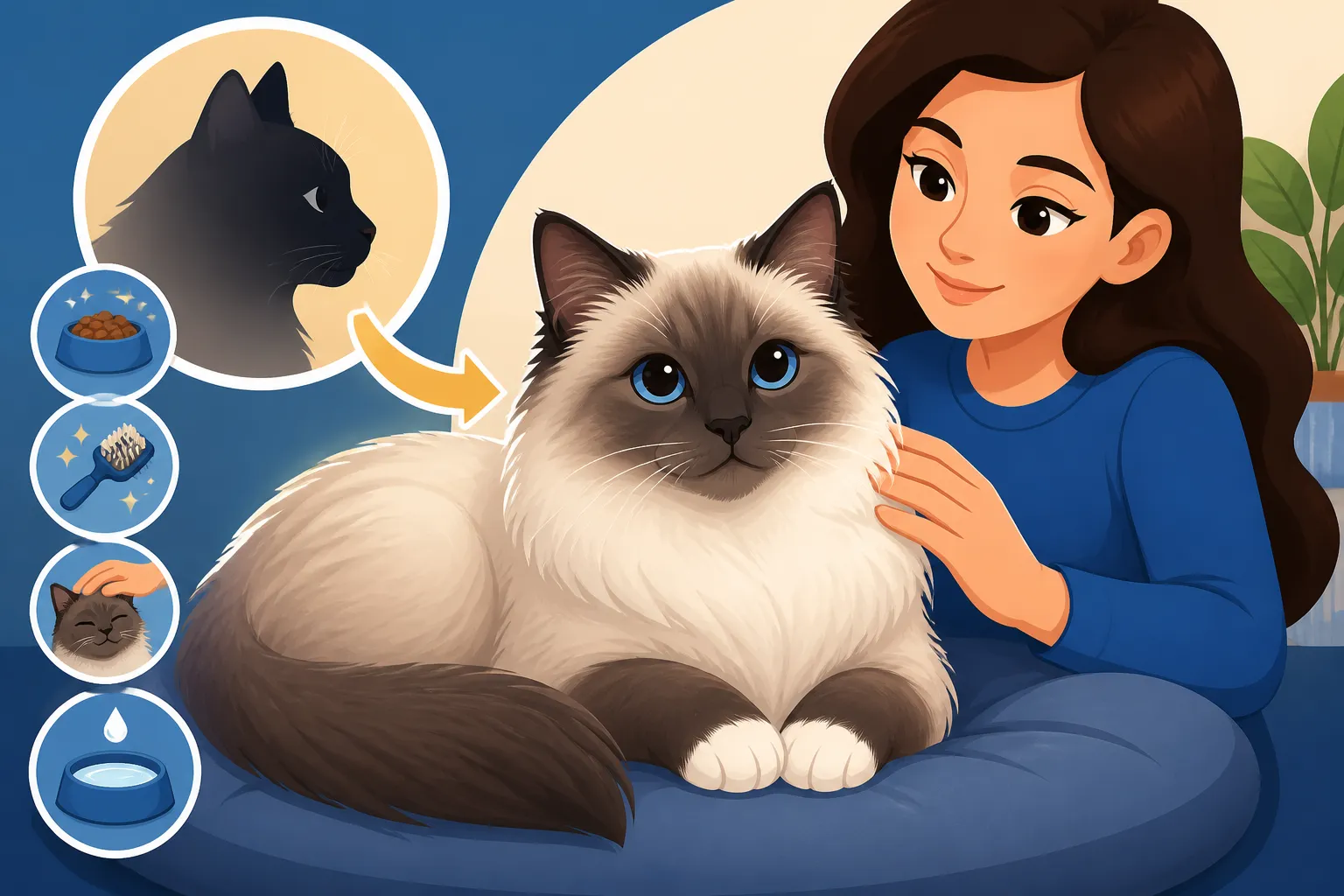
As your Birman moves from adulthood into its golden years, you'll notice those points aren't just set; they actually continue to deepen, often becoming quite a rich, almost black shade even if they started as a beautiful blue or chocolate. This isn't a sign of illness, but a perfectly normal physiological process. Over a cat's lifetime, their body's metabolism and cellular processes gradually accumulate pigment. The cells that produce melanin don't suddenly stop or get less efficient; if anything, the cumulative effect of a lifetime of pigment production, combined with minor drops in core body temperature associated with aging and reduced activity, contributes to this deepening.
Imagine a photograph that slowly gains saturation over many years – that's a bit like what happens to your Birman's points. The areas that were already pigmented simply become more intensely so. It's a visual testament to their journey through life, a badge of their wisdom and years. This deepening is particularly noticeable in areas like the face, where the mask can become much more pronounced, and the legs, where the "laces" and "gloves" might appear more defined against the lighter body fur.
Environmental Factors Influencing Point Shade
While genetics and age are the primary drivers, environmental factors can also play a subtle role in how dark a Birman's points appear. Exposure to cooler temperatures, even intermittently, can encourage more pigment production. This is why a Birman who spends more time in a cooler home, or perhaps enjoys lounging near a window in winter, might show slightly darker points than one who lives in a consistently warm environment.
Conversely, some owners notice a slight lightening of points during the warmer summer months if their cat is frequently exposed to higher ambient temperatures. However, this effect is usually minimal and temporary compared to the long-term, age-related darkening. Don't worry, you don't need to turn your home into a freezer to achieve deep point color! The natural progression of age will do most of the work, and it's far more important to keep your senior Birman comfortable and warm, especially since A Coat With No Undercoat Is Not Warm.
Coat Care Adjustments for a Darker, Older Birman
Your Birman's silky, single coat is one of their most defining features. While it's known for being relatively easy to maintain due to its lack of an undercoat, an aging Birman with darker points might present some new grooming considerations. As they get older, their skin can become more sensitive, and their coat might change subtly in texture.
Gentle Grooming Techniques for Sensitive Skin
As your Birman ages, their skin can become thinner, less elastic, and more prone to irritation. What was once a vigorous brushing session might now be uncomfortable. It's time to switch to an even gentler approach. Instead of a slicker brush, which can pull and scratch, opt for a soft bristle brush or a metal comb with widely spaced, rounded teeth. The goal is to stimulate the skin and distribute natural oils without causing any discomfort.
Focus on short, gentle strokes, following the direction of hair growth. Pay close attention to their reactions; if they flinch or pull away, ease up. Consider grooming sessions when they are relaxed, perhaps while napping on your lap. These moments become not just about maintenance, but also about bonding and reassuring touch. Regular, gentle combing helps prevent mats and tangles, which can pull on sensitive skin and lead to pain or infections. Remember, Combing a Birman Three Times a Week is a good baseline, but adjust to what your individual cat needs and tolerates as they age.
Dealing with Potential Matting in Denser, Longer Fur
While Birmans are generally low-matting cats, an older cat's coat can sometimes become a bit denser or coarser, particularly around the ruff, britches, and tail plume, due to hormonal changes or reduced self-grooming. The darkening of their points doesn't directly cause matting, but a denser coat in those areas combined with an aging cat's reduced flexibility can contribute to it.
Keep a close eye on areas where mats tend to form: behind the ears, under the "armpits" (front legs), on the belly, and around the hindquarters. These are the spots they might struggle to reach as comfortably as they once did. If you find a mat, resist the urge to pull or cut it with scissors, as you could accidentally cut their delicate skin. Instead, gently work it out with your fingers, using a comb to separate small sections of hair. A little cornstarch can help absorb oil and provide slip for easier detangling. For stubborn mats, a professional groomer or your vet can safely remove them. Prevention is always better than cure, so those gentle, frequent grooming sessions are crucial.
Keeping the White Gloves Pristine Amidst Darker Points
The contrast between your Birman's dark points and their pure white "gloves" on their paws is iconic. As the points darken, this contrast becomes even more striking. However, those white gloves can become discolored if not properly cared for, especially if your senior cat isn't as meticulous about self-grooming, or if they have White Feet Change Which Litter You Buy.
To keep those gloves sparkling, ensure you're using a low-dust, non-clumping litter, preferably one made from paper or natural plant fibers, as clay litters can stain. Check their paws regularly, especially after litter box visits. If they get stained, a gentle wipe with a damp cloth is usually enough. For more persistent discoloration, a small amount of pet-safe whitening shampoo or a pet-specific paw cleaning foam can be used, followed by a thorough rinse. Be extra careful with water and baths, as even with a single coat, drying an older cat thoroughly is important to prevent chills. The general rule is, if it's just the feet, spot clean them; full baths should be rare unless absolutely necessary.
Nutrition and Hydration for an Aging Birman
Just as our dietary needs change as we age, so do those of our feline companions. An aging Birman, whether their points have darkened or not, requires specific nutritional support to maintain muscle mass, organ health, and overall vitality.
Dietary Needs for Senior Birmans
As Birmans enter their senior years, typically around 7-10 years of age, their metabolism can slow down, and their activity levels often decrease. This means their caloric needs might change, but it's not always a simple reduction. Many older cats actually need more digestible protein to maintain muscle mass and prevent sarcopenia (age-related muscle loss). Look for high-quality senior cat foods that are specifically formulated with increased protein content (typically around 30-35% on a dry matter basis).
Brands like Royal Canin or Hill's Science Diet offer excellent senior cat formulations. They often include L-carnitine to help with fat metabolism and antioxidants to support the immune system. Be mindful of their weight; it's a fine balance to prevent obesity while ensuring they get enough nutrition. An overweight senior cat can exacerbate conditions like arthritis. On the other hand, rapid, unexplained weight loss is a serious concern. Regular weigh-ins at home and at the vet are invaluable. Remember that A Birman Will Quietly Eat Everything You Leave Down without complaint, so measured meals are crucial.
Encouraging Hydration to Support Organ Function
Hydration becomes critically important for senior cats, especially as kidney function can naturally decline with age. Why a Birman's PKD History Makes Water Intake Matter highlights the breed's historical predisposition to Polycystic Kidney Disease (PKD), even if your cat tests clear for PKD1, general kidney health is paramount. Providing ample fresh water is essential.
Consider offering multiple water bowls placed throughout the house, and clean them daily. Many cats prefer ceramic or stainless steel bowls over plastic. A pet water fountain can be a game-changer for encouraging water intake, as the movement and fresh filtration often entice cats to drink more. Incorporating wet food into their diet is also an excellent way to boost hydration, as it has a much higher moisture content than dry kibble. If your Birman is particularly fussy about drinking, you might even add a little low-sodium chicken broth to their water bowl to make it more appealing.
Supplementation Considerations
While a balanced senior diet should provide most necessary nutrients, some supplements can be beneficial for aging Birmans, always in consultation with your veterinarian.
- Omega-3 Fatty Acids: Fish oil (specifically EPA and DHA) can support joint health, maintain skin and coat quality, and have anti-inflammatory properties, which can be great for older cats who might be developing mild arthritis.
- Glucosamine and Chondroitin: These are chondroprotectants that support cartilage health and can help manage symptoms of osteoarthritis. Many senior cat foods already contain these, but additional supplementation might be recommended.
- Probiotics: If your senior Birman experiences occasional digestive upset or has a sensitive stomach, a vet-approved probiotic can help maintain a healthy gut microbiome.
Always discuss any supplements with your vet before introducing them, as some can interact with medications or existing health conditions. For instance, if your cat is on any medication, it's wise to double-check. Organizations like Healthy Paws, known for their comprehensive pet insurance, often emphasize the importance of preventative care and consulting with your vet on dietary needs and supplements to ensure your furry friend stays as healthy as possible throughout their golden years.
Addressing Potential Health Concerns Related to Aging and Darker Points
As Birmans age and their points deepen, it's a good reminder to be vigilant about common senior feline health issues. While the darkening itself isn't a health concern, the general aging process is a time when certain conditions are more likely to emerge. Their typically placid temperament means Why a Birman Hides Illness Behind a Placid Temperament, making it even more crucial for owners to be observant.
Monitoring for Kidney and Thyroid Issues
Kidney disease and hyperthyroidism are two of the most prevalent health concerns in older cats.
- Kidney Disease: The kidneys are vital for filtering waste from the blood. As cats age, kidney function can gradually decline. Signs to watch for include increased thirst and urination, weight loss, decreased appetite, lethargy, and a dull coat. Early detection is key, which is why your vet will likely recommend regular blood tests and urinalysis as your Birman gets older. These tests can reveal changes in kidney values long before outward symptoms become severe, allowing for dietary and medical management that can significantly slow progression and improve quality of life. What an Old Birman Slows Down From First often relates to early signs of kidney issues, such as reduced activity.
- Hyperthyroidism: This condition involves the overproduction of thyroid hormones, which revs up a cat's metabolism. Despite eating more, affected cats often lose weight. Other symptoms include increased thirst and urination, restlessness, hyperactivity, and a greasy or unkempt coat. A blood test for thyroid hormone levels (T4) can diagnose hyperthyroidism. Treatment options include medication, radioactive iodine therapy, or surgery, all of which can effectively manage the condition and improve your cat's health.
Regular check-ups, ideally every 6-12 months for senior cats, are vital for catching these issues early.
Cardiac Health and Regular Screenings
Heart disease, particularly Hypertrophic Cardiomyopathy (HCM), is a concern in many purebred cats, including Birmans. While HCM in a Birman Has No DNA Test, Only an Echo, meaning regular echocardiograms are the primary screening method, it's even more important as they age.
Even if your Birman comes from lines that are regularly echo-scanned, the risk of developing heart issues increases with age. As mentioned in How Often HCM Turns Up in Echo Scanned Birman Lines, while diligent breeders try to minimize risk, it can still appear. The general recommendation for senior Birmans is to have their heart listened to carefully at every vet visit. If your vet detects a heart murmur or other abnormalities, they may recommend an echocardiogram (an ultrasound of the heart) to assess its structure and function.
Signs of potential heart problems can be subtle: decreased activity, lethargy, difficulty breathing, or even fainting. If you notice any of these, seek immediate veterinary attention. Proactive screening allows for early intervention and management, which can significantly extend and improve your Birman's life. Insurance providers like Healthy Paws often highlight the importance of covering chronic conditions like heart disease, stressing how essential regular monitoring and early diagnosis are.
Dental Care as They Age
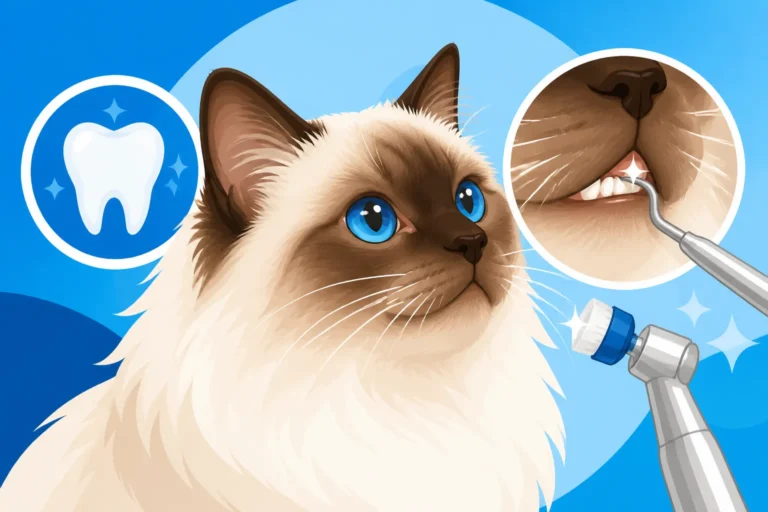
Dental disease is incredibly common in older cats, with many Birmans developing issues in their narrow jaws. Just like humans, senior cats are prone to plaque and tartar buildup, which can lead to gingivitis, periodontal disease, and painful tooth loss. How Dental Disease Progresses in a Birman underscores how insidious this can be.
Regular dental care is not just about fresh breath; it's crucial for their overall health. Bacteria from dental infections can travel through the bloodstream to affect vital organs like the heart, kidneys, and liver. Ideally, you should aim for daily tooth brushing with a pet-specific toothbrush and enzymatic toothpaste (never human toothpaste!). If your Birman isn't accustomed to brushing, start slowly and gently, making it a positive experience with treats and praise.
At their annual (or biannual senior) vet check-ups, your veterinarian will examine your Birman's teeth and gums. They may recommend a professional dental cleaning under anesthesia to remove tartar and address any diseased teeth. While anesthesia always carries a risk, the benefits of preventing severe dental disease in an older cat often outweigh the risks, especially with proper pre-anesthetic blood work and monitoring. If your Birman suddenly seems to be having trouble eating, dropping food, or showing changes in appetite, dental pain should be high on the list of possibilities.
Maintaining Comfort and Mobility for Your Senior Birman
Aging brings changes in mobility and comfort levels for many cats. Your once agile Birman might not jump as high or move as swiftly. Adapting their environment and offering support can make a huge difference in their quality of life.
Creating an Accessible Environment
As Birmans get older, their joints might become stiff, and their energy levels can decrease. The darkening of their points doesn't affect their mobility, but age certainly does. You might notice What an Old Birman Slows Down From First is often a reluctance to jump onto high surfaces. Help them out by making their favorite spots more accessible.
- Ramps and Steps: Provide pet ramps or steps to help them get onto sofas, beds, or window perches. This reduces strain on their joints and allows them to continue enjoying their preferred resting spots without pain.
- Lowered Litter Boxes: Arthritis or joint pain can make it difficult for senior cats to step into high-sided litter boxes. Switch to a litter box with lower entry points to ensure they can relieve themselves comfortably and without accidents.
- Easy-to-Reach Food and Water: Place food and water bowls on the floor or on low risers so they don't have to stretch or climb to access them.
- Cozy Resting Spots: Ensure they have several soft, warm beds in quiet, draft-free areas where they feel safe and secure. Heated beds can be particularly comforting for arthritic joints.
Temperature Regulation for a Less Active Cat
Remember that beautiful, silky single coat of your Birman? While it's lovely, it means A Birman's Single Coat Never Developed a Woolly Layer to keep them extra warm. As cats age, their ability to regulate body temperature can diminish, and a less active senior Birman will generate less body heat. This makes them more susceptible to feeling cold, especially in cooler climates or during winter months.
Ensure your home is kept at a comfortable ambient temperature. Provide plenty of warm, soft bedding in their favorite sleeping spots. Heated pet beds or cozy blankets can offer much-appreciated warmth and soothe aching joints. Avoid placing their beds near drafty windows or doors. If your Birman spends time near a window, ensure there's a warm blanket or a heated pad to prevent chills. Watching Where a Birman Goes When the Heating Goes Off will give you clues to their preferred warm spots.
Recognizing and Managing Arthritis Pain
Arthritis is common in older cats, often going unnoticed due to their stoic nature. Signs of arthritis can be subtle:
- Reluctance to jump or climb.
- Stiffness, especially after resting.
- Difficulty using the litter box.
- Reduced grooming, leading to a dull or matted coat in hard-to-reach areas.
- Changes in temperament (more withdrawn or irritable).
If you suspect your Birman has arthritis, consult your veterinarian. They can diagnose the condition and recommend appropriate pain management strategies. This might include anti-inflammatory medications, joint supplements, physical therapy, or even alternative therapies like acupuncture. Providing an accessible home environment and warm, soft beds are also crucial for managing discomfort. Early recognition and management of pain can significantly improve your Birman's comfort and mobility, helping them enjoy their senior years to the fullest.
Mental and Emotional Well-being of an Aging Birman
Physical changes are just one part of aging. Maintaining your senior Birman's mental and emotional well-being is equally important, especially for a breed known for its gentle and companionable nature.
Maintaining Routine and Reducing Stress
Cats, Birmans especially, thrive on routine. As they age, this need for predictability often becomes even stronger. Sudden changes to their environment, feeding schedule, or daily interactions can be stressful for a senior cat. The darkening of their points doesn't make them more prone to stress, but age can make them less adaptable.
Strive for consistency in their daily life:
- Feeding Times: Stick to regular feeding times. Feeding a Birman That Will Never Beg for It means you'll be the one initiating mealtimes, so consistency helps them anticipate and feel secure.
- Play and Interaction: Maintain regular, albeit gentler, play and cuddle sessions.
- Litter Box Placement: Keep their litter boxes in the same, accessible locations.
- Quiet Environment: Provide a calm and quiet home environment, especially if they're spending more time resting. Minimize loud noises or sudden disruptions.
If you anticipate any major changes, like moving house or introducing a new pet, discuss strategies with your vet to help your senior Birman adapt. Pheromone diffusers (like Feliway) can sometimes help reduce anxiety.
Gentle Play and Interaction
While your senior Birman may not chase toys with the same youthful vigor, they still need mental stimulation and interaction. Play helps keep their minds sharp and their bodies moving, albeit at a slower pace.
- Interactive Toys: Focus on toys that encourage gentle interaction, like feather wands or soft toys that can be batted. Move the wand slowly, letting your Birman "catch" the toy easily to build their confidence.
- Puzzle Feeders: While Birmans may not be as food-motivated as some breeds, a simple puzzle feeder can provide mental engagement during meal times, making them "work" a little for their food.
- Cuddle Time: More than active play, your aging Birman will likely cherish cuddle and petting sessions. These reinforce your bond and provide comfort and security. A Birman Would Rather Be Near You Than On You, so even just sitting quietly next to them is often enough.
Observe their cues during playtime; if they seem tired or uninterested, let them rest. The goal is enjoyment, not exhaustion.
The Importance of Companionship
Birmans are known for being affectionate and sociable cats who thrive on companionship. Why a Birman Needs Company More Than Stimulation is a core aspect of their personality. As they age, and especially if they become less active, their need for your presence can intensify. They might follow you more closely from room to room or seek out your lap or nearby resting spot.
If your Birman is an only cat and you're away for long periods, consider if they might benefit from a gentle, compatible companion animal. However, introducing a new pet to an older cat requires careful consideration and a slow, gradual introduction to avoid stress. Otherwise, simply ensuring you dedicate quality time to them each day, even if it's just quiet companionship, will go a long way in supporting their emotional well-being. A lonely senior Birman can become withdrawn or even develop stress-related health issues.
Regular Vet Checks and Proactive Care
The darkening of your Birman's points is a visual cue of time passing, and that means your veterinary care strategy needs to evolve to a more proactive, preventative approach. The Twelve to Sixteen Years a Birman Usually Gets means you'll have many wonderful years, but vigilance in their senior phase is critical.
Frequency and Scope of Senior Examinations
For adult cats, annual vet check-ups are standard. However, once your Birman reaches around 7-8 years of age (entering their senior years), most veterinarians recommend biannual (twice a year) examinations. Why the increase? Because age-related health issues can progress rapidly, and catching them early can make a significant difference in prognosis and treatment success.
During a senior exam, your vet will perform a comprehensive physical assessment, paying close attention to:
- Weight and Body Condition Score: Tracking changes is crucial for detecting illness.
- Oral Health: Thorough inspection for dental disease.
- Heart and Lung Auscultation: Listening for murmurs, arrhythmias, or respiratory issues.
- Abdominal Palpation: Checking for organ enlargement or masses.
- Joint and Muscle Assessment: Looking for signs of arthritis or muscle loss.
- Eyes and Ears: Checking for cataracts, glaucoma, ear infections, or wax buildup.
This increased frequency allows your vet to establish a baseline of what's "normal" for your aging Birman, making it easier to spot subtle changes that might indicate an underlying problem.
Diagnostic Testing for Early Detection
Beyond the physical exam, senior check-ups typically involve routine diagnostic testing. This proactive screening is invaluable for detecting diseases in their early stages, often before any outward symptoms appear.
- Blood Work: A comprehensive blood panel usually includes a complete blood count (CBC) to check for anemia, infection, and inflammation, and a biochemistry panel to assess organ function (kidneys, liver, pancreas) and electrolyte balance. Which Blood Values a Birman's Kidney History Makes Important highlights the specific focus on kidney indicators.
- Urinalysis: Analyzing a urine sample can provide vital information about kidney function, hydration status, and detect urinary tract infections or diabetes.
- Thyroid Testing (T4): As hyperthyroidism is common in senior cats, a blood test for thyroid hormone levels is often included.
- Blood Pressure Measurement: High blood pressure (hypertension) can be a secondary complication of kidney disease or hyperthyroidism and can lead to eye problems or heart issues.
- Echocardiogram: As discussed earlier, regular heart scans are important, especially for Birmans. The Age a Birman Starts Needing Yearly Heart Checks outlines when to start this regular screening.
These tests are investments in your Birman's long-term health and can save you heartache (and potentially higher vet bills) in the future by allowing for timely intervention.
Partnering with Your Veterinarian
Think of your veterinarian as your most important partner in caring for your aging Birman. Open and honest communication is key.
- Share Observations: You know your cat best. Don't hesitate to share any subtle changes you've noticed in their behavior, appetite, mobility, or litter box habits, no matter how insignificant they might seem.
- Ask Questions: Always ask questions about test results, treatment options, and what to expect as your Birman ages.
- Discuss Quality of Life: As Birmans reach their very advanced years, conversations about their quality of life become important. Your vet can help you assess their comfort and happiness.
Many pet insurance providers, such as Healthy Paws, advocate for strong client-veterinarian relationships, understanding that proactive care and communication are fundamental to extending the healthy lifespan of pets. They often cover many of the diagnostic tests and treatments needed for senior Birmans.
Debunking Myths About Darkened Points
It's easy to jump to conclusions when you notice a significant change in your pet, but when it comes to a Birman's darkening points, most worries are unfounded. Let's clear up some common misconceptions.
Darkening is Not a Sign of Illness
This is the biggest myth to debunk. A Birman's points deepening and becoming richer in color as they age is not a sign of poor health or an underlying disease. It is a completely natural, genetically programmed, and age-related physiological process. Just as humans get gray hair or wrinkles, Birmans deepen their point coloration.
The concern often stems from the fact that color changes can sometimes be indicators of health issues in other animals or even other parts of a cat's body (e.g., changes in gum color). However, with Birman points, it's simply a beautiful and expected part of their maturation and aging. Embrace it as a sign of their many wonderful years with you, rather than a cause for alarm.
It Doesn't Mean They're Not a Purebred Birman
Sometimes, if a Birman's points get very dark, owners might worry that their cat isn't "purebred" or that there's been some mix-up, especially if they have a rare point color like a lilac or chocolate that now appears much darker. This is simply not true. Every Birman carries the same temperature-sensitive gene responsible for their point coloration, and every Birman's points will darken with age to some degree.
The initial shade of their points (seal, blue, chocolate, lilac, red, cream, or tortie) will still be the underlying color, just expressed more intensely. For example, a Blue Point Birman might develop very dark, almost black-grey points, but they will retain the blueish undertone if observed closely in good light. Their pedigree and genetic tests are the definitive proof of their breed, not the depth of their point color. The Birman's genetics are robust, and the deepening of points is part of that heritage.
Point Darkening and Coat Texture Changes
While the darkening of points is normal, it's worth noting that an aging Birman's overall coat texture might change slightly. You might find their coat, especially in the areas of their points, feels a little denser or perhaps even a tiny bit coarser than the incredibly fine, silky texture of their youth. This isn't directly caused by the darkening pigment but is another aspect of the natural aging process for cats.
Their fur might also thin slightly in places, or become more prone to static. This subtle shift in texture can make grooming just a touch different, requiring even softer brushes and a keen eye for any tangles, as discussed earlier. However, the fundamental characteristic of their single coat, meaning No Undercoat Is What Makes a Birman Easy to Groom, remains. These changes in texture are generally minor and don't signal health problems, but they do mean you might need to adjust your grooming routine to keep their coat looking its best.
| Aspect | Young Birman (1-5 years) | Senior Birman (8+ years) |
|---|---|---|
| Point Color | Clear, distinct, true to genetic color | Deeper, richer, often more saturated, can appear darker |
| Coat Texture | Exceptionally silky, flowing, very fine | May be slightly denser, sometimes coarser, still single-coated |
| Activity Level | Playful, moderately active, agile | Slower, less jumping, more rest, prefers gentle play |
| Dietary Needs | Maintenance adult formula, moderate protein | Senior formula, higher digestible protein, joint support |
| Hydration Focus | Important for general health | Critical for kidney health, may need active encouragement |
| Grooming Intensity | Regular combing to prevent tangles | More gentle combing, focus on mat-prone areas, paw cleaning |
| Vet Visits | Annual wellness checks | Biannual (twice yearly) senior checks |
| Health Concerns | Primarily preventative, vaccinations | Vigilance for kidney, thyroid, heart, dental, arthritis |
| Environmental Needs | Play space, perches | Accessible perches, warm beds, lower litter boxes |
Disclaimer
The information provided in this article is for general informational purposes only and is not a substitute for professional veterinary advice. Always consult with a qualified veterinarian for any health concerns or before making any decisions about your Birman's care, diet, or treatment.