How Much a Birman With Gauntlets Costs From a Breeder
It can be so confusing when you're looking for your perfect Birman kitten. You fall in love with photos, maybe even visit a litter, only to hear terms like "mismarked" or "gauntlets" thrown around, often followed by a different price than you expected. You're left wondering what these terms even mean and how they affect the beautiful kitten you've set your heart on. This guide will walk you through exactly what Birman gauntlets are, why they impact a kitten's cost from a breeder, and how to navigate the process of bringing home a truly special, even if uniquely marked, Birman.
Understanding Birman Gauntlets and Their Impact on Price
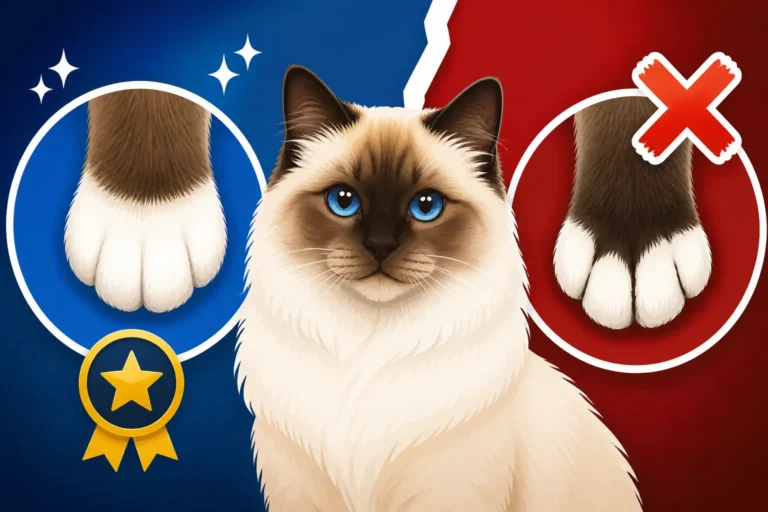
The Birman breed is renowned for its stunning "gloved" paws – pure white on all four feet, ending in an even line on the front paws and ideally tapering to a point (called "laces") on the back paws. It's a signature trait, almost magical, and a huge part of what makes a Birman instantly recognizable. But sometimes, nature has its own ideas, and those pristine white markings don't quite adhere to the strict breed standard. That's where gauntlets come in.
What Exactly Are Gauntlets on a Birman?
Simply put, a "gauntlet" in the Birman world refers to a white marking on the hind leg that extends too high up the leg. Instead of ending in a neat, symmetrical lace or glove, the white fur travels further up, sometimes almost reaching the hock or even higher. Imagine a cat wearing white opera gloves on its back legs instead of elegant little booties. It's not a health issue, not a sign of poor breeding in terms of temperament or vitality, but purely a cosmetic deviation from the breed standard that show judges look for. These markings are part of the complex genetics behind The Gloving Gene Every Birman Carries Two Copies Of.
It's completely understandable to be unfamiliar with such specific breed terminology, especially when you're caught up in the excitement of choosing a kitten. Many new Birman owners only learn about gauntlets when a breeder explains why a particular kitten is priced differently. It's a marking that makes a Birman unique, and while it might not be "show perfect," it doesn't detract from the cat's inherent beauty or the joy it will bring to your home.
The Ideal Birman Glove Standard vs. Gauntlets
To truly grasp what a gauntlet is, it helps to know what the breed standard aims for. For the front paws, the white "gloves" should be absolutely symmetrical and stop at the joint where the paw meets the leg. On the hind paws, the white gloves should extend higher up the hock in a tapering point – these are called "laces" – and again, they should be perfectly symmetrical and end cleanly. Consistency across all four paws is key for a show-quality Birman. What Judges Look For on a Birman's Paws First details this standard even further.
Gauntlets, by contrast, are when these white markings, particularly on the back legs, extend beyond where the "lace" should end, sometimes in an uneven or blotchy fashion. It's a fascinating genetic nuance that even the most experienced breeders grapple with, as Why Perfect Birman Gloves Are Almost Impossible to Breed explains. It’s not about the color itself, which is still the beautiful, pure white we love, but about its placement and extent on the cat's leg. These variations are a natural part of feline genetics, and while they disqualify a cat from the show ring, they often make for incredibly distinctive and charming pets.
Why Gauntlets Affect a Birman's Value
The impact of gauntlets on a Birman's price comes down almost entirely to the strict rules of the show hall and the breeder's dedication to producing cats that meet the breed standard as closely as possible. Kittens born with gauntlets, or any other "mismarkings" such as uneven gloves or "runner's marks" (streaks of white up the leg), are immediately designated as "pet quality." This doesn't mean they are any less healthy, loving, or beautiful in the eyes of an owner; it simply means they cannot compete in championship shows.
For a breeder who invests significant time, money, and effort into health testing parents, showing their breeding stock, and striving for perfection in markings, a kitten with gauntlets represents a deviation from their breeding goals. While still a purebred Birman with all the wonderful traits of the breed, its inability to be shown means it commands a "pet price," which is typically lower than that of a kitten with perfect markings that could go on to be a show cat or even part of a future breeding program. This difference in price reflects the breeder's investment and the kitten's potential for future show success, not its worth as a companion.
The Breeder's Perspective on Gauntlets and Pricing
Breeders pour their hearts and souls into their catteries, carefully selecting lines, ensuring health, and striving for cats that embody the Birman ideal. When a kitten is born with a marking like gauntlets, it's not a failure, but it does mean a different path for that particular cat. Understanding this perspective can help you appreciate the pricing structure and the care that goes into every Birman.
How Breeders Evaluate Gauntlets in a Litter
A reputable Birman breeder will be meticulously evaluating their kittens' markings from a very young age. While a Birman kitten is born almost white, their points and gloves start to develop fairly quickly. By the time they are around eight to twelve weeks old, a breeder can get a very good idea of how the gloves and laces will set. This is a crucial time for assessment, as it helps the breeder decide whether a kitten will be suitable for show, breeding, or a pet home. How a Breeder Judges a Birman Kitten's Gloves is a precise art, requiring a keen eye and extensive experience.
They look at the symmetry, the height of the white, and the crispness of the lines. If the white extends too far up the back legs, forming those "gauntlets," the breeder will note it. They understand that while aesthetically charming, these markings mean the kitten won't meet the show standard. This early evaluation allows them to price the kittens accordingly and to match them with the right type of home – often a loving pet home that values companionship over competition ribbons.
Pet Quality vs. Show Quality: Where Gauntlets Land
This distinction is fundamental in the world of purebred cats. A "show quality" Birman is one that conforms exceptionally well to the breed standard, from its body type and head shape to, crucially, its gloves and laces. These cats are typically reserved for experienced show homes or future breeding programs, and they command a higher price due to their potential to win awards and contribute to the breed's lineage.
A Birman with gauntlets, by definition, falls into the "pet quality" category. This is not a derogatory term. It simply indicates that the cat has a deviation from the perfect breed standard that prevents it from competing in formal shows. However, a pet quality Birman is still a magnificent example of the breed. They possess the same gentle temperament, silky coat, striking blue eyes, and loving personality that Birmans are cherished for. In many ways, they're the same wonderful companion, just with slightly more white on their back legs. The difference in cost primarily reflects the specific market for show animals versus companion animals. Why a Mismarked Birman Is a Pet Price Cat because it doesn't fit the strict judging criteria.
The Ethical Breeder's Approach to Pricing Mismarked Kittens
Ethical breeders are transparent about their pricing and the reasons behind any variations. They will openly discuss a kitten's markings, including gauntlets, and explain why that particular kitten is priced as "pet quality." They don't try to hide imperfections or pass off a mismarked kitten as something it's not. In fact, many breeders are delighted when a kitten with gauntlets finds a loving pet home, knowing it will be cherished for its unique beauty rather than judged against a standard.
When considering a Birman with gauntlets, an ethical breeder will provide a comprehensive contract, often requiring the kitten to be spayed or neutered. This is a common practice for pet-quality animals, ensuring that only cats meeting the highest standards are used for breeding, helping to preserve the integrity and health of the Birman breed. They'll also provide all the necessary health certificates for the parents, ensuring you're bringing home a kitten from a sound genetic background, regardless of its glove markings. Which Certificates a Birman Breeder Hands Over With the Kitten should always include proof of health screenings.
What to Expect When Buying a Birman with Gauntlets
Bringing a Birman into your home is an exciting journey, and understanding the practicalities, including cost and care, will make the transition smoother. A Birman with gauntlets offers all the joy of the breed, often at a slightly more accessible price point.
Pricing Structure for a Birman with Gauntlets
While specific numbers are impossible to provide, a Birman kitten with gauntlets will generally be priced lower than a littermate with perfect show-quality markings. This price reduction is significant, often reflecting the fact that the breeder won't be able to achieve the higher market value associated with a show or breeding animal. Think of it as a beautiful painting with a tiny, charming flaw – it doesn't diminish its beauty or its ability to bring joy, but it might not fetch the same price as a "perfect" piece in an auction.
The exact reduction can vary based on the breeder, the extent of the gauntlets, the overall quality of the kitten (temperament, health, other physical attributes), and even regional demand. It's always a good idea to discuss pricing openly with the breeder and understand what's included in that cost, such as initial vaccinations, deworming, microchipping, and perhaps even a starter pack of food. Many breeders will factor in the costs of genetic testing for conditions like Why a Birman Breeder Still Tests for PKD and HCM screening, which protect the health of your future companion.
| Marking Description | Typical Price Category (Relative) | Show/Breeding Potential |
|---|---|---|
| Perfect Gloves & Laces | Highest | Yes |
| Slightly Uneven Gloves/Laces | High-Mid | Sometimes (Limited) |
| Gauntlets (White Too High on Hind Legs) | Mid-Low | No (Pet Quality) |
| Significant Mismarks (e.g., bare patches, "runners") | Lowest | No (Pet Quality) |
The Purchase Contract and Health Guarantees
When purchasing any purebred kitten, especially one with a specific marking like gauntlets, a detailed purchase contract is absolutely essential. This document should outline the kitten's pedigree, health guarantees, the breeder's responsibilities, and yours as the new owner. For a Birman with gauntlets, the contract will almost certainly stipulate that the kitten is being sold as "pet quality" and must be spayed or neutered by a certain age. This is standard practice to prevent accidental breeding and maintain breed standards.
Beyond the markings, a good contract will include health guarantees. This typically covers genetic health issues and ensures the kitten is healthy at the time of sale. You should receive paperwork detailing the health screenings of the kitten's parents, including results for conditions like HCM. It's crucial to understand what the guarantee covers and for how long. Even with the best breeding practices, unexpected health issues can arise, which is why considering pet insurance from providers like Healthy Paws can offer peace of mind, especially for breeds known for certain predispositions, like cardiac concerns in Birmans.
Long-Term Care Considerations for Your Birman
A Birman with gauntlets requires the same loving care, attention, and nutritional support as any other Birman. Their silky, single coat is easy to groom but still benefits from regular combing to keep it free of tangles and looking its best. You'll want to ensure they have a high-quality diet to support their coat health and overall vitality.
Regular vet check-ups are paramount throughout your Birman's life. From their First Exam Includes Its Heart as a kitten to yearly check-ups, ensuring a long and healthy life is key. As they age, their unique point coloration will deepen, and you might notice What an Ageing Birman Slows Down From. Keeping their white gloves clean, especially if they have a penchant for digging in the litter box, might mean choosing a low-dust, non-staining litter available from retailers like Chewy. The specific markings don't add any extra care burden, just perhaps an extra reason to marvel at their individuality!
Finding Your Perfect Birman, Gauntlets and All
Ultimately, finding your perfect Birman is about connecting with a cat that brings joy to your life. For many, a Birman with gauntlets is an ideal choice, offering the breed's wonderful characteristics with a unique twist, often at a more accessible price.
Questions to Ask a Breeder About Gauntlets
When speaking with a breeder, don't hesitate to ask specific questions about any kitten you're interested in, especially regarding markings. Here are a few examples:
- "Can you show me photos of all four paws and specifically point out the gauntlets you're referring to?"
- "At what age were the gauntlets first noticeable, and have they changed since then?" How a Birman Kitten's Gloves Change as It Grows is a common question.
- "What is your policy for pet-quality kittens with gauntlets regarding spay/neuter contracts?"
- "Are there any other 'mismarks' on this kitten besides the gauntlets?"
- "Does the presence of gauntlets indicate anything about the health or temperament of the kitten?" (The answer should be no, as gauntlets are a cosmetic trait.)
- "What is the full health history of the parents, particularly regarding genetic tests like those for HCM?" What to Ask About a Birman Line's Heart Scans is always important.
An honest and open breeder will welcome these questions and be happy to provide thorough answers, demonstrating their commitment to their cats and to you as a potential owner. They want their kittens to go to the best possible homes, regardless of markings.
Where to Look for Well-Loved Birmans with Minor Flaws
Beyond breeders, sometimes adult Birmans, including retired breeding queens or cats whose owners could no longer care for them, become available through breed-specific rescues or directly from breeders looking to rehome an older cat. These cats often come with established temperaments and a clear understanding of their markings. A retired Birman queen, for example, might be available at a reduced cost and, yes, might have some "mismarks" that prevented her from being a show champion, even if she was an excellent mother. Why a Retired Birman Queen Needs Rehoming is a good article to review if you consider an adult cat.
Online platforms, reputable cat registries' breeder directories, and word-of-mouth recommendations are great starting points. Remember, the goal is to find a healthy, well-socialized Birman from a responsible source. Whether it's a kitten with charming gauntlets or a perfectly marked adult, the love and companionship they offer are truly priceless.
Embracing the Charm of a Uniquely Marked Birman
In my years as a lifestyle blogger and Birman enthusiast, I've seen countless Birmans, each with their own unique quirks and charms. A Birman with gauntlets is no less beautiful or deserving of love than one with prize-winning gloves. In fact, their distinctive markings can become a beloved part of their identity, a little touch of individuality that makes them even more special to you. They will still possess that serene, affectionate nature, the stunning blue eyes, and the plush coat that makes the Birman such an incredible companion.
Instead of seeing gauntlets as a "flaw," consider them a unique identifier, a conversation starter, and a beautiful testament to the natural variation within the breed. Your Birman will love you unconditionally, whether its white paws are perfectly symmetrical or extend a little higher up its hind legs. What truly matters is the bond you build and the loving home you provide.
Disclaimer
This article is for general informational purposes only and does not constitute professional advice. Laws, prices and regulations vary by location and change over time. Consult a qualified professional for guidance on your specific situation.