Why an Adult Birman Comes With Its Gloves Already Judged
You're looking to welcome a Birman cat into your life, and you've probably heard a lot about those exquisite white "gloves" on their paws. It can be a bit confusing trying to understand why these markings are such a big deal, especially when you're considering an adult Birman. This guide is here to unravel the mystery behind the Birman's unique paw markings, explaining why they are so important to the breed standard, how they develop, and what it means for you when choosing an adult companion.
The Unique Birman Gloves and Their Importance
The Birman cat is truly a study in elegance, and nowhere is this more evident than in their distinctive white paws, often referred to as "gloves" or "mittens." These aren't just cute markings; they are a defining characteristic, a badge of honor that sets the Birman apart from other pointed breeds. Understanding these gloves is key to appreciating the breed's history and its carefully maintained standards.
What Exactly Are Birman Gloves?
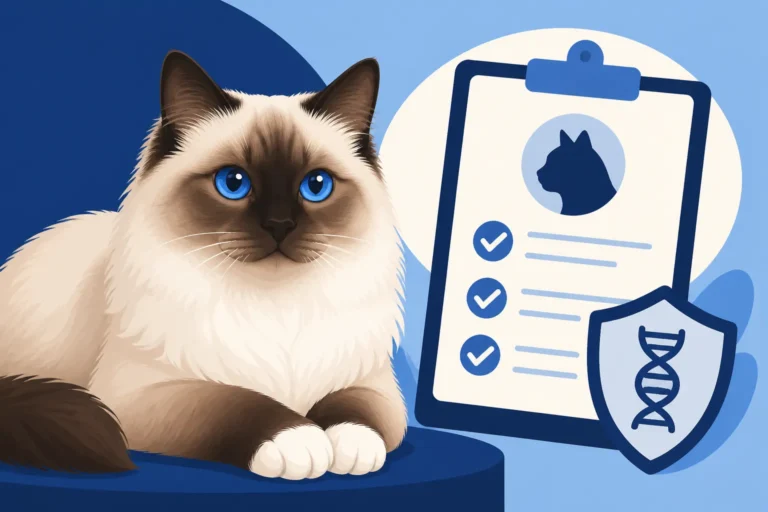
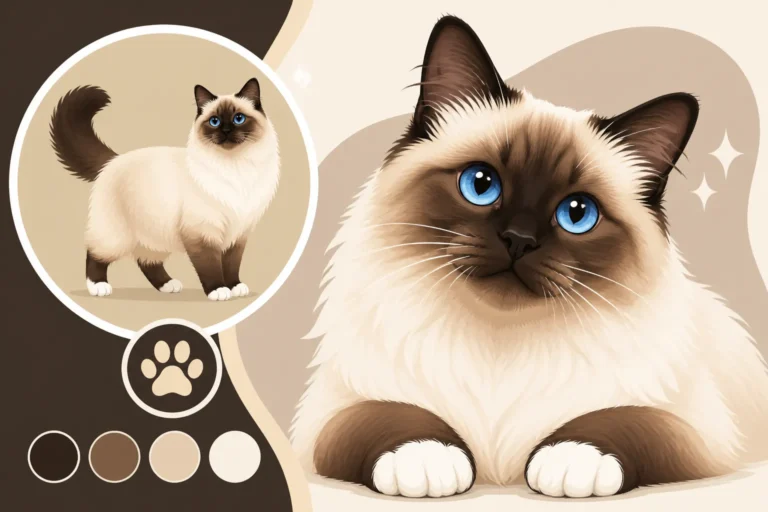
Imagine a cat with beautiful, silky medium-long fur, a pointed coat (meaning darker color on the face, ears, paws, and tail), and striking blue eyes. Now, picture all four of its paws dipped in pure white, as if it's just stepped in fresh snow. That's the Birman glove. These white markings should ideally be perfectly symmetrical on the front paws, ending in a straight line across the top of the paw at the "break" of the toes. On the back paws, the white extends higher up the leg, forming "laces" or "gauntlets" that ideally end in an inverted V-shape on the back of the hock, again, perfectly symmetrical. It's a precise and beautiful set of markings, and honestly, they're what makes a Birman instantly recognizable. The breed's legendary origin story, dating back to ancient temples, attributes these white paws to divine intervention, signifying purity and grace. If you want to dive deeper into that fascinating tale, you can read about The Birman Is the Sacred Cat of Burma, and the Story Is a Legend.
The texture of the fur on these gloves is also important; it should be fine and silky, not coarse or woolly. This single-coat trait, which you can learn more about in No Undercoat Is What Makes a Birman Easy to Groom, is one of the reasons their magnificent fur is less prone to matting than other longhaired breeds, making grooming a bit less of a chore. However, those pristine white gloves do require a little extra attention to keep them looking their best, especially when it comes to litter choices!
Why Gloves are Crucial for Birman Breeders and Standards
For anyone involved in showing or breeding Birmans, the gloves are everything. They are, in many ways, the crown jewel of the breed's appearance, and judges scrutinize them meticulously. In cat shows, points are awarded for various aspects of the Birman standard, and the gloves often account for a significant portion of those points – sometimes as much as 20% or more of the total score. This means that a cat with even a slight imperfection in its gloves might not place as highly as one with perfect markings, even if all other aspects of its appearance are flawless.
This intense focus on glove perfection drives breeding decisions. Breeders dedicate years, sometimes decades, to producing cats that consistently meet these exacting standards. They aim for symmetry, precise lines, and the correct height of the white on both front and back paws. It’s a challenging endeavor, and getting those perfect markings is notoriously difficult, which is why Why Perfect Birman Gloves Are Almost Impossible to Breed is a topic often discussed amongst enthusiasts. This pursuit of perfection is why kittens with ideal gloves are often priced higher, as they represent the pinnacle of the breed's aesthetic and the breeder's success.
The Genetic Dance Behind the Gloves
It might surprise you to learn that every single Birman cat carries two copies of the "gloving gene," also known as the KIT gloving variant. This is a fixed trait within the breed, meaning it's always present. So, you might wonder, if all Birmans have the gene, why do their gloves vary so much? The answer lies in the complex interplay of other "modifier genes" that influence how that primary gloving gene is expressed. Think of it like a recipe: the gloving gene is a core ingredient, but other ingredients (modifier genes) dictate how big the cake is, how much it rises, or what color the frosting turns out.
These modifier genes are what determine the exact shape, height, and symmetry of the white markings. Some cats might have genes that encourage a perfectly straight line on the front paws, while others might have genes that cause the white to run too high up the leg, creating "gauntlets," or to be uneven. It's this genetic variability, despite the presence of the main gloving gene, that makes breeding for perfect gloves such a fascinating and sometimes frustrating challenge. It’s also why Whether a Birman Glove Can Be Bred to Order is a complicated question with no simple "yes" answer. While genetic tests can confirm the presence of the main gloving gene, there isn't a simple test to predict the exact expression of the modifier genes that fine-tune the glove appearance.
The Journey from Kitten Paws to Adult Perfection (or Not!)
One of the most exciting, and sometimes anxious, parts of watching a Birman kitten grow is observing the development of its distinctive markings. What starts as a fuzzy, almost uniformly pale bundle quickly transforms into the elegant, pointed cat we know and love, complete with those iconic white gloves.
Born White: The Birman Kitten's Initial Appearance
It’s true, every Birman kitten is born pure white or a very pale cream. This might seem surprising given their striking adult coloration, but it’s a characteristic shared by all pointed breeds. The gene responsible for their point coloration (darker extremities) is temperature-sensitive. In the warmth of the mother's womb, the pigment doesn't develop, resulting in a uniformly light coat. It's only once they are born and exposed to cooler temperatures that the pigment begins to activate in the cooler parts of their body – their ears, nose, paws, and tail. This is why you'll see those points slowly "come in" as they grow. This unique phenomenon is further explained if you look into Why a Birman Kitten Is Born Almost White.
At this very early stage, the white gloves are almost impossible to discern with any certainty. Their tiny paws might appear slightly lighter, but the definitive glove lines, symmetry, and lace patterns are still a mystery waiting to unfold. This makes the early weeks a period of hopeful anticipation for breeders, as they watch for the subtle hints of what's to come.
The Waiting Game: When Gloves Become Clear
The development of the Birman's points and gloves is a gradual process. You'll start to see the faintest hint of color on their ears and nose within the first few days or weeks, and the point color will slowly deepen over time. The gloves, however, are a bit more elusive. While a skilled breeder might get an early inkling of the potential glove quality, the definitive shape and symmetry typically don't become clear until around 8 to 12 weeks of age. This is often the critical window when a breeder can make a reasonably accurate assessment of a kitten's markings.
Even then, the gloves aren't entirely "finished." While the primary pattern will be set, the depth of color in the points will continue to intensify for the first two to three years of the cat's life, and the gloves themselves can sometimes appear to "settle" or become even more defined. This extended development period is part of why Birman kittens are often sold a little later than other breeds – typically around 13 weeks or even older – to allow for a more accurate assessment of their potential and to ensure they are fully socialized and vaccinated. This commitment to early development is an important part of Why a Birman Kitten Leaves at Thirteen Weeks.
The Unpredictability of Glove Development
Here’s where it gets interesting, and sometimes a little frustrating for breeders: even if both parents have impeccable, show-quality gloves, there's no guarantee that every kitten in a litter will inherit those perfect markings. The modifier genes we talked about earlier mean that glove expression can be incredibly varied, even among littermates. You might have one kitten with perfect, symmetrical gloves and laces, another with a "gauntlet" (where the white runs too high up the back leg), and another with uneven front gloves, or even a missing glove altogether (though this is much rarer for a Birman, given the fixed gloving gene).
This unpredictability means that a breeder might have a litter where only one or two kittens are deemed "show quality" due to their superior markings, while the others are perfectly healthy and lovely Birmans but will be sold as "pet quality" due to their mismarks. This is why Why One Birman Litter Spans Two Thousand Dollars in Price can be a reality. It's a testament to the challenge of breeding to a strict standard and explains why a breeder's experience and discerning eye are so valuable. For you, as a potential owner, it means understanding that "perfect" gloves are a rare and prized commodity.
How Glove Quality Influences an Adult Birman's Price and Purpose
The beautiful white gloves of a Birman cat are more than just an aesthetic detail; they are a significant factor in determining an adult Birman’s price, its suitability for show or breeding, and even its eventual path in life. If you're looking to bring a Birman into your home, understanding this impact is crucial for setting expectations and making an informed decision.
Show Quality vs. Pet Quality: The Price Divide
This is where the rubber meets the road when it comes to Birman pricing. A "show quality" Birman is one whose gloves, along with its overall conformation, head type, eye color, and point coloration, adhere very closely to the breed standard. These cats are destined for the show ring, and their perfect markings are a testament to careful breeding. Naturally, they command a premium price, sometimes significantly more than a pet-quality kitten. This higher price reflects not only the cat's potential to win titles but also the immense effort, expense, and expertise the breeder has invested in producing such a fine example of the breed.
On the other hand, "pet quality" Birmans are those that have minor deviations from the ideal glove standard. These could be slight asymmetries, a lace that runs a little too high or low, or perhaps a small spot of color on a white glove. Crucially, these mismarks do not affect the cat's health, temperament, or its ability to be a loving companion in any way. They are simply aesthetic differences that disqualify the cat from being competitive in the show ring. As a result, pet-quality Birmans are typically more affordable, making them a fantastic option for families who want a healthy, well-socialized Birman without the premium price tag associated with show ring perfection. This is why Why a Mismarked Birman Is a Pet Price Cat is an important concept for potential owners to grasp.
Understanding Mismarks: Gauntlets, Laces, and Unevenness
Let's break down some common mismarks you might hear about:
- Gauntlets: This occurs when the white "lace" on the back paws extends too high up the leg, past the hock, sometimes reaching the knee. While still white, it deviates from the inverted V-shape that is desired. Why a Birman With Gauntlets Cannot Be Shown is primarily because this is considered a significant fault in the breed standard.
- Uneven Gloves/Laces: Ideally, the white gloves on the front paws should be perfectly symmetrical, ending at the same height on both paws. Similarly, the "laces" on the back paws should be even in height and shape. Any noticeable asymmetry would be considered a mismark.
- Color Spots on Gloves: Sometimes, a small spot of point color (e.g., seal, blue, chocolate) might appear within the white glove area. This is also considered a fault.
- Absence of Gloves: While extremely rare in purebred Birmans due to the fixed gloving gene, a kitten might have insufficient white on its paws. A Birman without gloves would not be registrable or recognized as a true Birman.
These mismarks are purely cosmetic. A Birman with gauntlets or uneven gloves is still 100% Birman in personality, health, and charm. They will still possess that wonderful placid temperament and love for human companionship that the breed is known for. The difference truly only matters in the highly specialized world of cat shows.
The Ethical Breeder's Approach to Pricing
An ethical Birman breeder prioritizes the health and welfare of their cats above all else. Their pricing structure reflects the significant investment they make in their breeding program, including:
- Health Testing: Comprehensive genetic testing for diseases like FOXN1 Is the Birman's Own Genetic Disease and Why a Birman Breeder Still Tests for PKD, as well as regular cardiac screening for HCM, which has no DNA test but only an echo, as discussed in HCM in a Birman Has No DNA Test, Only an Echo.
- Quality Care: Providing top-notch nutrition, veterinary care, and a stimulating environment for their breeding cats and kittens.
- Pedigree and Registration: Maintaining accurate pedigrees and registering their litters with reputable cat associations.
- Socialization: Spending countless hours socializing kittens to ensure they are confident, friendly, and well-adjusted.
When an ethical breeder prices kittens, they assess the glove quality (and other traits) to determine if a kitten is suitable for show/breeding or if it will be a beloved pet. They will be transparent about any mismarks and will often sell pet-quality kittens on a spay/neuter contract to ensure they don't contribute to breeding programs without meeting the high standards. This transparency is a hallmark of a reputable breeder.
What to Expect When Adopting or Buying an Adult Birman
Deciding to bring an adult Birman into your home can be a wonderfully rewarding experience. Unlike kittens, an adult cat's personality and appearance are fully developed, offering a clear picture of the companion you'll be welcoming. When it comes to their defining white gloves, this clarity is a distinct advantage.
Why an Adult's Gloves Are Already Settled
One of the biggest uncertainties when choosing a Birman kitten is the final appearance of its gloves. As we've discussed, these markings develop over time, and while breeders can make educated guesses, minor changes can occur as the kitten matures. By the time a Birman reaches adulthood – typically around one to two years old, though they can continue to fill out in body and coat until three – their point coloration and, crucially, their white gloves are fully developed and stable.
This means there's no more waiting game, no more guessing if that tiny spot of color will fade or if those laces will even out. What you see is exactly what you get. This predictability is a huge benefit for potential owners, especially if specific glove markings are important to them, or if they are considering a cat for a specific purpose where aesthetics are key. You can immediately judge the symmetry, the height of the white, and the crispness of the lines. This is the essence of Why an Adult Birman Comes With Its Gloves Already Judged.
The Advantage of Seeing Finished Gloves
When you purchase an adult Birman, you eliminate the "surprise factor" often associated with kitten development. This offers several distinct advantages:
- Clear Expectations: You know exactly what the cat's markings look like, removing any guesswork. There's no need to wonder if the gloves will meet your expectations or if a subtle mismark will become more pronounced.
- Show Potential (if applicable): If you're looking for an adult Birman for showing, its finished gloves make it easy to assess its conformity to the breed standard. A cat that has already competed successfully is a known quantity.
- No "What Ifs" for Pet Owners: For pet owners, it means you can fall in love with a cat based on its current appearance, rather than a hopeful projection. If you prefer a Birman with perfectly symmetrical gloves, you can choose one with confidence that they won't change. Conversely, if a slight mismark doesn't bother you, you can embrace that cat knowing it will remain as it is.
This clarity extends beyond just the gloves; an adult Birman's personality is also well-established, offering insights into their temperament, whether they are a "lap cat" or prefer to be nearby, and how they interact with people and other pets. This is another reason why adult Birmans can be such a wonderful choice.
Health and Temperament: Beyond the Gloves
While the gloves are undeniably a striking feature, it's absolutely crucial to remember that they are just one aspect of a Birman's overall quality. When choosing an adult Birman, whether from a breeder or a rescue, prioritize health and temperament above all else. A cat with perfect gloves but underlying health issues or a poor temperament will not bring joy in the long run.
Always inquire about the cat's full health history. This should include:
- Vaccination records: Ensuring they are up to date on all necessary immunizations.
- Spay/Neuter status: Most adult Birmans, especially pet-quality ones or retired breeders, will already be spayed or neutered.
- Genetic Testing: Ask for documentation of genetic tests for FOXN1 and PKD. Even if the cat itself is clear, knowing its lineage's status provides valuable information. You should specifically ask to see proof of these tests, as knowing Which Lab Runs the Birman FOXN1 Test and How the PKD1 Test Clears a Birman can help verify the results.
- Cardiac Screening: For adult Birmans, especially those over the age of two or three, inquire about echocardiogram screenings for Hypertrophic Cardiomyopathy (HCM). As mentioned earlier, there's no DNA test for HCM in Birmans, so regular echo scans are the gold standard for screening. Understanding How Often a Breeding Birman Needs Scanning will give you an idea of a responsible breeder's practices.
- Behavioral History: Ask about their socialization, how they react to strangers, children, and other pets, and any specific quirks or habits they might have. Remember, Why a Placid Birman Hides Pain means you need to be observant of any subtle changes.
A reputable breeder or rescue organization will be completely transparent about these aspects and will happily share all relevant documentation. They want their cats to go to loving, informed homes.
Finding an Adult Birman: Breeders, Rescues, and Considerations
So, you’ve decided an adult Birman is the right fit for you. That’s wonderful! Now comes the exciting part: finding your new companion. There are a couple of primary avenues for finding adult Birmans, each with its own set of considerations and benefits.
Reputable Breeders and Retired Queens
One excellent source for adult Birmans is often a reputable breeder. Breeders sometimes have "retired queens" or "retired studs" that are looking for their forever homes. These are cats that have finished their breeding careers and are ready to enjoy a quieter life as beloved pets. There are several benefits to adopting a retired breeding cat:
- Known Lineage and Health: These cats come from well-documented lines, with extensive health testing records (including those crucial echo scans for HCM, and genetic tests for FOXN1 and PKD). The breeder will be able to provide a full history of the cat's health, temperament, and any specific needs. You can learn more about verifying this in How to Verify a Birman's Test Certificates.
- Established Temperament: Their personalities are fully developed. You'll know if you're getting a cuddly lap cat or one that prefers to supervise from a comfortable perch nearby. Breeders usually have a very good handle on each cat's individual quirks.
- Often Well-Socialized: Retired breeding cats have typically lived in a home environment, are used to human interaction, and are often well-socialized to other cats and sometimes dogs.
- Potentially Lower Cost: While still coming from a reputable source, a retired breeding cat is usually priced lower than a kitten, making them a more accessible option for some families. How Much a Retired Birman Queen Costs can vary, but it's generally a fraction of a show kitten's price.
- Gorgeous Markings: Many retired breeding cats will have excellent markings, as they were chosen for breeding partly because they met the breed standard so well. Their gloves will be perfectly judged and set.
When considering a retired queen or stud, ask the breeder about their transition to pet life, their energy levels, and any specific routine they are used to.
Birman Rescues: A Chance for a Second Life
Another incredibly rewarding way to find an adult Birman is through breed-specific rescue organizations or general cat rescues. Sadly, Birmans sometimes find themselves in need of new homes due to owner circumstances changing (moves, allergies, financial difficulties) or, occasionally, due to being rehomed by less scrupulous breeders who don't want to keep a cat with "mismarks" that can't be shown. This is why Why Mismarked Birmans End Up in Rescue First can be a sad reality, but it offers a wonderful opportunity for you to give a deserving cat a loving home.
Benefits of adopting from a rescue:
- Saving a Life: You're giving a second chance to a cat that truly needs a home.
- Lower Adoption Fees: Rescue fees are generally much lower than purchasing from a breeder, though they still help cover the cost of veterinary care, food, and shelter.
- Health Checks: Reputable rescues will have thoroughly vetted the cat, including a full veterinary check-up, spay/neuter, vaccinations, and often even some basic health screenings.
- Known Temperament: Rescue organizations spend time with their cats, allowing them to assess personalities and match cats with appropriate homes.
When contacting a rescue, be prepared for an application process. Rescues want to ensure their cats go to permanent, loving homes. Ask about the cat's background, why it came into rescue, and any known health or behavioral issues. Remember, a rescue Birman, regardless of its previous life, still deserves the best care, and you should consider getting its heart checked, as discussed in Why a Rescue Birman Should Have Its Heart Checked.
Questions to Ask About an Adult Birman's History
Regardless of whether you're adopting from a breeder or a rescue, asking detailed questions about the adult Birman's history is paramount. Don't be shy; a good caregiver will appreciate your thoroughness.
Here's a checklist of questions:
- Age and Health History: What is the cat's exact age? Can I see full veterinary records, including vaccination history, any past illnesses, surgeries, or medications?
- Diet and Routine: What food does the cat currently eat (brand, type, wet/dry)? What is its daily feeding schedule? Does it have any dietary sensitivities? What is its litter box routine?
- Temperament and Personality: How would you describe the cat's personality? Is it shy, outgoing, playful, calm? How does it interact with strangers, children, and other pets (dogs, cats)? Does it have any fears or anxieties? Does it like to be held or does it prefer to be near you? You might find Why a Birman Follows You Without Demanding Anything to be a good read for understanding typical Birman behavior.
- Grooming History: How often does it need grooming? Does it tolerate brushing, nail trims, ear cleaning? (This is especially important for maintaining those white gloves and its beautiful coat!)
- Living Environment: Has the cat always been an indoor cat? Is it accustomed to a busy household or a quiet one? Does it have any destructive habits?
- Reason for Rehoming: Understanding the circumstances behind the cat needing a new home can provide valuable context.
- Health Testing Documentation: Request copies of all health certificates, including genetic tests (FOXN1, PKD1) and cardiac screenings (echocardiograms for HCM), if applicable to its breeding history. This ensures you’re not overlooking any potential issues, especially since What Kills a Birman Whose Line Was Never Echo Scanned can be a serious concern.
- Previous Name: What is the cat's current name? Knowing this can help with the transition.
Asking these questions demonstrates your commitment to providing a loving home and helps ensure you choose a Birman that will thrive in your specific living situation.
Living with a Gloved Companion: Care and Considerations
Bringing an adult Birman into your home is a joyous occasion. Now that you understand the significance of their gloves and how to find a healthy, well-adjusted cat, let's talk about the practicalities of caring for your new, elegant companion.
Keeping Those White Gloves Pristine
Those beautiful white gloves are one of the Birman's most striking features, but they do require a little extra attention to keep them looking their best. White fur, especially on paws that are constantly walking and using a litter box, can be prone to staining or discoloration.
- Litter Choice is Key: This is probably the most crucial factor. Opt for a high-quality, dust-free, and non-clumping litter, or one made from paper or wood pellets that won't leave residue or dark dust on their white paws. Clay litters, particularly dusty or dark ones, can quickly turn white gloves a dingy gray or yellow. Using a litter that minimizes tracking can also help. Brands like Dr. Elsey's Precious Cat Litter or some paper-based options often work well. If you want to dive deeper into this, check out Which Litter Suits a White Gloved Cat.
- Regular Grooming: While Birmans have a single coat that is less prone to matting than many other longhairs, regular combing (two to three times a week) is still essential. This helps remove loose hairs and prevents any small tangles from forming, particularly around the "ruff" and "britches." For the white paws, a quick daily wipe with a damp, pet-safe cloth can prevent stains from setting in. This regular care, outlined in Combing a Birman Three Times a Week, extends to all areas of their beautiful coat.
- Occasional Paw Baths: If the gloves do get particularly dirty, a gentle, pet-specific shampoo designed for white coats can be used for a quick paw bath. Make sure to rinse thoroughly to avoid skin irritation. However, full baths are rarely necessary for Birmans.
Nutritional Needs for a Healthy Coat
A Birman's diet plays a direct role in the health and luster of its silky coat, including those brilliant white gloves. High-quality nutrition ensures that their fur remains soft, sheds minimally, and is less prone to dryness or breakage.
- High-Quality Protein: Ensure your Birman's diet contains a good source of animal-based protein. This is essential for maintaining strong hair follicles and a thick, healthy coat. Brands like Chewy often carry a wide range of premium cat foods that meet these requirements, with detailed nutritional information.
- Omega Fatty Acids: Look for foods rich in Omega-3 and Omega-6 fatty acids (like those found in fish oil). These are vital for skin health and a shiny coat. Some owners even supplement their cat's diet with a small amount of fish oil if their food doesn't provide enough.
- Adequate Hydration: Birmans, like all cats, benefit greatly from a diet that includes wet food. Increased moisture intake supports overall health, kidney function (which is important given the breed's historical links to PKD), and helps keep skin hydrated, contributing to a healthy coat. Fresh food options can be excellent choices for providing high moisture content and quality ingredients.
- Measured Meals: Birmans are not typically prone to overeating, but it's always best to offer measured meals twice a day rather than free-feeding. This helps manage weight and ensures they get all the necessary nutrients without overindulging. This habit, discussed in Feeding a Birman That Will Never Beg for It, is good for their long-term health.
Long-term Health and the Importance of Veterinary Care
Even if your adult Birman comes with a clean bill of health and impeccable gloves, lifelong veterinary care is non-negotiable. Regular check-ups are essential for detecting any health issues early, which is particularly important for a breed that can be stoic about pain.
- Annual Vet Visits: Schedule yearly wellness exams. Your vet will check their teeth (Birmans can be prone to dental disease due to their narrow jaws), listen to their heart, palpate their abdomen, and check their weight. For older Birmans, a yearly panel should include more extensive checks. Learn about What an Ageing Birman Slows Down From to understand what to watch for in their senior years.
- Dental Care: Implement a dental hygiene routine at home, which can be challenging with a cat but is vital. Brushing their teeth regularly can help prevent plaque buildup and gum disease. If home care isn't enough, professional dental cleanings under anesthesia might be recommended by your vet. You can get tips from Getting a Toothbrush Into a Birman's Narrow Jaw.
- Heart Monitoring: Due to the breed's predisposition to HCM, regular heart checks (auscultation by your vet, and potentially follow-up echocardiograms) are a good idea, especially as they age. Your vet might recommend an echo scan every few years, even for a pet Birman, depending on its lineage and physical exam findings.
- Consider Pet Insurance: Investing in pet insurance, from providers like Healthy Paws, can be a wise decision. It helps cover unexpected veterinary costs from accidents or illnesses throughout your Birman's life, providing peace of mind and ensuring you can always afford the best care for your beloved companion. It’s particularly important to consider early, before any pre-existing conditions might be noted, as this could impact coverage later.
By providing excellent care, a balanced diet, and consistent veterinary attention, you're setting your adult Birman up for a long, healthy, and happy life, allowing those beautiful gloves to truly shine.
Disclaimer
This article is for general informational purposes only and does not constitute professional advice. Laws, prices and regulations vary by location and change over time. Consult a qualified professional for guidance on your specific situation.